
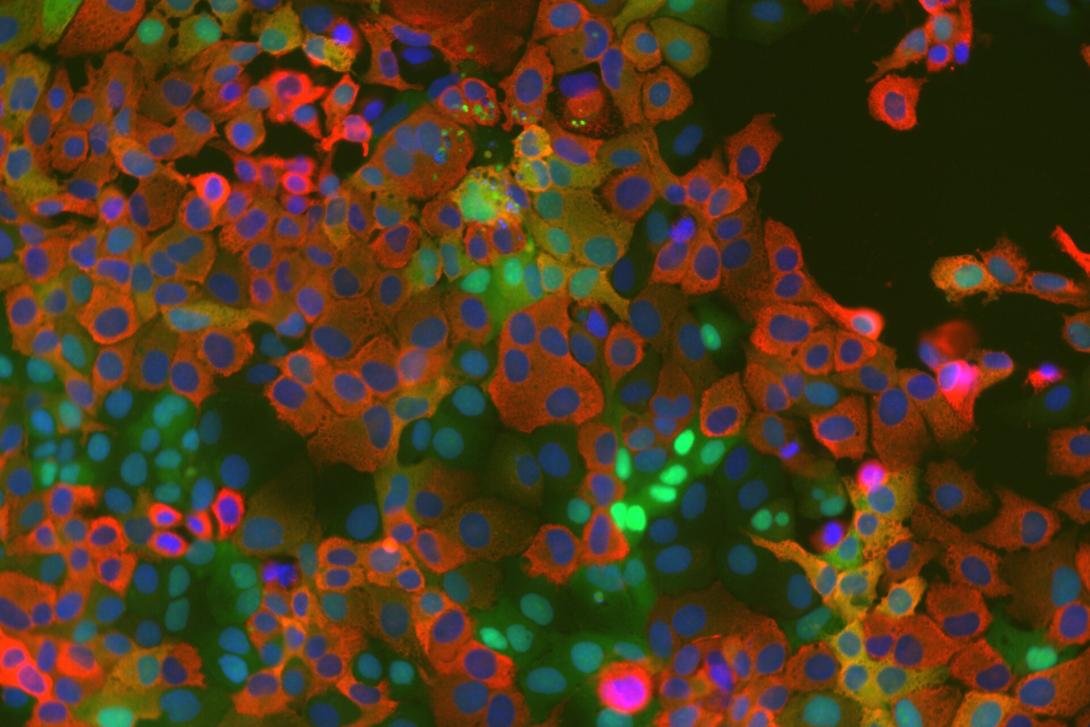
Host Cell Signaling Pathway Identified as Potential Antiviral Target for Coronaviruses
Bochum, Germany – November 7, 2025 – Researchers at Ruhr university bochum have pinpointed a key host cell signaling pathway – the JNK (c-Jun N-terminal kinase) pathway - that both HCoV-229E and SARS-cov-2 exploit during infection, opening new avenues for antiviral drug development. The finding, published today in npj Viruses, demonstrates that inhibiting JNK significantly reduces the proliferation of both viruses.
This finding is particularly important given the ongoing threat posed by coronaviruses,including the potential for future variants and outbreaks. While vaccines remain crucial, identifying and targeting host factors essential for viral replication offers a complementary strategy to combat these infections. Disrupting the JNK pathway could potentially provide broad-spectrum antiviral activity, effective against multiple coronaviruses, and less susceptible to viral mutations than drugs targeting the virus itself.The research suggests that the JNK pathway regulates phosphorylation of the nucleocapsid protein in HCoV-229E, a process critical for viral replication.
The breakthrough originated from the LAC Young Scientist Imaging Assay Jumpstarter Contest, which provided the Bochum team wiht access to advanced live cell microscopy. This technology enabled the researchers to conduct the critical experiments that revealed the JNK pathway’s role.
The study, led by yannik Brüggemann and colleagues, details how JNK kinase influences the infection process. Their work, available via DOI: 10.1038/s44298-025-00152-7, provides a foundation for future investigations aimed at developing JNK inhibitors as potential antiviral therapeutics. Further research will focus on refining these inhibitors and evaluating their efficacy and safety in preclinical models.
