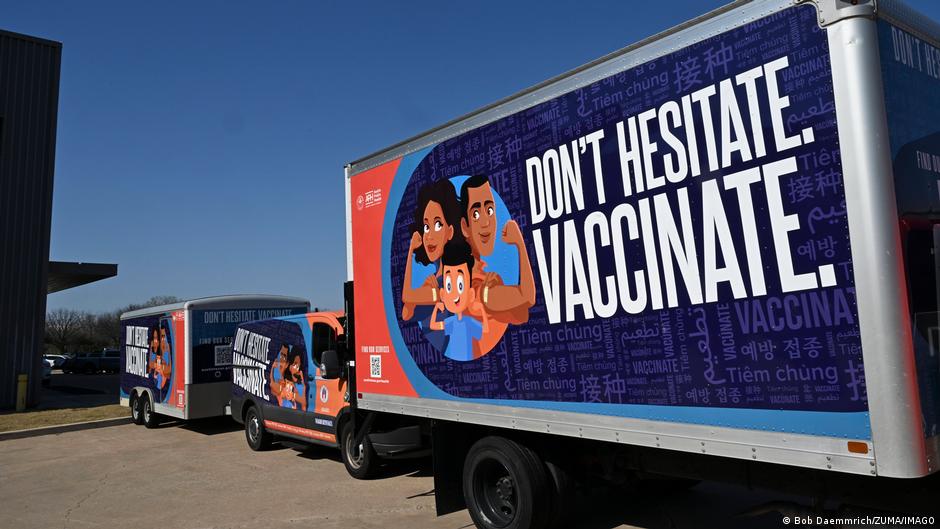
New York declares state of emergency after 108 measles cases
Nadie debería enfermar gravemente ni morir a causa de una enfermedad prevenible mediante vacunación. Por eso he tomado medidas para aumentar el número de profesionales de la salud que pueden vacunar y realizar pruebas. Estas medidas de emergencia protegerán a los neoyorquinos,
declaró la gobernadora de Nueva York, Kathy Hochul, según dw.com, al anunciar la declaración de emergencia estatal este 5 de octubre de 2026 debido a un creciente brote de sarampión que ha llevado a Estados Unidos a registrar su peor año para la enfermedad desde 1991.
- New York declared a state emergency on October 5, 2026, following 108 confirmed measles cases across the state this year.
- Pennsylvania surpassed 1,000 measles cases, recording nearly 200 hospitalizations and five deaths.
- Federal data from the Centers for Disease Control and Prevention indicates that nationwide measles cases have reached nearly 3,900 in 2026, driven by childhood vaccination coverage falling below the 95% threshold required to maintain community immunity.
State of Emergency Declared in New York Following 108 Cases
New York State officials confirmed 108 measles cases statewide by October 3, 2026, with 7 cases located in New York City and 101 distributed across other counties, according to dw.com. The state response includes an executive order issued by Governor Kathy Hochul that broadens the scope of personnel legally authorized to administer the measles vaccine. Pharmacists and midwives can now deliver immunizations and request diagnostic testing for the virus under the emergency directive. The executive order requires all vaccinations for measles, mumps, and rubella to be logged into state or municipal registries within 72 hours, while permitting nurses to request diagnostic testing and allowing pharmacists to vaccinate children aged two and older.

Pennsylvania Outbreak Surpasses One Thousand Infections and Five Deaths
While New York instituted emergency measures for its rising case counts, the state of Pennsylvania reported surpassing 1,000 total measles cases since an outbreak began in late April, per dw.com. The Pennsylvania outbreak has resulted in 1,004 confirmed cases across 39 counties, with 198 hospitalizations and five deaths. State health authorities in Pennsylvania reported that less than 1% of all infected individuals had received the complete two-dose vaccination regimen. In response, Pennsylvania health services deployed temporary clinics, administering more than 5,700 MMR vaccine doses in 192 community settings, pushing total state-supplied doses past 8,800 for the year.
Decline in Childhood Immunization Rates Drives National Public Health Crisis
Nationally, the Centers for Disease Control and Prevention tracked nearly 3,900 measles cases across the United States in 2026, following significant outbreaks in states such as Texas, Utah, and South Carolina, which logged 997 cases. Federal health agencies state that the United States achieved measles elimination status in 2000 because of high vaccination rates. However, current national coverage among children has dropped below the critical 95% threshold necessary to interrupt sustained viral transmission.
New York Expands Access to Free Immunization Services
Public health departments across affected regions have activated expanded outreach to provide accessible immunization services. New York residents seeking vaccination options can utilize state health department hotlines or visit public walk-in immunization sites, such as the Fort Greene Immunization Clinic in New York City. Eligible children continue to receive pediatric vaccines, including the measles, mumps, and rubella (MMR) dose, at no cost through the Vaccines for Children program. New York Medicaid covers pharmacist-administered MMR vaccinations without copays for qualified participants, and Pennsylvania authorities reported that community vaccination interest doubled in August and September, with monthly administrations reaching roughly 50,000 doses.
Disclaimer: The information provided in this article is for educational and scientific communication purposes only and does not constitute medical advice. Always consult with a qualified healthcare provider regarding any medical condition, diagnosis, or treatment plan.
