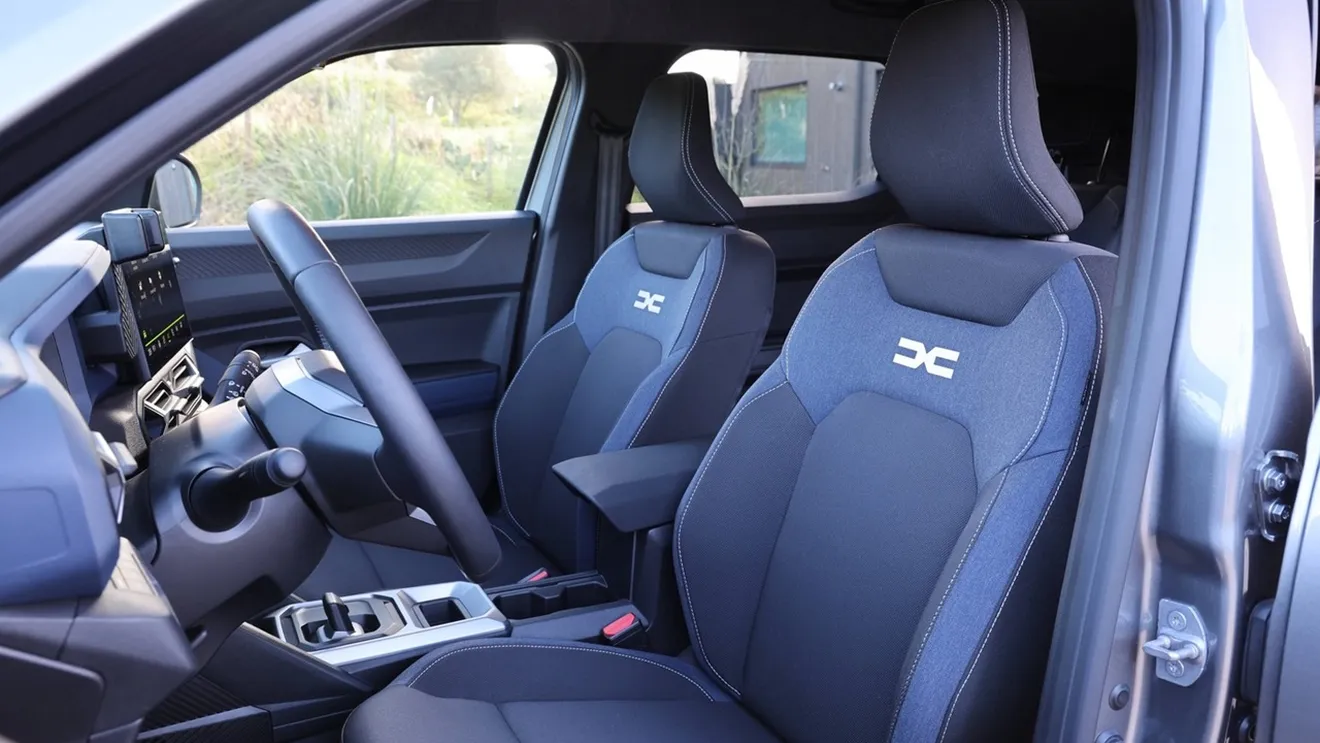
New vs. Used Dacia Duster: Which Is the Better Value?
Italian consumers are currently weighing a €10,000 premium for the new Dacia Duster (€25,000) against the utility of previous-generation models priced at €15,000. This pricing tension signals a critical inflection point for the “value” automotive segment, where escalating production costs are colliding with consumer liquidity constraints and shifting residual value expectations.
The dilemma isn’t merely a consumer choice; it is a case study in price elasticity. When a budget-oriented brand pushes its entry-level SUV toward the €25,000 threshold, it risks alienating its core demographic while entering a hyper-competitive mid-market bracket. For corporate entities managing large-scale transport assets, this price jump transforms a simple procurement decision into a complex capital expenditure (CAPEX) problem.
Enterprises are now forced to recalculate the total cost of ownership (TCO) across their portfolios. As the entry price for new assets climbs, many are pivoting toward enterprise fleet management firms to determine whether the marginal utility of new technology justifies the increased debt service or cash outlay.
The Erosion of the Budget Moat
Dacia has long operated on a lean cost structure, leveraging shared platforms from its parent company, Renault. However, the shift toward hybridization and stricter Euro-emission standards has forced a fundamental repricing of the “affordable” SUV. The €10,000 delta between the new and old generations represents more than just updated aesthetics; it reflects the embedded cost of regulatory compliance and powertrain evolution.
From a balance sheet perspective, the previous generation at €15,000 offers a significantly lower depreciation curve. A buyer entering the market at that price point is essentially buying an asset that has already weathered its steepest value drop.
The new model, conversely, carries the “new car” depreciation hit. For a business, this creates a tax efficiency conflict. Procurement officers are increasingly consulting with corporate tax specialists to optimize depreciation schedules and leasing structures to offset these higher initial costs.
“The transition from ‘budget’ to ‘value-plus’ is a dangerous game for manufacturers. Once you cross a psychological pricing threshold, you are no longer competing on price, but on perceived prestige and feature density.”
Three Macro Drivers Reshaping the Value Segment
The Italian market’s hesitation reflects three broader economic shifts currently impacting the European automotive landscape:

- The Hybridization CAPEX Trap: The integration of hybrid powertrains increases the bill of materials (BOM). While these systems improve fuel efficiency, the upfront cost is shifted to the consumer, pushing the “budget” car into a price bracket where buyers expect luxury finishes and advanced ADAS (Advanced Driver Assistance Systems).
- Secondary Market Liquidity: The surge in demand for used vehicles has inflated the price of previous-generation models. When a used Duster holds its value at €15,000, the relative incentive to upgrade to a €25,000 model diminishes, creating a stagnant inventory of new units.
- Supply Chain Inflation: Raw material volatility—specifically in steel and semiconductor procurement—has eliminated the “ultra-cheap” manufacturing window. Manufacturers can no longer absorb these costs, leading to the “price creep” observed in the Duster’s latest iteration.
This is a liquidity squeeze.
When the gap between a functional used asset and a premium new asset narrows in terms of utility but widens in terms of cost, the rational economic actor chooses the legacy asset. This trend is creating a bottleneck for manufacturers who have scaled production for new models but are facing a consumer base that is fiscally exhausted.
The Renault Group Strategic Pivot
To understand the Duster’s pricing, one must look at the Renault Group Investor Relations data. The group has been aggressively pursuing a “Value over Volume” strategy. By increasing the average selling price (ASP) of its vehicles, Renault aims to protect its operating margins against the massive R&D costs associated with the transition to electric vehicles (EVs).
This strategy effectively uses Dacia as a margin buffer. By pushing the Duster toward a €25,000 price point, Renault can capture more profit per unit, which is then reinvested into the Ampere EV division. However, this creates a friction point at the dealership level, where the “budget” brand identity is being stretched to its limit.

For B2B players in the logistics space, this shift necessitates a rethink of supply chain resilience. Companies are now engaging supply chain optimization consultants to mitigate the rising cost of last-mile delivery fleets, as the cost of replacing aging vehicles has risen by nearly 60% in some segments.
The market is currently in a state of price discovery. The “Italian answer”—favoring the €15,000 legacy model—suggests that the ceiling for the budget SUV is lower than manufacturers hoped.
As the industry moves toward 2027, the winners will not be those who can build the cheapest car, but those who can manage the residual value of their fleet most effectively. The Duster’s pricing war is a harbinger of a wider market correction where utility must once again trump novelty. For firms looking to navigate these volatile asset cycles, finding vetted partners through the World Today News Directory remains the most pragmatic hedge against market instability.