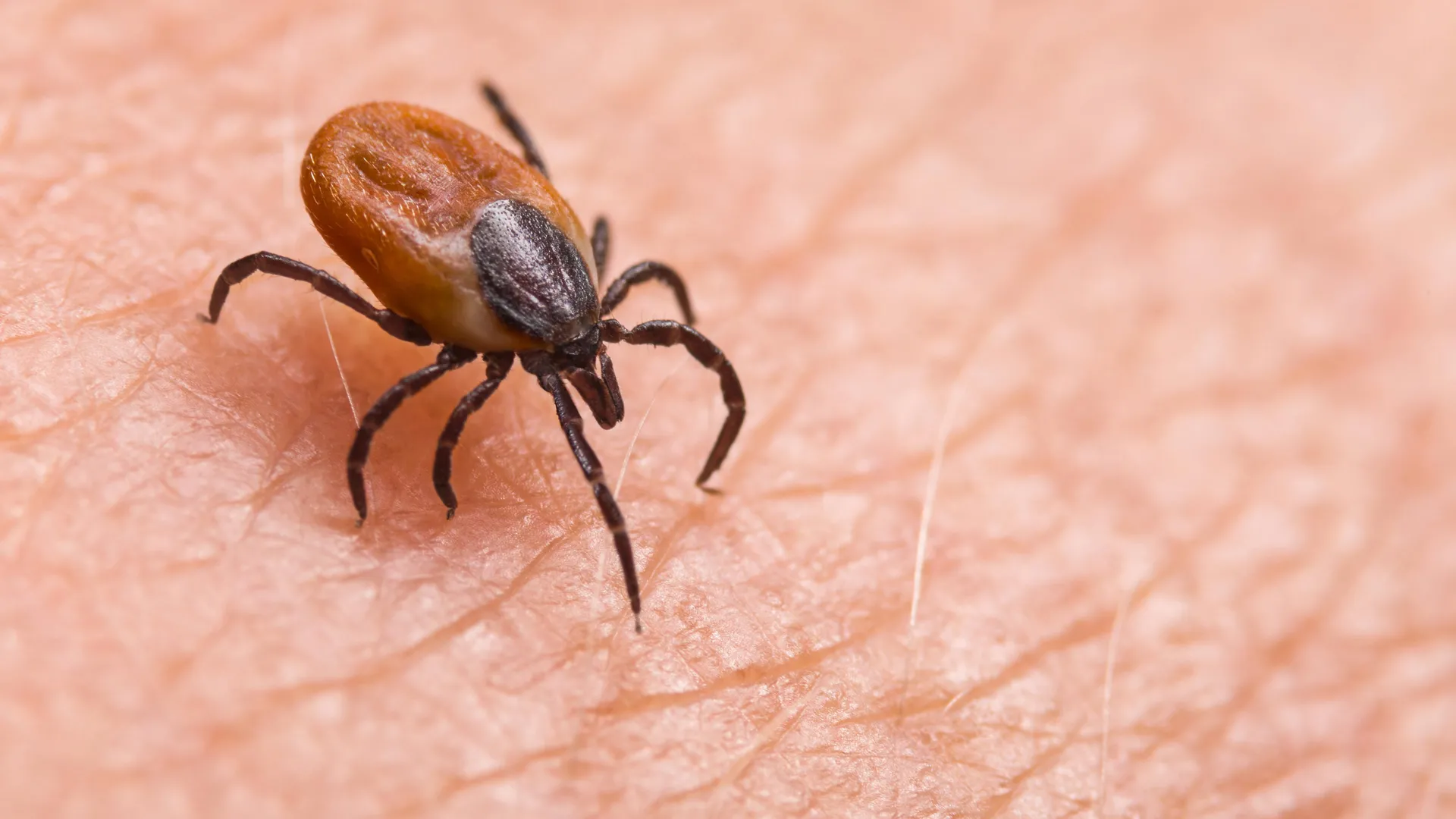
New Tick-Borne Virus ALTNV Discovered in China
Researchers in China have discovered a previously uncharacterized orthonairovirus, designated as Asian longhorned tick nairovirus (ALTNV), that triggers a febrile illness frequently misdiagnosed as Dabie bandavirus infection. Published in the New England Journal of Medicine, the finding emerged from an investigation into why roughly 30% of patients presenting with hemorrhagic fever symptoms test negative for known tick-borne pathogens.
Key Clinical Takeaways:
- ALTNV is a newly identified tick-borne orthonairovirus discovered through RNA sequencing of patient and tick samples in China.
- The pathogen infected 10.4% of a 3,163-patient cohort, presenting primarily with fatigue, gastrointestinal distress, and thrombocytopenia.
- Coinfections involving both ALTNV and Dabie bandavirus produced significantly higher rates of respiratory symptoms, kidney impairment, and mortality.
Uncovering the Etiology of Unexplained Tick Illness
The investigation was spearheaded by researchers at the State Key Laboratory of Pathogen and Biosecurity in Beijing. The team sought to clarify the clinical drivers behind unexplained cases resembling Dabie bandavirus (DBV), which causes severe fever with thrombocytopenia syndrome (SFTS). SFTS carries a documented case-fatality rate ranging from 10% to 30%, characterized by dangerously depleted blood platelet counts necessary for proper clotting. Given that the World Health Organization classifies DBV as a research-priority pathogen, investigators collected clinical samples from patients bitten by ticks at sentinel hospitals across endemic regions in China.
Utilizing viral isolation and RNA sequencing, the research team identified the distinct genetic signature of ALTNV. Genetic mapping placed the pathogen within the orthonairovirus genus of the Nairoviridae family. Its encoded proteins share less than 80% amino acid sequence identity with other established species in the genus, confirming its status as a novel viral entity. Laboratory assays demonstrated that human serum containing ALTNV RNA successfully replicated in cultured cells, confirmed via immunofluorescence antigen detection and electron microscopy.
Clinical Presentation and Prevalence in Patient Cohorts
Screening a total of 3,163 patients across endemic areas revealed that 10.4% tested positive for ALTNV via viral RNA detection or immunoglobulin M antibodies denoting recent exposure. Among the subset of patients who tested negative for DBV, the positivity rate for ALTNV climbed to 15.1%. Symptomatology among monoinfected individuals was dominated by profound fatigue in 84% of cases, gastrointestinal complications in 80%, and thrombocytopenia in 38%. Furthermore, 36% of these patients exhibited elevated aminotransferase concentrations, pointing to localized liver or tissue inflammation. All monoinfected patients ultimately achieved full recovery.
Compounding Risks Associated with Viral Coinfections
The clinical trajectory shifted markedly in patients experiencing concurrent infections. Researchers identified 38 individuals harboring both ALTNV and DBV. When compared against patients infected solely with DBV, the coinfected cohort suffered significantly higher rates of pulmonary complications, with 61% experiencing respiratory symptoms versus 38% of the single-infection group. Renal impairment occurred in 84% of coinfected patients compared to 66%. The mortality rate within this dual-infection subset reached 18.4%, accounting for seven deaths among the 38 patients.
Vector Distribution Across Regional Provinces
To establish environmental reservoirs, investigators analyzed 47,428 ticks gathered across 15 Chinese provinces. Viral RNA was detected in 1.3% of the total arachnid pool. The highest concentration appeared in Haemaphysalis longicornis, commonly recognized as the Asian longhorned tick, where 1.8% of specimens tested positive. Subsequent laboratory transmission trials confirmed that Haemaphysalis longicornis is an active vector capable of successfully transmitting ALTNV to murine models.
The simultaneous circulation of ALTNV and DBV within identical geographic boundaries and via shared arthropod vectors necessitates refined diagnostic protocols.
Disclaimer: The information provided in this article is for educational and scientific communication purposes only and does not constitute medical advice. Always consult with a qualified healthcare provider regarding any medical condition, diagnosis, or treatment plan.