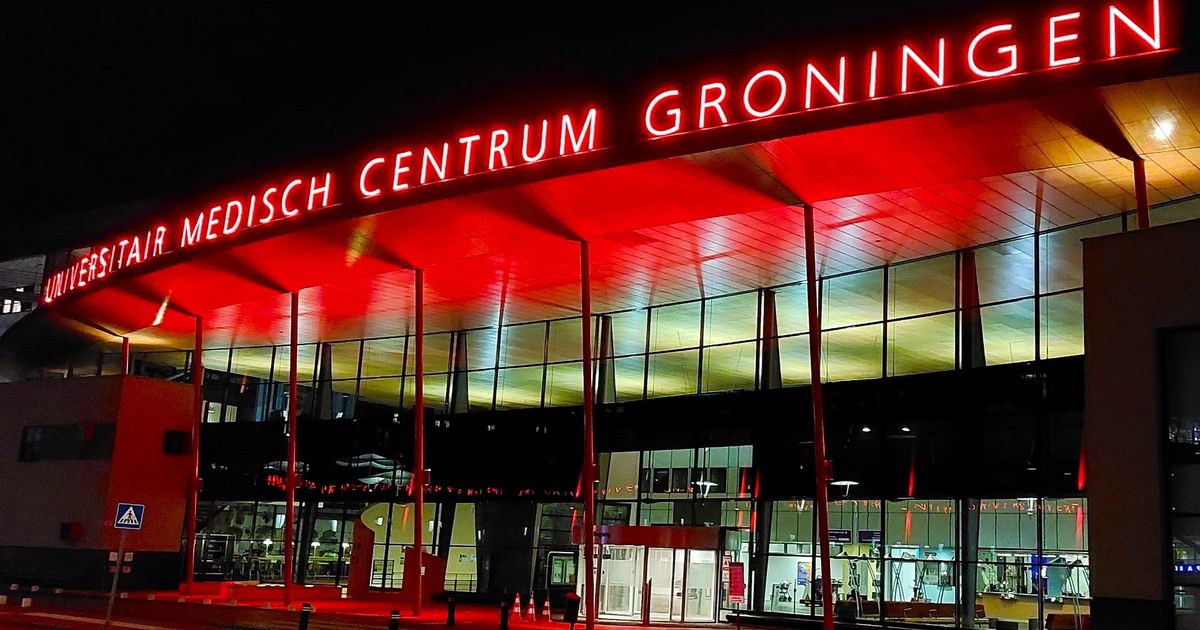
UMCG and Hartstichting mark Dress Red Day to highlight heart disease in women
Medical researchers and public health officials are intensifying efforts to address systemic diagnostic gaps in cardiovascular care. Female patients frequently present with distinct pathological pathways and symptom profiles compared to males. The University Medical Center Groningen (UMCG) illuminated its main entrance in red. Staff wore red attire to mark “Dress Red Day,” an initiative organized in cooperation with the Hartstichting to focus public and clinical attention on cardiovascular disease in women.
Divergent Symptom Profiles and Triage Protocols
Cardiovascular disease manifestations and underlying ischemic mechanisms in female patients frequently diverge from classic male-pattern presentations, complicating standard triage protocols.
This reality brings visibility to a long-standing clinical blind spot in cardiology. As noted by UMCG cardiologist Marieke Ludwig in coverage reported by RTV Noord and OOG TV, historical medical paradigms operated under the assumption that physiological responses to vascular pathology were uniform across populations. Clinicians now recognize that women can experience different forms of heart failure and coronary microvascular dysfunction, which standard diagnostic testing may fail to capture.

The Historical Underrepresentation Challenge
Clinical trials and medical research initiatives continue to grapple with the historical underrepresentation of women in participant cohorts. This imbalance severely limits sex-disaggregated outcome data.
Public health institutions stress that closing this diagnostic gap requires both expanded clinical participation and refined provider education. Organizations such as the Hartstichting coordinate nationwide awareness campaigns to counter these persistent deficits.
Expanding Diagnostic Investigations Across Dutch Institutions
Healthcare institutions across the Netherlands, including UMCG and UMC Utrecht, are actively expanding diagnostic investigations. These centers evaluate how biological sex differences impact symptom perception and therapeutic efficacy.
Academic medical centers like UMC Utrecht emphasize the necessity of embedding sex-and-gender-specific analyses into routine cardiovascular research frameworks. Academic rigor alone, however, is not the only front in this effort.
Community Intervention and Survival Gaps
Concurrently, community-focused initiatives aim to bridge survival gaps by encouraging prompt public intervention during cardiac emergencies. Resuscitation training sessions organized in locations like Breda form a vital part of this grassroots push.
Disclaimer: The information provided in this article is for educational and scientific communication purposes only and does not constitute medical advice. Always consult with a qualified healthcare provider regarding any medical condition, diagnosis, or treatment plan.
>