
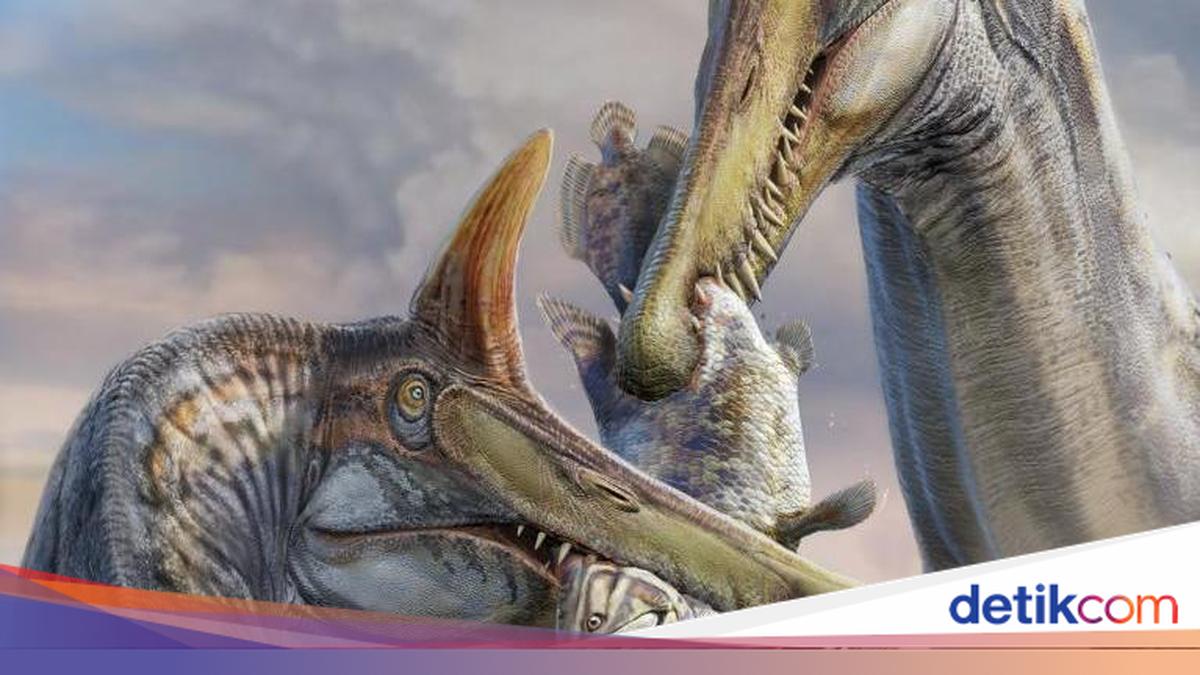
New Spinosaurus Species Discovered in Sahara Desert: Meet Spinosaurus mirabilis
A fresh species of dinosaur, a fish-eating giant dubbed “hell-heron” by researchers, has been discovered in the Sahara Desert, marking the first new species of its kind identified in over a century. The discovery, announced February 19, 2026, stems from expeditions led by University of Chicago paleontologist Paul Sereno beginning in 2019.
The dinosaur, scientifically named Spinosaurus mirabilis, was initially identified by a single, scimitar-shaped bone unearthed in Niger. Sereno’s team, comprised of 20 people, initially struggled to classify the uncover. Further expeditions in 2022 yielded two additional head crests, which, combined with a 3D digital skull assembly created using solar-powered technology in the desert, ultimately revealed the creature’s unique characteristics.
“This find was so sudden and amazing, it was really emotional for our team,” said Sereno, professor of organismal biology and anatomy at the University of Chicago. “I’ll forever cherish the moment in camp when we crowded around a laptop to look at the new species for the first time.”
The discovery was inspired by a reference in a 1950s monograph to a saber-shaped fossilized tooth found by a French geologist in the Sahara. Sereno’s team located a local Tuareg man who guided them to the area in Niger where the Spinosaurus mirabilis bones were ultimately found. The team recovered approximately 50 tons of fossils during their expeditions, according to a report from FOX32 Chicago.
Spinosaurus mirabilis is characterized by a dramatic, sword-like crest, believed to have been covered in keratin and brightly colored during its lifetime. Its teeth are also distinctive, interlocking with those of the lower jaw protruding between the upper teeth, forming a trap for catching slippery fish. This adaptation is also seen in other fish-eating creatures like ichthyosaurs, crocodiles, and pterosaurs.
The location of the find – in the central Sahara, near the remains of a long-necked dinosaur buried in river sediment – suggests that Spinosaurus mirabilis inhabited a forested, riverine environment, rather than a coastal one, challenging previous assumptions about the spinosaurid genus. Sereno described the dinosaur as resembling a “hell-heron,” capable of wading in water up to two meters deep but likely spending much of its time ambushing fish in shallow waters.
Researchers have created both digital and physical reconstructions of the Spinosaurus mirabilis skull, including a brightly colored, touchable replica of the head crest. The findings were published in the journal Science on February 19, 2026, and the replica will be displayed at the Dinosaur Expedition exhibit at the Chicago Children’s Museum. Sereno plans to continue expeditions to Niger and establish a local fossil lab and museum.
Sereno, who has spent the last 30 years excavating over 100 tons of fossils, previously founded the Museum of the River in Nigeria, the world’s first zero-energy museum, dedicated to documenting African dinosaurs.