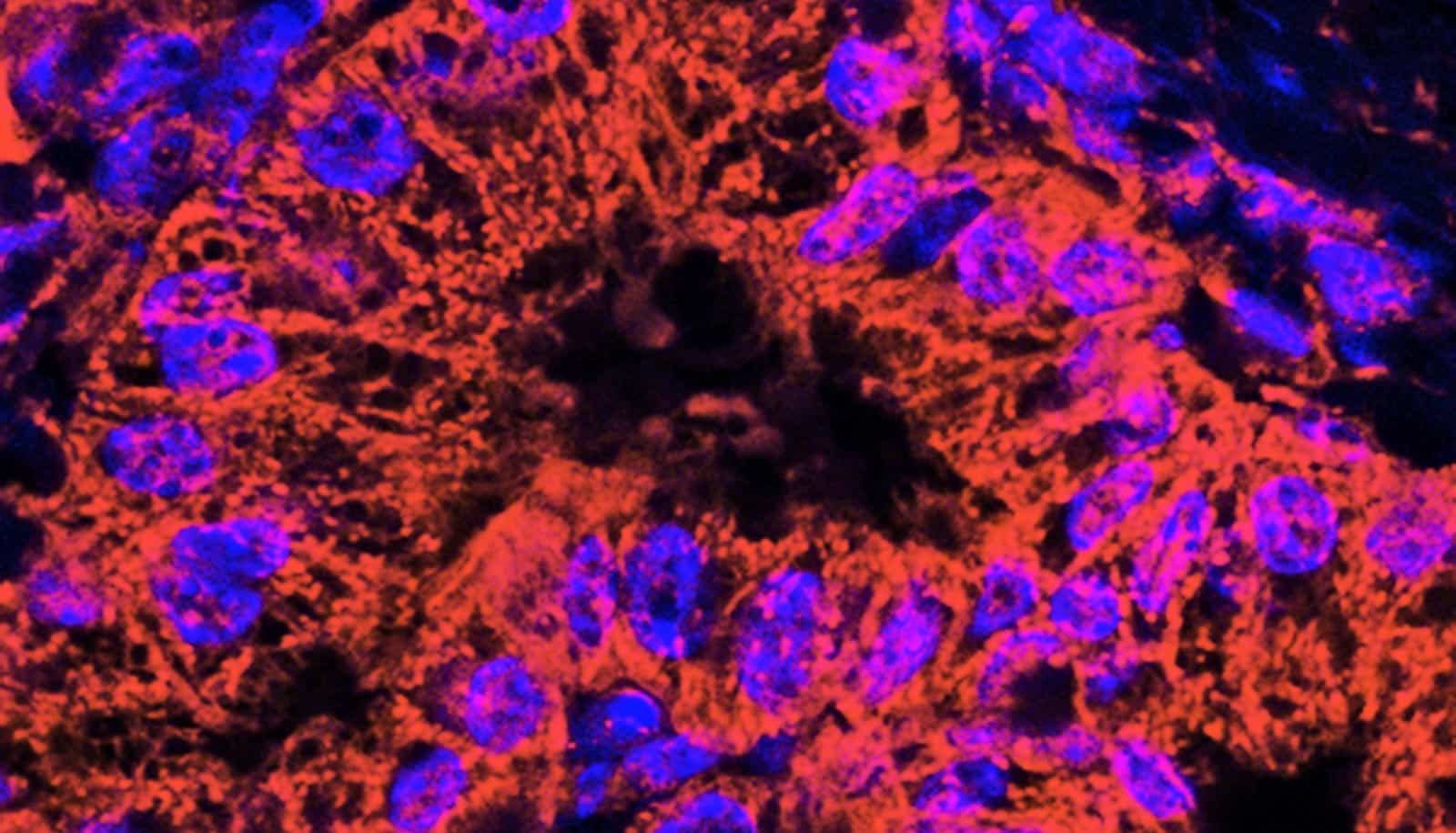
New Research Explains Why Pancreatic Cancer Is Hard to Treat
Pancreatic cancer remains one of the most formidable challenges in modern oncology, often operating as a silent predator that evades detection until it has reached an advanced stage. For clinicians and patients alike, the frustration lies not just in the initial diagnosis, but in the high rate of recurrence after surgical intervention, where dormant cells reappear to trigger a systemic relapse.
- Key Clinical Takeaways:
- Researchers identified the Dec2 gene as a primary mechanism that masks pancreatic cancer cells from the immune system’s killer T cells.
- The discovery of a circadian rhythm linked to Dec2 suggests that the timing of immunotherapy administration may significantly impact patient outcomes.
- Targeting Dec2 could provide a critical alternative for the 50% of patients who do not respond to current experimental mRNA vaccines.
The pathogenesis of pancreatic cancer is characterized by a sophisticated ability to manipulate the tumor microenvironment, creating a physical and chemical barrier that renders the malignancy “cold”—meaning We see largely invisible to the immune system. This immune evasion is the primary reason why standard-of-care immunotherapies, which have revolutionized the treatment of melanoma and lung cancer, have historically failed in the pancreas. With a five-year survival rate stagnating at approximately 13%, the clinical urgency to breach this biological fortress has never been higher.
The Molecular Mask: How Dec2 Facilitates Immune Evasion
A breakthrough study published in the peer-reviewed journal Developmental Cell has pinpointed a specific molecular culprit in this evasion process: the Dec2 gene. According to the research led by Darren Carpizo, a surgeon-scientist at the Wilmot Cancer Institute, Dec2 acts as a biological disguise. It regulates a specific molecule on the surface of tumor cells, effectively hiding the cancer from the killer T cells tasked with identifying and destroying malignant tissue.
In laboratory models, researchers observed that when the Dec2 gene was “knocked out,” the immune system’s T cells were suddenly able to locate and attack the pancreatic cancer cells. This suggests that Dec2 is not merely a byproduct of the cancer’s growth but a functional tool used by the tumor to maintain its invisibility. For patients who have undergone a successful primary resection, the persistence of Dec2-expressing cells may explain why tumors often erupt years after a surgeon has cleared the visible mass.
“Our new study brings us another step closer to understanding how these pancreas tumor cells can hide out for long periods of time, and how to target them,” states Dr. Carpizo.
For patients currently navigating a diagnosis, the complexity of these molecular interactions underscores the necessity of precision medicine. It is highly recommended to consult with a [Board-Certified Surgical Oncologist] to determine if current surgical margins are sufficient or if the patient is a candidate for emerging adjuvant therapies targeting the tumor microenvironment.
Chronotherapy and the Circadian Rhythm of Malignancy
Perhaps the most novel aspect of the University of Rochester research is the intersection of oncology and chronobiology. The team discovered that Dec2 does not operate at a constant level; rather, it follows a circadian rhythm, with expression levels fluctuating throughout a 24-hour cycle. This internal clock directly influences the window of opportunity for T cells to engage the cancer cells.
This biological finding provides a scientific foundation for observations already noted in clinical settings, where immunotherapy administered in the morning appears to yield better results than doses given in the evening. This concept, known as chronotherapy, suggests that the efficacy of a drug is dependent on the biological timing of the target’s vulnerability. By aligning treatment schedules with the troughs of Dec2 expression, clinicians may be able to maximize the “hit rate” of immune-cell infiltration.
The implication for healthcare infrastructure is significant. Moving toward a chronotherapeutic model requires precise scheduling and coordination between pharmacy and nursing staff to ensure medication is delivered within specific therapeutic windows. Facilities looking to optimize these protocols are increasingly partnering with [Specialized Oncology Care Coordinators] to refine administration timelines and improve patient morbidity outcomes.
Bridging the Gap in mRNA Vaccine Response
The recent emergence of experimental mRNA vaccines for pancreatic cancer has offered a glimpse of hope, yet the results highlight a persistent clinical gap. In a small-scale clinical trial at Memorial Sloan Kettering involving 16 patients, half of the participants generated a robust immune response that extended their survival for several years. However, the other 50% remained non-responders.
The University of Rochester study provides a potential explanation for this failure. Because mRNA vaccines rely on the ability of T cells to seek and destroy specific cancer markers, any mechanism that masks those markers—such as the activity of Dec2—will render the vaccine ineffective. If Dec2 is actively disguising the tumor, the vaccine may successfully “train” the immune system, but the T cells will still be unable to find their target.
Targeting Dec2 as a secondary therapy could potentially unlock the efficacy of these vaccines for the non-responder population, transforming a 50% success rate into a more universal clinical victory. This shift toward combination therapies—pairing vaccines with molecular inhibitors—represents the next frontier in treating high-morbidity gastrointestinal cancers.
Funding, Transparency, and Clinical Trajectory
This research was made possible through a pilot grant from the Wilmot Cancer Institute and the National Cancer Institute (NCI), ensuring that the study was conducted under rigorous federal and institutional oversight. By utilizing specialized mouse models that mirror human pancreatic cancer progression, the team was able to analyze the complex interplay of the cancer microenvironment—the surrounding tissues and cells that protect the tumor from systemic attack.
As the medical community moves toward integrating these findings, the focus will likely shift toward identifying biomarkers that can predict Dec2 expression in individual patients. Early detection remains the most critical factor in survival; utilizing an [Advanced Diagnostic Imaging Center] for high-resolution screening is essential for those with genetic predispositions or early warning symptoms.
The trajectory of pancreatic cancer treatment is shifting from a “one-size-fits-all” surgical approach to a nuanced, timed, and molecularly targeted strategy. While the road to a universal cure remains long, the identification of the Dec2 gene provides a concrete target for the next generation of immunotherapy drugs. The goal is no longer just to remove the tumor, but to strip away its disguise and ensure the immune system can finish the job.
To explore the latest in targeted immunotherapy or to find vetted specialists capable of implementing these emerging protocols, we encourage patients and providers to utilize our comprehensive directory of oncology experts and diagnostic facilities.
Disclaimer: The information provided in this article is for educational and scientific communication purposes only and does not constitute medical advice. Always consult with a qualified healthcare provider regarding any medical condition, diagnosis, or treatment plan.