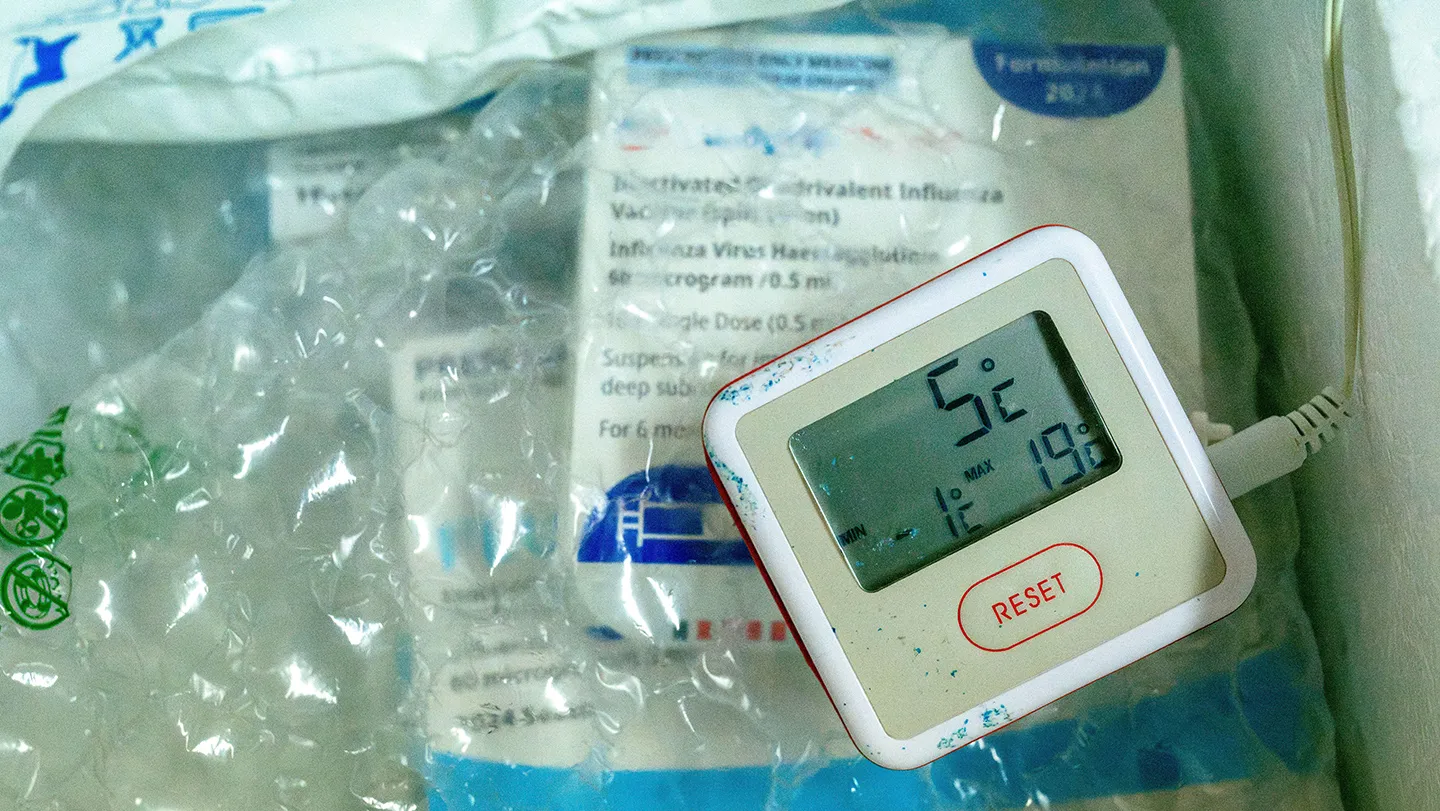
New Heat-Stable Vaccine Protects Against Tetanus and Diphtheria
An experimental vaccine candidate protecting against tetanus and diphtheria has demonstrated successful immunogenicity in early trials without requiring refrigeration, according to clinical data evaluating thermal stability improvements in modern immunizations. This development addresses a central logistical hurdle in global immunization campaigns: the maintenance of the cold chain, which requires continuous temperature regulation from the manufacturing plant to the point of care.
Key Clinical Takeaways:
- Early clinical trials show that an experimental vaccine provides protection against tetanus and diphtheria while eliminating the need for cold-chain refrigeration.
- Maintaining traditional thermal requirements for vaccines adds complex supply chain logistics and risks potency loss during transport in resource-limited regions.
- Clinical researchers continue to evaluate thermal stabilization methods to improve global vaccine distribution pathways.
The absence of reliable cold-chain infrastructure often limits public health outreach in remote or economically developing settings. Traditional protein-based and toxoid vaccines, such as those targeting tetanus and diphtheria, depend on aluminum salt adjuvants or specific liquid formulations that degrade or aggregate when exposed to ambient heat or freezing temperatures. According to guidance from the World Health Organization, temperature excursions outside the recommended two to eight degrees Celsius range account for substantial logistical waste and programmatic bottlenecks.
Thermal Stability and Biological Mechanisms in Toxin Protection
Protecting populations against corynebacterium diphtheriae and clostridium tetani relies on generating high-titer neutralizing antibodies against bacterial exotoxins. Traditional formulations achieve this through formaldehyde inactivation of purified toxins. However, maintaining the tertiary structure of these protein antigens without refrigeration requires advanced stabilization matrices, such as sugar-glass drying technologies or novel aqueous excipients.
Data from early-stage clinical evaluations indicate that thermally stable formulations preserve antigen integrity without relying on continuous cold storage. When exposing these candidate vaccines to elevated temperatures during testing phases, researchers observed consistent immunogenic responses comparable to standard cold-stored equivalents. This technological shift relies on modifying the microenvironment surrounding the antigen to prevent thermal denaturation.
For healthcare institutions and public health administrators managing large-scale immunization inventories, evaluating these emerging formulations requires rigorous oversight. It is vital to consult with specialized clinical research organizations and healthcare compliance attorneys to audit supply chain protocols and regulatory readiness as novel delivery mechanisms advance through clinical pipelines.
Logistical Implications for Global Health Infrastructure
Deploying immunizations without cold-chain dependencies transforms the economics of distribution. Supply chain managers frequently encounter high operational expenses and capital investments dedicated to cold rooms, refrigerated trucks, and localized ice-pack distribution. Eliminating these requirements reduces logistical friction, particularly in regions where electrical grid instability compromises storage integrity.
Clinical pharmacologists note that verifying the long-term stability of these formulations remains a primary focus as studies progress. According to research published in the National Institutes of Health database, assessing shelf-life durability under varied climatic stress conditions is mandatory before regulatory bodies will consider licensure. Ensuring that these products meet established benchmarks for safety and efficacy under field conditions dictates the pace of subsequent trial phases.
As clinical developers advance these thermal-resistant candidates, diagnostic facilities and treatment centers must prepare for integration into existing inoculation schedules. Medical professionals seeking to align their practices with upcoming distribution standards should consult with vetted public health advisors to ensure seamless clinical adoption once regulatory reviews conclude.
*Disclaimer: The information provided in this article is for educational and scientific communication purposes only and does not constitute medical advice. Always consult with a qualified healthcare provider regarding any medical condition, diagnosis, or treatment plan.*