West Nile Virus Cases Rise in Greece as Authorities Stay on Alert
Forty-Seven New Infections Strains Greek Health Surveillance
Public health authorities in Greece are maintaining a heightened state of surveillance as West Nile virus infections climb. Officials recorded 47 new cases within a single weekly reporting cycle, according to recent epidemiological data.
The vector-borne illness presents a persistent seasonal challenge across Southern Europe. It requires stringent clinical tracking and proactive environmental management to mitigate morbidity and mortality risks.
- Greek health authorities reported a sharp 47-case increase in West Nile virus infections over a single weekly reporting cycle.
- Clinical manifestations range from mild febrile illness to severe neuroinvasive disease, including encephalitis and meningitis.
- Timely diagnostic confirmation relies on specific laboratory criteria, such as IgM antibody detection in cerebrospinal fluid or serum.
Decoding Neuroinvasive Pathology and Clinical Benchmarks
West Nile virus infection ranges from asymptomatic seroconversion to severe neuroinvasive pathology. According to European Union surveillance standards outlined by public health frameworks, confirmed cases must meet rigorous clinical and laboratory benchmarks.
The clinical criteria require a patient presenting with fever, encephalitis, or meningitis. Laboratory confirmation mandates at least one validated indicator. These include the isolation of the virus from blood or cerebrospinal fluid, the detection of viral nucleic acid, or a positive immunoglobulin M (IgM) antibody response paired with neutralization assays.
In a fraction of infected individuals, the pathogen crosses the blood-brain barrier, triggering neuroinvasive disease.
For patients presenting with persistent neurological deficits or acute systemic symptoms following potential exposure, securing an evaluation through specialized diagnostic centers or consulting vetted infectious disease specialists is essential for proper case management.
Targeted Larviciding and Municipal Vector Management
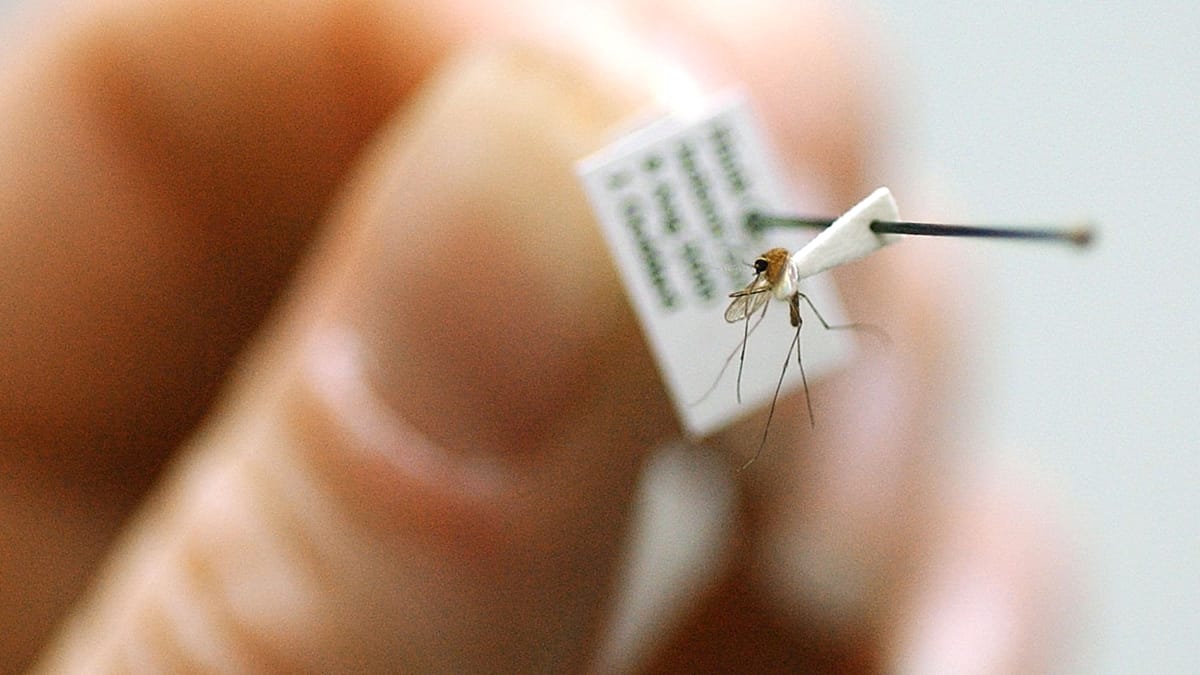
Mitigating the spread of West Nile virus depends heavily on environmental vector control and public adherence to personal protection measures. Transmission occurs primarily through the bite of infected mosquitoes that acquire the pathogen from avian reservoirs.
Epidemiologists utilize these surveillance metrics to track viral circulation intensity and adjust public health advisories accordingly.
Clinical Vigilance in Endemic Zones
Healthcare providers operating in endemic zones must remain vigilant for acute febrile presentations during peak transmission months. Clinicians suspecting arboviral illness should coordinate with regional laboratories to execute precise serological testing while accounting for cross-reactivity with other flaviviruses.
Executing rapid patient triage often requires close collaboration with public health agencies and clinical laboratories.
Disclaimer: The information provided in this article is for educational and scientific communication purposes only and does not constitute medical advice. Always consult with a qualified healthcare provider regarding any medical condition, diagnosis, or treatment plan.