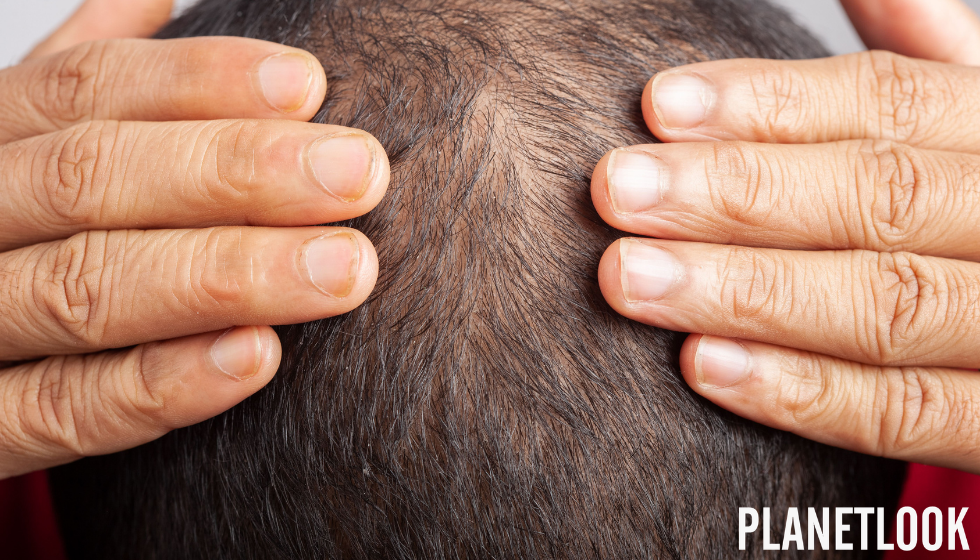
New Generation of Hair Loss Treatments: Are We Close to a Cure?
Recent headlines regarding experimental therapeutics for androgenetic alopecia, such as Breezula, PP405, and hair cloning techniques, have sparked widespread interest among patients and specialists, raising questions about whether a paradigm shift in hair loss management is imminent. According to reports from Interempresas.net, Murcia.com, and Planetlook.com, these developments offer novel mechanisms of action compared to standard care, yet clinical experts emphasize that rigorous validation regarding safety and efficacy remains essential before widespread adoption.
- Novel experimental compounds like Breezula and PP405 target androgen receptors and follicular stem cells through distinct pathways, moving beyond traditional DHT inhibition.
- Hair cloning aims to generate functional follicles from patient cell samples, though significant biological hurdles remain before clinical translation.
- Medical specialists emphasize that no definitive cure currently exists, making early diagnosis and individualized treatment plans vital for preserving hair density.
The landscape of hair restoration research is currently navigating a critical transition phase between experimental innovation and proven clinical utility. Speaking to medical media outlets, Dr. Raquel Amaro Silva of Hospital Capilar noted that while the scientific community faces an especially interesting era in capillar research, specialists must carefully differentiate between promising early data and a fully tangible therapeutic revolution. Current standard-of-care treatments for androgenetic alopecia primarily focus on inhibiting dihydrotestosterone (DHT) or stimulating existing anagen phases through systemic or topical agents. By contrast, investigational compounds aim to intervene at entirely different stages of follicular pathogenesis.
Mechanisms of Action: How Emerging Compounds Differ
The pipeline of experimental agents targets distinct biological pathways involved in hair follicle miniaturization. Breezula functions by locally blocking the androgen receptor directly within the hair follicle, potentially minimizing systemic exposure while mitigating androgenic signaling. Meanwhile, PP405 is designed to reactivate follicular stem cells that have entered a prolonged state of dormancy, encouraging them to re-enter the active growth cycle.

The Horizon of Regenerative Medicine and Hair Cloning
Hair cloning represents one of the most widely discussed yet distant technological frontiers in regenerative medicine. The primary objective of this technique is to harvest a minor tissue sample from a patient, isolate viable cells, and culture them in vitro to produce new structures capable of generating functional hair. This approach aims to overcome the primary limitation of traditional follicular unit transplantation: the finite availability of donor hair in the occipital region.
Despite the high expectations surrounding regenerative therapies, significant scientific obstacles persist. As highlighted by clinical specialists, the primary challenge is not merely isolating and multiplying cells in a laboratory environment, but ensuring those cells successfully organize into fully functional follicles capable of maintaining normal cyclical hair growth over extended periods.
Evaluating Future Integration With Surgical Restorative Techniques
If ongoing and future clinical trials confirm the efficacy and long-term safety of these emerging treatments, specialists project they will likely serve as powerful adjuncts to existing surgical interventions rather than immediate standalone replacements. In patients presenting with mild to moderate androgenetic alopecia, medical therapies could stabilize the condition and reverse miniaturization effectively. In more advanced presentations, surgical hair transplantation remains a necessary modality to restore lost density.

Medical consensus underscores that the future of hair restoration will likely involve customized, multimodal protocols combining medical therapy, regenerative procedures, and surgical techniques tailored to individual patient profiles. Because no definitive cure for androgenetic alopecia is currently available on the market, clinicians strongly advise against delaying formal medical evaluations or abandoning proven regimens in anticipation of unreleased therapies.