
New Development in Crans-Montana Bar Constellation Investigation
A public prosecutor has resigned from the investigation into the Constellation bar tragedy in Crans-Montana, according to reports from Blick on July 10, 2026. The departure leaves two of the three original prosecutors to manage the complex case, raising concerns about the continuity and timing of the judicial process in the Valais region.
The resignation creates a procedural vacuum at a critical juncture. When a lead investigator exits a high-profile criminal case, the transition of evidence and the handover of case files can lead to delays. For the victims’ families and the accused, this instability often translates to a prolonged wait for a final verdict.
The Constellation bar case is not a simple criminal matter; it is a collision of safety regulations, corporate liability, and potential negligence. The legal architecture of the Valais justice system is now under scrutiny to see if the remaining team can maintain the investigation’s momentum without a lapse in oversight.
Judicial Instability in the Valais Prosecution
The decision by one of the three prosecutors to step down disrupts the collective strategy established at the start of the inquiry. In the Swiss legal system, specifically within the jurisdiction of the Swiss Confederation, the consistency of the prosecution team is vital for maintaining the integrity of the evidence chain.
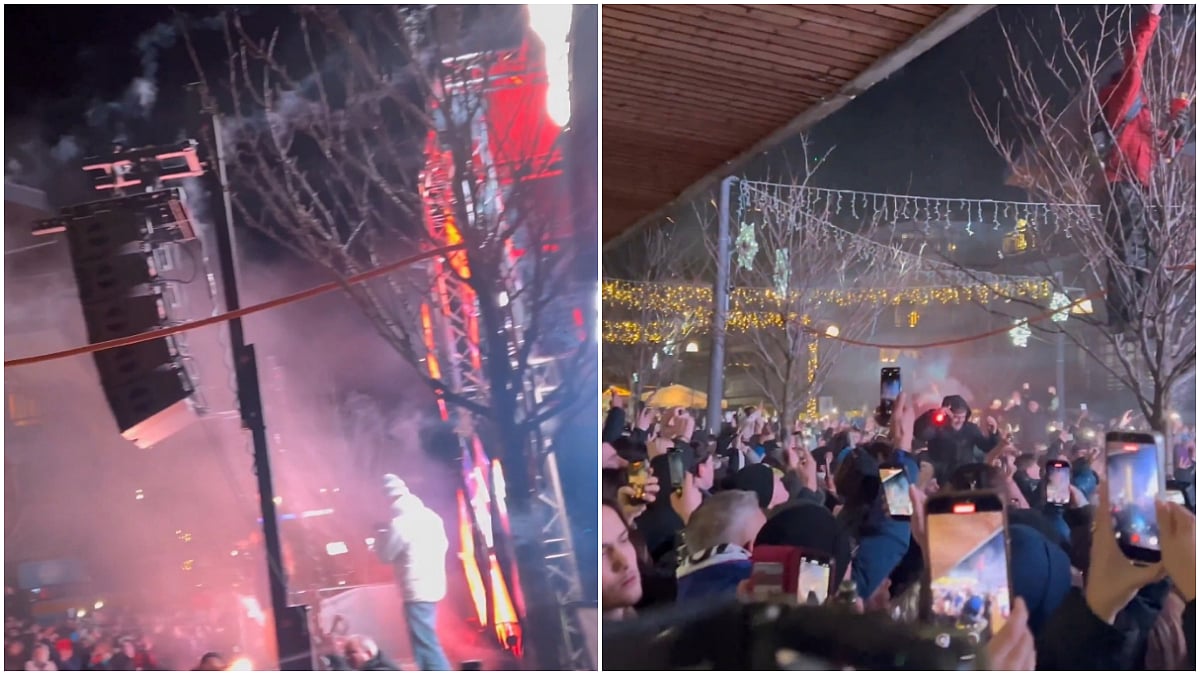
Blick reports the resignation as a “new twist” in a case already fraught with tension. The loss of a prosecutor during an active investigation often signals internal friction or a shift in the case’s direction. While the official reasons for the departure remain guarded, the timing suggests a volatile atmosphere within the investigative body.
This instability forces the remaining prosecutors to absorb the workload of their departed colleague. In complex cases involving multiple witnesses and technical forensics, such a shift can lead to bottlenecks in the filing of indictments.
The Impact on Crans-Montana’s Legal and Business Climate
Crans-Montana is a global hub for luxury tourism and high-end real estate. A lingering, unsettled criminal investigation into a local business—especially one involving a tragedy—casts a shadow over the municipality’s reputation for safety and stability. The “Constellation” case serves as a cautionary tale for hospitality operators regarding the strictness of Swiss fire and safety codes.

Local business owners are now facing a period of heightened regulatory scrutiny. When a tragedy occurs and the subsequent investigation is perceived as unstable, municipal authorities often respond with aggressive, sweeping inspections of other venues to mitigate risk.
For enterprises operating in the region, the risk is no longer just about compliance, but about liability protection. Business owners are increasingly engaging [Commercial Law Firms] to audit their safety protocols and ensure their insurance coverage is sufficient to withstand prolonged legal battles.
“The resignation of a prosecutor in a case of this magnitude is rarely a neutral event. It introduces a variable of uncertainty that defense attorneys will likely use to challenge the consistency of the prosecution’s narrative.”
Procedural Risks and the Path to Trial
The primary risk now is the “information gap” created by the departure. If the resigning prosecutor held specific knowledge or had developed a unique theory of the crime, that insight must be meticulously transferred to the remaining two members. Failure to do so could lead to procedural errors that might allow a judge to dismiss key evidence.
The case involves a complex web of relationships: the bar’s ownership, the employees on duty, and the municipal inspectors who approved the venue’s operation. Each of these entities is linked through the Swiss Code of Criminal Procedure, which dictates how evidence must be gathered and presented.
Because the investigation involves potential negligence, the technical data—ranging from building blueprints to alarm system logs—must be cross-referenced with witness testimony. This is a labor-intensive process. With a reduced team, the risk of oversight increases.
Individuals caught in the crossfire of this investigation, whether as witnesses or suspects, are now seeking specialized [Criminal Defense Attorneys] to navigate the shifting landscape of the prosecution’s team.
Regional Economic Consequences
The instability of the case affects more than just the courtroom. The hospitality sector in the Valais region relies on a perception of seamless luxury and safety. A publicized struggle within the prosecutor’s office can lead to a perception of institutional weakness.

Furthermore, the prolonged nature of the case prevents the “Constellation” site and surrounding businesses from fully moving past the tragedy. Until a legal resolution is reached, the site remains a symbol of failure rather than a place of commerce.
The local economy depends on the swift resolution of such disputes to maintain investor confidence. When the legal process drags on due to personnel changes, it creates a “litigation overhang” that can deter new investments in the Crans-Montana hospitality market.
To manage these risks, developers and hotel operators are turning to [Risk Management Consultants] to implement gold-standard safety frameworks that exceed minimum legal requirements, effectively insulating themselves from the volatility of the local judicial process.
The resignation of a prosecutor is a bureaucratic event with human consequences. It transforms a quest for justice into a test of institutional endurance. As the remaining two prosecutors attempt to close the gap, the case of the Constellation bar remains a stark reminder that in the pursuit of accountability, the process is often as fragile as the evidence itself. For those still entangled in the fallout, finding verified, experienced legal representation via the World Today News Directory is no longer an option—it is a necessity for survival in a shifting legal tide.