
New Biomarkers Present Promise in Detecting Hidden Heart Damage After Chest Trauma
Astana, Kazakhstan – Researchers at the University Medical Center in Astana, Kazakhstan, are investigating a new approach to diagnosing myocardial contusion, a frequently overlooked heart injury resulting from blunt chest trauma. A review published in the European Journal of Trauma and Emergency Surgery highlights the potential of damage-associated molecular patterns (DAMPs) – specifically the HMGB1 protein and circulating histones – as biochemical markers for earlier and more accurate detection of the condition.
Blunt chest trauma, commonly caused by vehicle collisions, falls, and other high-impact events, can inflict damage on the heart muscle without immediately obvious symptoms. Current diagnostic methods, relying on electrocardiography (ECG) and cardiac troponin testing, often prove insufficient in distinguishing myocardial contusion from other forms of cardiac stress, leading to potential delays in treatment.
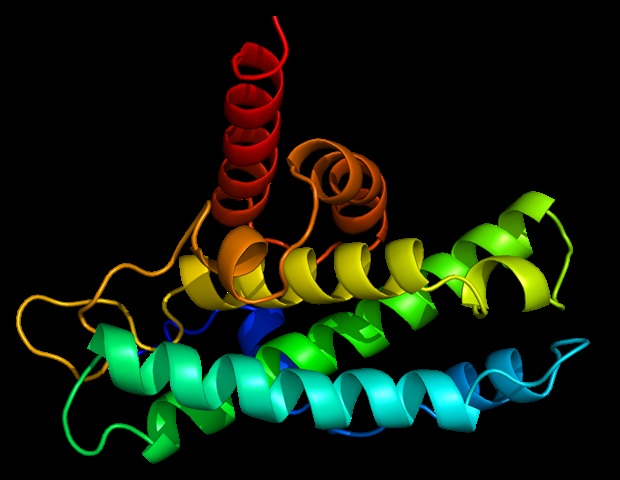
The research focuses on DAMPs, molecules released by damaged cells that trigger an inflammatory response even in the absence of infection. According to the review, HMGB1, a nuclear protein, rapidly enters the bloodstream after injury and initiates inflammatory signaling. Studies indicate that HMGB1 levels can increase significantly within hours of trauma, potentially correlating with the extent of tissue damage and cardiac strain. Circulating histones, another class of intracellular proteins, also contribute to inflammation and may be elevated in patients experiencing severe trauma.
“These molecules could complement existing biomarkers by providing information not only about structural damage to the heart but also about the immune response driving secondary injury,” explained Makhabbat Bekbossynova, lead author of the review and a researcher at the University Medical Center in Astana.
Diagnosing myocardial contusion presents unique challenges. Unlike myocardial infarction, it lacks definitive clinical criteria. Patients may exhibit arrhythmias, unstable blood pressure, or subtle ECG changes that can mimic ischemia. The delayed onset of symptoms – sometimes appearing hours or days after the initial injury – further complicates timely diagnosis and increases the risk of serious complications like cardiogenic shock or sudden cardiac arrest.
The review details how trauma initiates a cascade of immune responses known as sterile inflammation. This process involves the release of DAMPs, which activate immune cells and trigger a series of events including cytokine release and coagulation changes. Whereas these responses are intended to promote healing, excessive activation can contribute to organ dysfunction, including cardiac injury.
However, researchers caution that translating DAMPs into routine clinical diagnostics is not without hurdles. Both HMGB1 and histones are elevated in a variety of diseases, including autoimmune disorders and cancer, making it difficult to pinpoint trauma-specific changes without continuous monitoring. Standardized measurement techniques and clearly defined diagnostic thresholds are crucial before these biomarkers can be incorporated into emergency protocols.
The study suggests that while ECG and troponin testing remain essential components of trauma assessment, integrating molecular markers of inflammation could improve risk stratification and facilitate earlier detection of myocardial contusion. Researchers anticipate that large-scale clinical trials will be necessary to determine the prognostic value of DAMP levels in various trauma scenarios.
