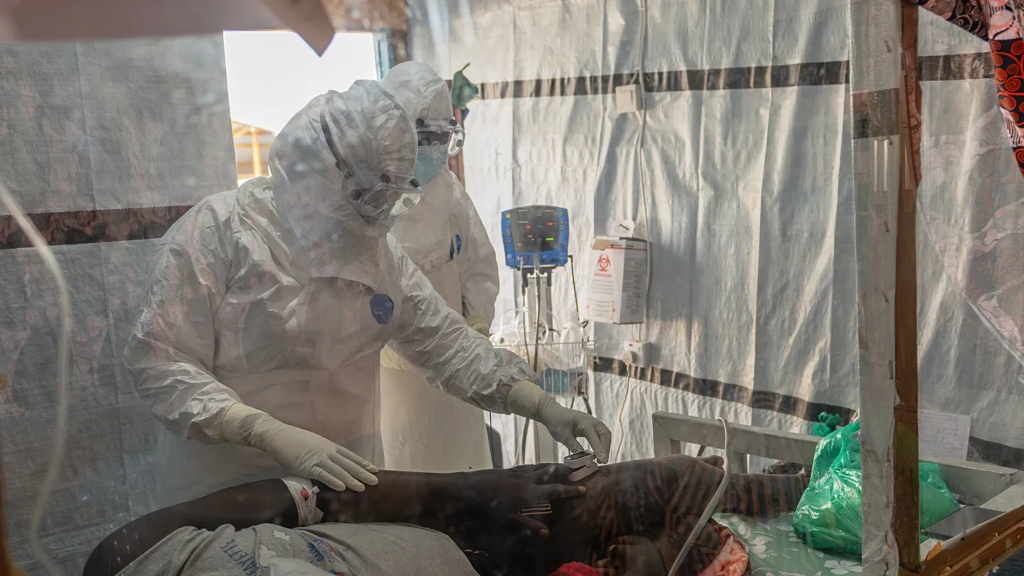
New Attack on Ebola Treatment Center in DRC’s Ituri Province
An unidentified armed group attacked an Ebola treatment center in the Ituri province of the Democratic Republic of the Congo (DRC) on July 2, 2026, marking a significant escalation in the ongoing struggle to contain viral outbreaks in conflict-affected regions. The assault has disrupted local clinical operations, jeopardizing the administration of monoclonal antibody therapies and essential supportive care for patients currently in the incubation or symptomatic stages of the disease.
Key Clinical Takeaways:
- Armed incursions into medical facilities directly impede the delivery of standardized Ebola care, including fluid resuscitation and experimental therapeutics.
- The disruption of contact tracing and vaccination protocols in Ituri increases the probability of secondary transmission chains within the community.
- Effective viral containment relies on the intersection of secure infrastructure and rapid access to specialized infectious disease facilities.
Epidemiological Impact of Infrastructure Disruption
The pathogenesis of the Ebola virus (EBOV) requires a rigorous, multi-modal clinical response to reduce mortality, which can exceed 50% in untreated populations. When treatment centers become targets of conflict, the standard of care—comprised of aggressive electrolyte replacement, vasopressor support, and the administration of FDA-approved therapeutics like Inmazeb or Ebanga—is abruptly halted. According to the World Health Organization (WHO), the primary driver of epidemic expansion in the DRC is often the breakdown of trust between healthcare delivery systems and local populations, compounded by physical insecurity.

The interruption caused by the July 2 incident threatens to reverse progress in regions where clinicians have worked to establish stable viral monitoring. Dr. Jean-Jacques Muyembe-Tamfum, a lead researcher in Ebola therapeutics, has previously noted that the efficacy of early-stage intervention is time-dependent; delays in care translate directly into higher viral loads and increased systemic morbidity. Patients requiring urgent infectious disease management should seek guidance from vetted infectious disease specialists to ensure continuity of care during periods of regional instability.
Biological Mechanisms and the Challenge of Containment
Ebola virus disease (EVD) is characterized by a rapid systemic inflammatory response, leading to multi-organ failure and disseminated intravascular coagulation. The current clinical arsenal relies heavily on monoclonal antibodies that target the viral glycoprotein to prevent entry into host cells. However, these biologics require cold-chain storage and a stable clinical environment to maintain structural integrity.
Per the latest longitudinal data available via PubMed, the success of these interventions is intrinsically linked to the ability of the healthcare system to reach patients during the early symptomatic phase. When facilities are evacuated due to security threats, the “window of opportunity” for these therapies closes, leading to higher case-fatality rates. For medical organizations operating in high-risk zones, maintaining compliance with international humanitarian standards is essential. Engaging with specialized healthcare compliance attorneys can assist in navigating the complex logistics of medical supply chain security in volatile environments.
The Intersection of Conflict and Public Health Policy
The attack in Ituri highlights the critical gap between research-led advancements in virology and the reality of field-based implementation. While clinical trials have successfully identified highly effective treatments, the physical infrastructure of the DRC’s health network remains vulnerable. The Centers for Disease Control and Prevention (CDC) emphasizes that successful outbreak mitigation requires a “ring vaccination” strategy—a method that relies on the safety and accessibility of local health hubs.

The security of these centers is not merely a logistical concern; it is a clinical imperative. Without secure access to diagnostic testing and isolation wards, the ability to interrupt the viral transmission chain is severely compromised. As stakeholders evaluate the impact of this latest incident, focus is shifting toward the hardening of medical facilities and the integration of mobile response units that can operate independently of fixed-site infrastructure. Clinicians and diagnostic centers looking to improve their preparedness for infectious disease surges should consult with public health clinical consultants to review institutional safety protocols.
Future Trajectories in Viral Management
The trajectory of Ebola management is trending toward decentralization, with an increased reliance on rapid-diagnostic testing and point-of-care therapeutics. However, as evidenced by the events in Ituri, technological advancements cannot fully mitigate the risks posed by geopolitical instability. Future resilience will depend on the synthesis of robust, conflict-sensitive healthcare delivery and continued investment in accessible, thermostable therapeutic options. Maintaining a high index of clinical suspicion and ensuring that local practitioners are supported by global health networks remains the most effective strategy against the resurgence of the virus.
*Disclaimer: The information provided in this article is for educational and scientific communication purposes only and does not constitute medical advice. Always consult with a qualified healthcare provider regarding any medical condition, diagnosis, or treatment plan.*