
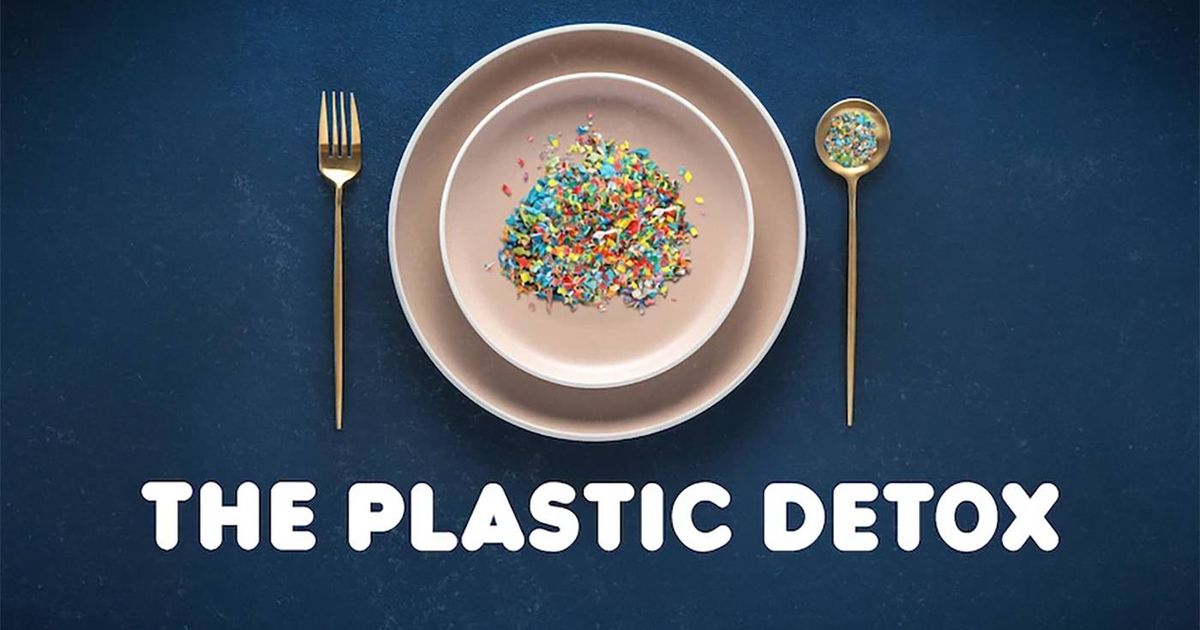
A new Netflix documentary, “The Plastic Detox,” premiering March 16, investigates the potential health impacts of plastics and microplastics, with a particular focus on fertility. The film follows six couples struggling with unexplained infertility as they undertake a three-month “plastic detox,” drastically reducing their exposure to plastic-related chemicals in their daily lives.
Directed by Louie Psihoyos, known for his environmental documentaries, and co-directed by Josh Murphy, the film examines the science behind society’s reliance on plastic. Participants, guided by epidemiologist Shanna H. Swan, aim to determine if reducing plastic exposure can influence their health and fertility, according to Netflix’s Tudum publication.
The documentary highlights the prevalence of microplastics – tiny particles created when larger plastics break down – and their potential to enter the body through inhalation, ingestion, and even skin absorption. It focuses on two key chemical groups commonly found in plastics: phthalates, which make plastic flexible, and bisphenols, like BPA, which provide rigidity and are also present in thermal receipts.
These chemicals are categorized as endocrine disrupting chemicals (EDCs), substances that can interfere with the body’s hormonal system. Scientists featured in the film suggest these disruptions may contribute to reduced fertility, hormonal imbalances, weight gain, cardiovascular problems, and developmental issues in children, as reported by Minderoo Foundation.
“The Plastic Detox” also broadens its scope beyond individual health, examining the wider impact of plastic production, and waste. The film features communities opposing new petrochemical plants and designers working to eliminate synthetic fibers from their fashion supply chains. This shift in focus reflects a growing understanding of microplastics as a health issue, rather than solely an environmental concern, with studies now detecting microplastics in human blood, placentas, and lung tissue.
The documentary doesn’t present a definitive solution, but rather follows the couples as they modify their routines – reducing plastic packaging, switching to alternative personal care products, and altering cooking habits. After three months, their health metrics are re-evaluated. The film leaves it to viewers to assess whether the results demonstrate a significant impact.
Experts suggest several steps individuals can take to reduce their microplastic intake. These include avoiding heating food in plastic containers, choosing glass, stainless steel, or ceramic for food storage, scrutinizing cosmetic and personal care product ingredients for synthetic polymers like polyethylene and polypropylene, limiting contact with thermal paper receipts, opting for natural fibers over synthetic clothing, and prioritizing fresh, unpackaged foods.
While a complete elimination of plastic is unrealistic, conscious choices regarding packaging, heating, and daily product selection can lower daily exposure. The documentary’s release comes as scientific attention to the role of plastics in public health continues to grow.
