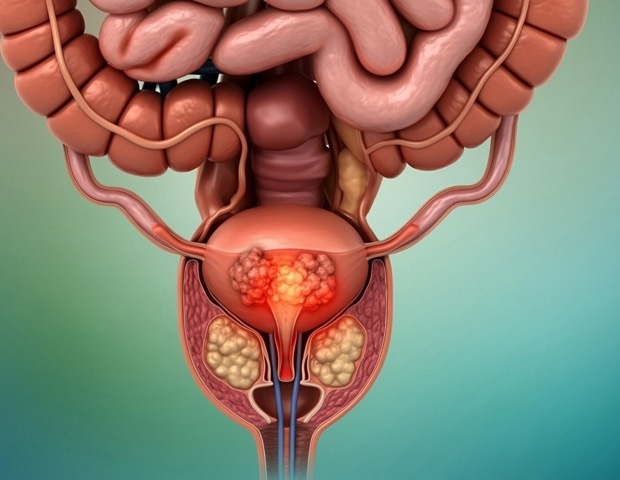
Nervous System Link Found in Aggressive Neuroendocrine Prostate Cancer Treatment
Neuroendocrine prostate cancer evades immune system detection through an early overabundance of the neurotransmitter neuromedin U. The molecule blocks T cell infiltration by activating suppressive neutrophils.
An Exceptionally Lethal Variant Defies Modern Immunotherapy
Common prostate malignancies are frequently manageable and highly survivable. Yet neuroendocrine prostate cancer (NEPC) presents an entirely different clinical pathogenesis.
The disease lacks the T cells that typically infiltrate tumors and respond to modern immune checkpoint inhibitors and other immunotherapeutic regimens.
“Immunotherapy only works if you have immune cells within the tumor,” said Michela Perego, research assistant professor in the Altieri lab and first author of the study, describing the central therapeutic hurdle of treating cold tumors.
Early Surges of Neuromedin U Build an Invisible Shield
To investigate why these protective T cells are absent, researchers utilized a murine model to observe cellular activity before cancer fully developed.
The analysis revealed an excessive abundance of neuromedin U (NMU), a neurotransmitter typically responsible for regulating routine physiological functions such as blood pressure, stress response, and hormone balance. In the context of NEPC tumorigenesis, however, this overabundance plays a pathological role.
It commands neutrophils to suppress T cell migration into the prostate tissue. These NMU-activated neutrophils effectively work on behalf of the nascent tumor to neutralize the body’s primary immunological defense before the cancer even fully forms.
Laboratory Tests Disarm the Pathological Signaling Pathway
Targeting this newly identified pathway offers a potential solution for transforming immunologically cold tumors into responsive targets. In experimental simulated microenvironments, investigators successfully targeted NMU for destruction to reverse the suppression.
“By blocking the communication between the destructive NMUs working for NPEC, we were able to disarm them, and allow the T cells back in,” said Michela Perego, noting that this intervention successfully reinforced anti-tumor immune response and restored sensitivity to immunotherapy.
A Newly Discovered Lynchpin Linking Cancer and Nerves
Senior author Dario C. Altieri emphasized the central role of this neurotransmitter in tumor persistence. Altieri is president and CEO, director of the Ellen and Ronald Caplan Cancer Center and Robert and Penny Fox Distinguished Professor at The Wistar Institute.
“Neuromedin U turned out to be a lynchpin,” said Dario C. Altieri. “The tumor uses it to build a shield of protective immune cells around it, and when the signal is removed, the shield comes down. For a cancer with limited options, identifying a target that reopens the door to immunotherapy is something we want to better understand.”
Next Steps for Patients Facing Aggressive Tumors
These preclinical findings uncover a vital cross-system channel of communication between cancer and the nervous system. They establish a framework that could eventually provide therapeutic options for malignancies that currently lack effective treatments.
Disrupting this pathway to stop the pathological overproduction of NMU represents an important step toward overcoming the therapeutic resistance characteristic of aggressive neuroendocrine prostate tumors.
*Disclaimer: The information provided in this article is for educational and scientific communication purposes only and does not constitute medical advice. Always consult with a qualified healthcare provider regarding any medical condition, diagnosis, or treatment plan.*