
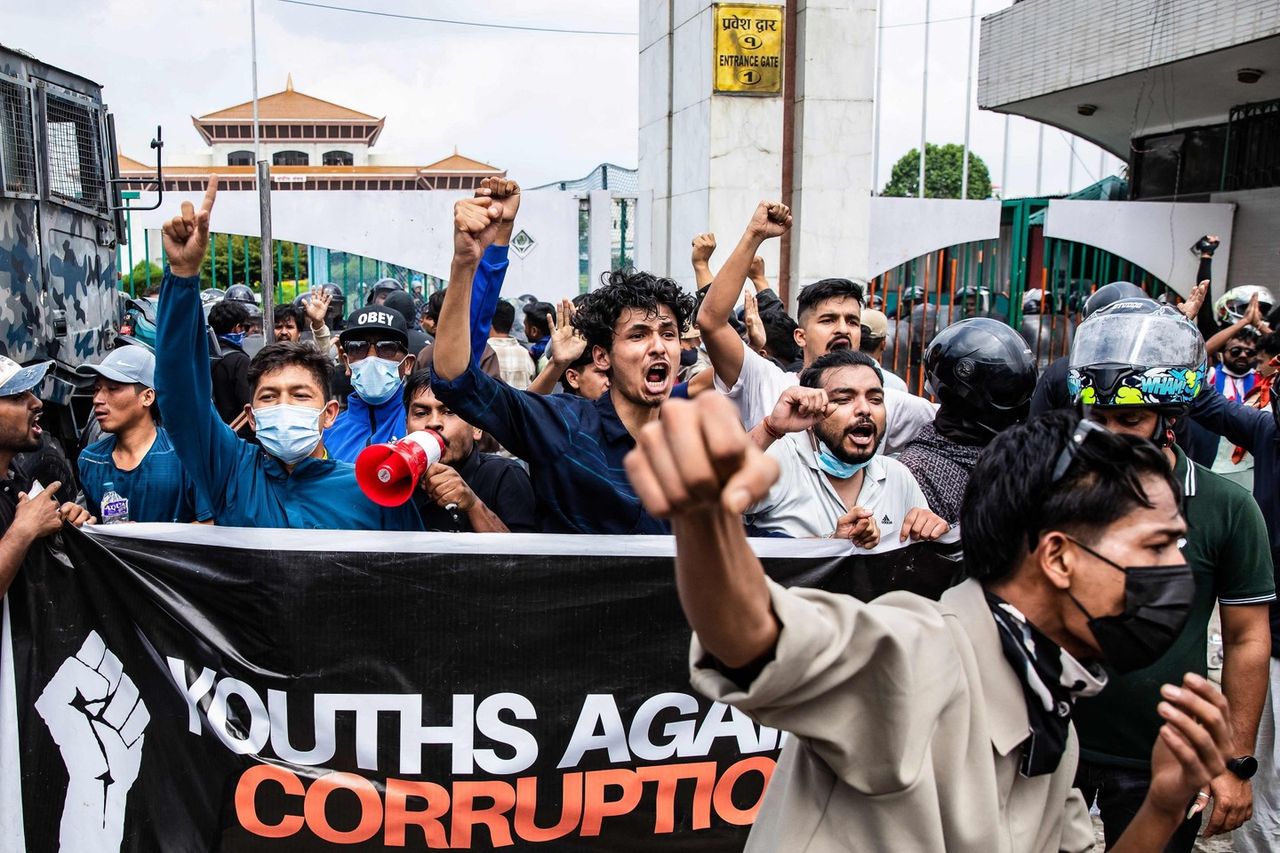
Nepal Prime Minister Resigns Amidst Violent Protests, Social Media Restrictions Lifted
Kathmandu, Nepal – September 9, 2023 – Nepal is facing a period of political uncertainty following the resignation of Prime Minister KP Sharma Oli amidst escalating protests fueled by allegations of corruption and a recent attempt to ban social media. The demonstrations, largely driven by Gen Z activists, have resulted in at least 17 deaths, over 400 injuries to both protesters and officials, and widespread unrest including attacks on government buildings and the residences of politicians.
The protests initially erupted in response to government attempts to regulate social media, perceived as a crackdown on dissent.This prompted widespread condemnation and further galvanized opposition. On the same night the social media ban was announced, the government reversed course, lifting the restrictions but simultaneously imposing a curfew within a 3km radius of Parliament, prohibiting gatherings between 12:30 and 22:00 hours, effective September 8th. The curfew has since been expanded to include areas surrounding the President and vice President’s offices.
The escalating violence prompted the resignation of Interior Minister Ram Bahadur Thapa due to “moral reasons” related to the deaths of protesters. He was followed by the resignations of the Ministers of Agriculture and Resources.
Despite the curfew, protests continued today, September 9th, with reports of government offices being set ablaze and attacks targeting the homes of high-level officials, forcing security forces to evacuate.
In a televised address, Prime Minister Oli announced his resignation, framing it as a move to facilitate a “crisis amendment” and urging a return to peaceful negotiations. He emphasized that violence is detrimental to the nation. though,his departure leaves Nepal in a precarious political situation.
Amnesty International has reported the use of “live ammunition” against protesters, contributing to the high number of casualties and injuries.The organization is calling for law enforcement to exercise restraint and use force only when necessary and proportionally.
The United Nations has expressed ”shock” over the events and is demanding a clear inquiry into the use of force by authorities, citing concerns over potential excessive force.
