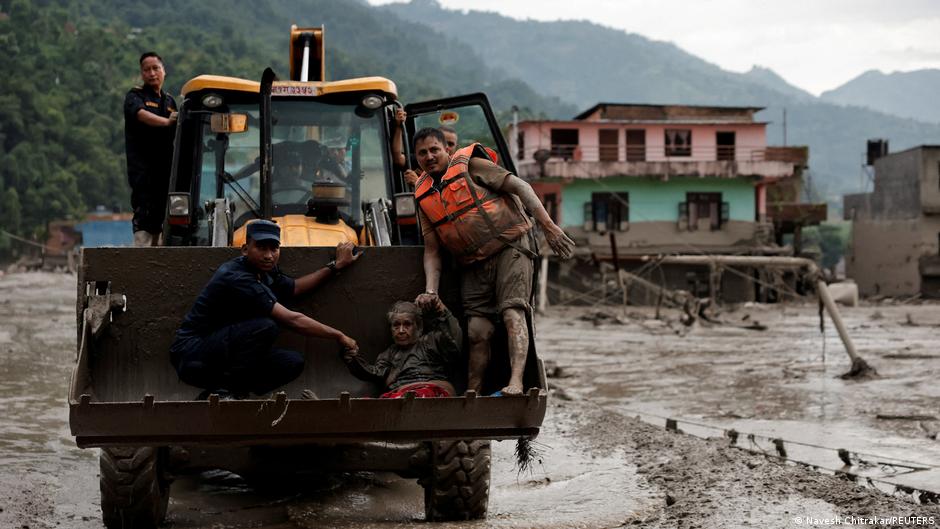
Nepal Floods Leave Over 50 Dead and Nearly 400 Missing Near Tibet Border
A catastrophic flash flood swept through the Himalayan border region between Nepal and China on August 26, 2026, leaving at least 55 people dead and 384 individuals missing, according to regional authorities and international reports from outlets like Deutsche Welle and Teletica. The disaster struck the village of Syabrubesi in the Rasuwa district, wiping out homes, trapping tourists, and overwhelming local infrastructure.
The Scale of the Disaster in the Rasuwa District
The sudden flood tore through the mountainous terrain after an apparent earthquake triggered an avalanche of ice and rock into the Lhende Khola river, according to reporting by Teletica. Syabrubesi serves as the primary gateway for the popular Langtang trekking route and acts as a vital transit point for travelers participating in the Hindu pilgrimage to Kailash Mansarovar. Out of the 384 people currently unaccounted for, preliminary registration data from the Nepal Tourism Office indicates that 291 are foreign nationals.
Police video footage from the Rasuwa district shows a violently swollen river consuming multiple residential structures. Local law enforcement confirmed that several police officers stationed in the affected zone are also out of contact.
Cross-Border Risks and Ongoing Alerts
The hydrological threat extends well beyond the immediate impact zone in Nepal. Emergency management teams have issued urgent warnings regarding a potential second flood wave, as a dangerous debris obstruction remains trapped upstream along the river system shared by Nepal and Tibet. Rivers descending from the Himalayas feed directly into the lowlands of neighboring India, prompting formal flood alerts across the Indian states of Bihar and Uttar Pradesh.

Managing the aftermath of such cross-border environmental catastrophes requires specialized administrative coordination.
As recovery teams battle adverse weather and unstable terrain to locate the missing, the immediate focus remains on reinforcing downstream defenses and monitoring upstream blockages to prevent further loss of life across the Himalayan foothills.