
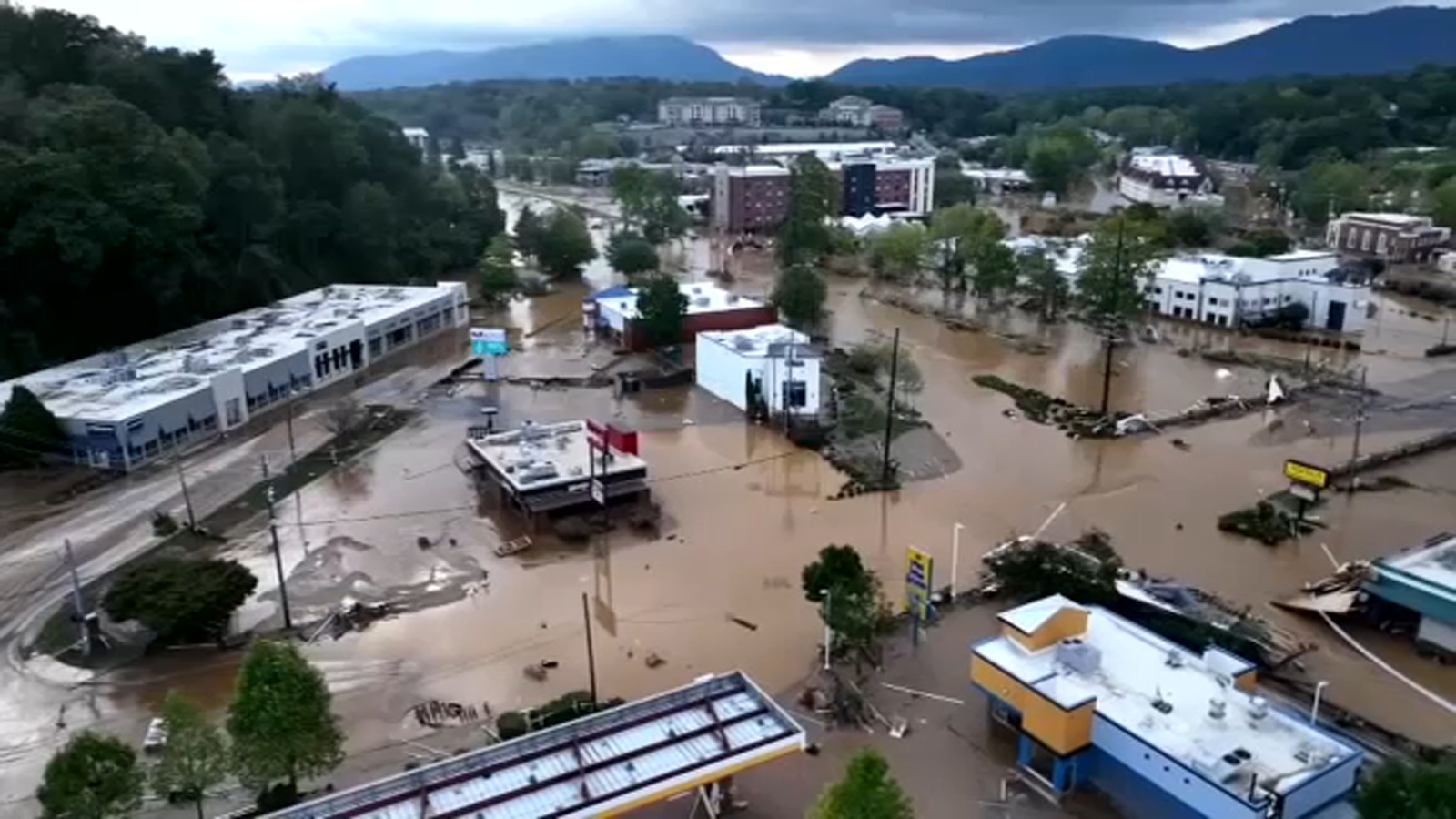
Raleigh, N.C. — North Carolina Governor Josh Stein announced $5.7 million in grants Monday to support flood mitigation projects in the French Broad River Basin, aimed at bolstering the region’s resilience following the devastation of Hurricane Helene. The funding, part of the state’s $96 million Flood Resiliency Blueprint Program, will be allocated to eight projects focused on restoring floodplains, improving water quality, and reducing the risk of future flooding.
The grants represent a significant investment in Western North Carolina’s recovery, more than a year after Helene caused catastrophic flooding across the region. According to Governor Stein, the projects are designed to “rebuild stronger and smarter to prepare for future storms,” protecting communities for generations to come. “These grants not only rebuild and restore the French Broad River Basin but also help protect the surrounding communities so generations of North Carolinians can live in safety,” Stein stated.
The Flood Resiliency Blueprint Program, established by the North Carolina General Assembly and the Department of Environmental Quality (DEQ) in 2021, provides funding for projects that limit the severity and extent of floods, enabling faster community recovery. This latest round of funding builds upon previous investments in the French Broad River Basin, adding to the $3.16 million awarded in 2024 and 2025. To date, the Blueprint has committed over $40 million to more than 80 projects statewide, addressing flood risks in the Cape Fear, French Broad, Lumber, Neuse, Tar-Pamlico, and White Oak river basins.
DEQ Secretary Reid Wilson emphasized the importance of the projects for communities impacted by Helene. “Communities throughout our mountains were devastated by Helene,” Wilson said. “These Flood Resiliency Blueprint projects will make communities less vulnerable to future flooding in the French Broad River Basin and will help save lives, homes, and businesses.”
The funded projects will focus on creating new floodwater storage capacity, restoring and reconnecting floodplains to their natural state, relocating infrastructure away from high-risk areas, and enhancing water quality throughout the basin. The state anticipates these measures will significantly reduce the impact of future storms and improve the long-term sustainability of the region.
The announcement was made during an event in Woodfin, North Carolina, highlighting the local impact of the funding. The state has not yet announced a timeline for the completion of the projects, but officials indicated that work will begin as soon as possible.
