
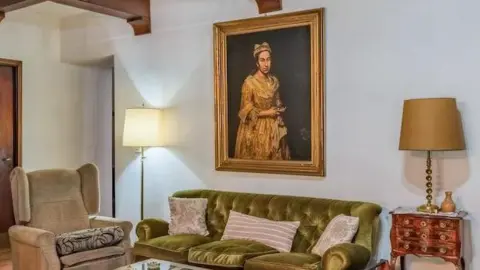
Search for Nazi-Looted Painting in Argentina Uncovers Potential Cache of Stolen Art
BUENOS AIRES, Argentina – A search for a painting looted by the Nazis during World War II has expanded to include the investigation of other potentially stolen artworks, Argentine authorities announced Tuesday. the initial search centered on a portrait of a lady, originally part of the collection of Amsterdam art dealer Jacques Goudstikker, forcibly sold after his death by the Nazis.
Patricia Kadgien and her husband are currently under house arrest and facing questioning for allegedly obstructing the investigation into the painting’s location. Prosecutors say the artwork has not yet been handed over, despite assurances of cooperation from the couple’s lawyer, carlos Murias. Thay are expected to be charged with “concealment of theft in the context of genocide” on Thursday. The Kadgiens claim they inherited the painting and are its rightful owners.
The investigation broadened after searches of four properties, including the home of Kadgien’s sister, revealed two paintings and a series of 19th-century drawings and engravings. These items are now being analyzed to determine if they were also stolen during the war.
the rediscovered portrait is listed on the Lost Art database, a resource for Nazi-looted art. Dutch newspaper Algemeen Dagblad (AD) reported evidence suggests the painting was removed from its location shortly after media reports about its reappearance, replaced with a different artwork. One of Kadgien’s sisters told AD she was unaware of what authorities were seeking.
The Goudstikker estate is actively pursuing the recovery of the painting. Peter Schouten of AD, who initially broke the story, confirmed the estate’s commitment to reclaiming the artwork. Marei von Saher, Goudstikker’s sole-surviving heir, stated her family “aims to bring back every single artwork robbed from Jacques’ collection, and to restore his legacy.” Von Saher recovered 202 pieces of Goudstikker’s collection in 2006.
Kadgien senior was a top adviser to Hermann Goring, a key figure in the Nazi regime responsible for the widespread plundering of art across occupied Europe. Some of Goudstikker’s works were recovered in Germany after the war and are now part of the Dutch national collection.
