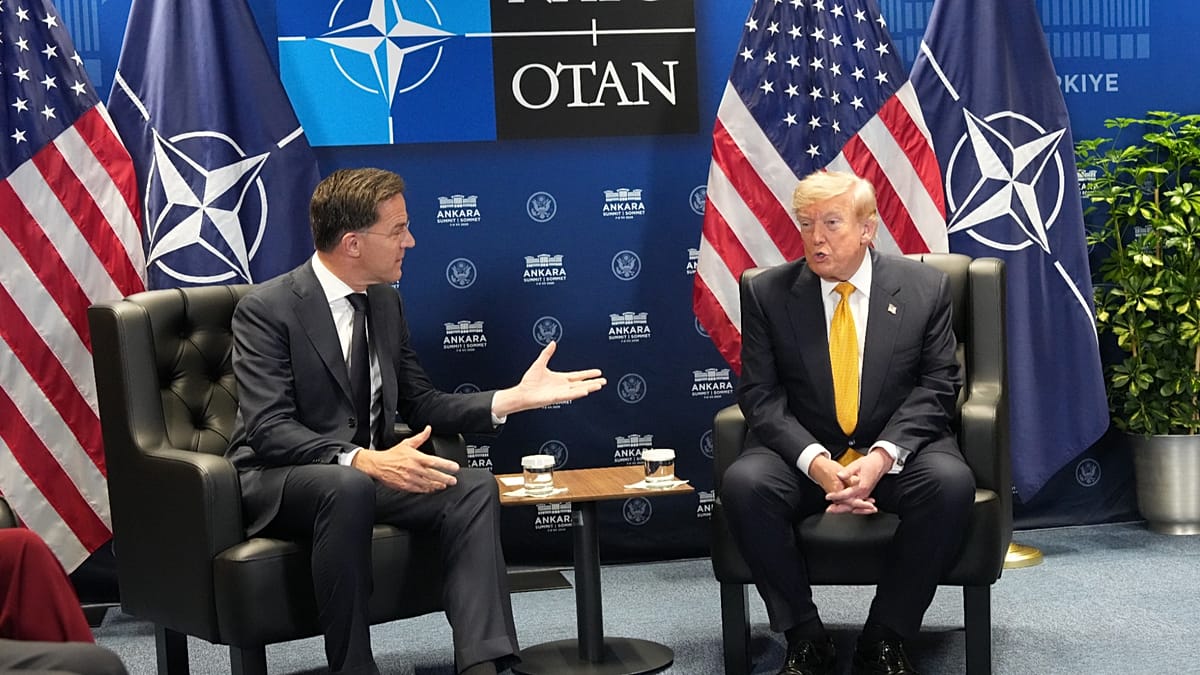
NATO Summit: Europe Takes Control of Its Own Defence
A Fractured Reaffirmation of Collective Defense
NATO leaders concluded their summit with a formal reaffirmation of the alliance’s mutual defense commitment. Yet, beneath the veneer of unity, member states signaled a strategic shift toward greater European autonomy. While the alliance maintained its stance on collective defense, the final hours of the gathering were marked by internal friction over the rhetoric and priorities of individual leaders.
The Push for European Military Sovereignty

European officials are accelerating the development of independent military capabilities. They seek a robust defense framework that functions alongside the NATO structure. According to reporting from Euronews, this push is driven by a consensus among several member states that the continent must be prepared to manage its own security requirements more effectively. This shift represents a long-term strategic adjustment intended to reduce reliance on external partners, though it continues to operate within the existing NATO institutional framework.
Erratic Diplomacy Meets Institutional Stability
The summit proceedings saw a sharp contrast between institutional stability and the unpredictable nature of individual member state participation. According to The Guardian, the final hours of the summit were characterized by a departure from standard diplomatic decorum, as the conduct of Donald Trump introduced an erratic element to the proceedings. Reports from The New York Times indicate that while other leaders focused on traditional policy alignment and the reaffirmation of Article 5 commitments, the summit was simultaneously shaped by competing visions of the alliance’s future role and the sustainability of current American engagement.
Ukraine’s Conflict as a Practical Test
The reaffirmation of the mutual defense vow comes against the backdrop of the ongoing war in Ukraine. Sky News reports that the conflict remains a central pressure point for the alliance, with Ukrainian officials continuing to highlight the intensity of Russian military actions. The drone strike capabilities and defensive challenges cited by Kyiv serve as a practical test for the security guarantees discussed by NATO leaders. The alliance continues to balance its support for Ukraine with the internal negotiations required to maintain the cohesion of the 32-member bloc.
Foundational Commitments and Future Logistics
The summit concluded without a departure from the foundational treaties governing the alliance. NATO leadership confirmed that the mutual defense pledge remains the bedrock of the organization’s activity. Despite public disagreements regarding funding contributions and the tone of diplomatic engagements, the official communique maintained the alliance’s commitment to collective security. Member states are now preparing for subsequent ministerial meetings to address the logistics of the defense initiatives discussed during the summit.