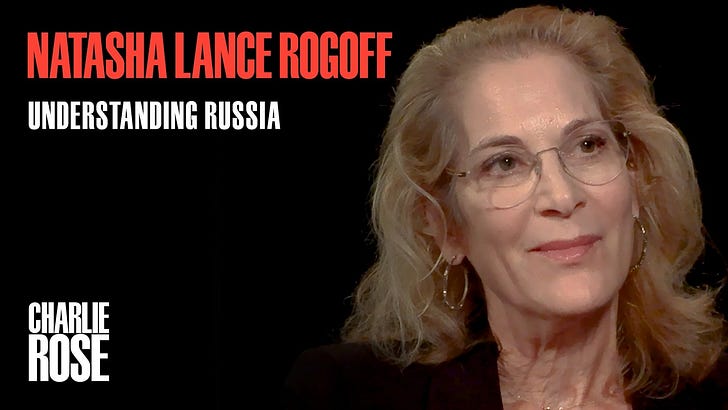
Natasha Lance Rogoff details producing Sesame Street in Russia
Natasha Lance Rogoff served as executive producer of Ulitsa Sezam, the Russian adaptation of Sesame Street, from 1993 to 1997, managing the complex translation of an American children’s program into a post-Soviet television format amidst political violence and cultural clashes, charlierose.substack.com reported.
Post-Soviet Television in 1993
Bringing a staple of American educational television into Russia at the end of the Cold War required navigating an unstable political and economic environment. The Children’s Television Workshop took notice of Lance Rogoff after she directed and produced Russia for sale, the rough road to capitalism, asking her to oversee the adaptation, according to charlierose.substack.com. Lance Rogoff brought reporting background to the production, having previously worked with NBC alongside Tom Brokaw and with PBS alongside Hedrick Smith on programs documenting the end of the Soviet Union.
The project operated against a backdrop of intense political volatility that ultimately touched the production team directly.
Political Violence Marked the Production of Ulitsa Sezam
The effort to produce Ulitsa Sezam was marked by extreme danger. The creators encountered political violence during the creation of the series, which included the assassination of Lance Rogoff’s Russian broadcast partners, charlierose.substack.com reported.
Adapting the beloved characters and educational framework meant balancing American educational television traditions with the stark realities of post-Soviet Russian society. Translating the program required following cultural norms during a period of massive societal upheaval.
Lance Rogoff Documented the History of the Show
Decades after the production wrapped in 1997, Lance Rogoff documented the turbulent history of the show. In 2022, she published her experiences in the book Muppets in Moscow: The Unexpected, Crazy, True Story of Making Sesame Street in Russia, detailing the nationality clashes, cultural differences, and political violence that accompanied the broadcast, according to charlierose.substack.com.
Additional details regarding her background in television news and documentary production across Russia, Ukraine, and the former Soviet Union for major networks including NBC, ABC, and PBS are outlined. Today, Lance Rogoff works as an associate in Harvard University’s Department of Art, Film and Visual Studies, exploring the intersection of technology, media, and education.
What remains entirely unrecorded in the available public record is how modern educational media producers approach similar geopolitical divides in regions currently experiencing acute state conflict and shifting information controls.