
NASA heat shield photo reveals Artemis 2 re-entry success
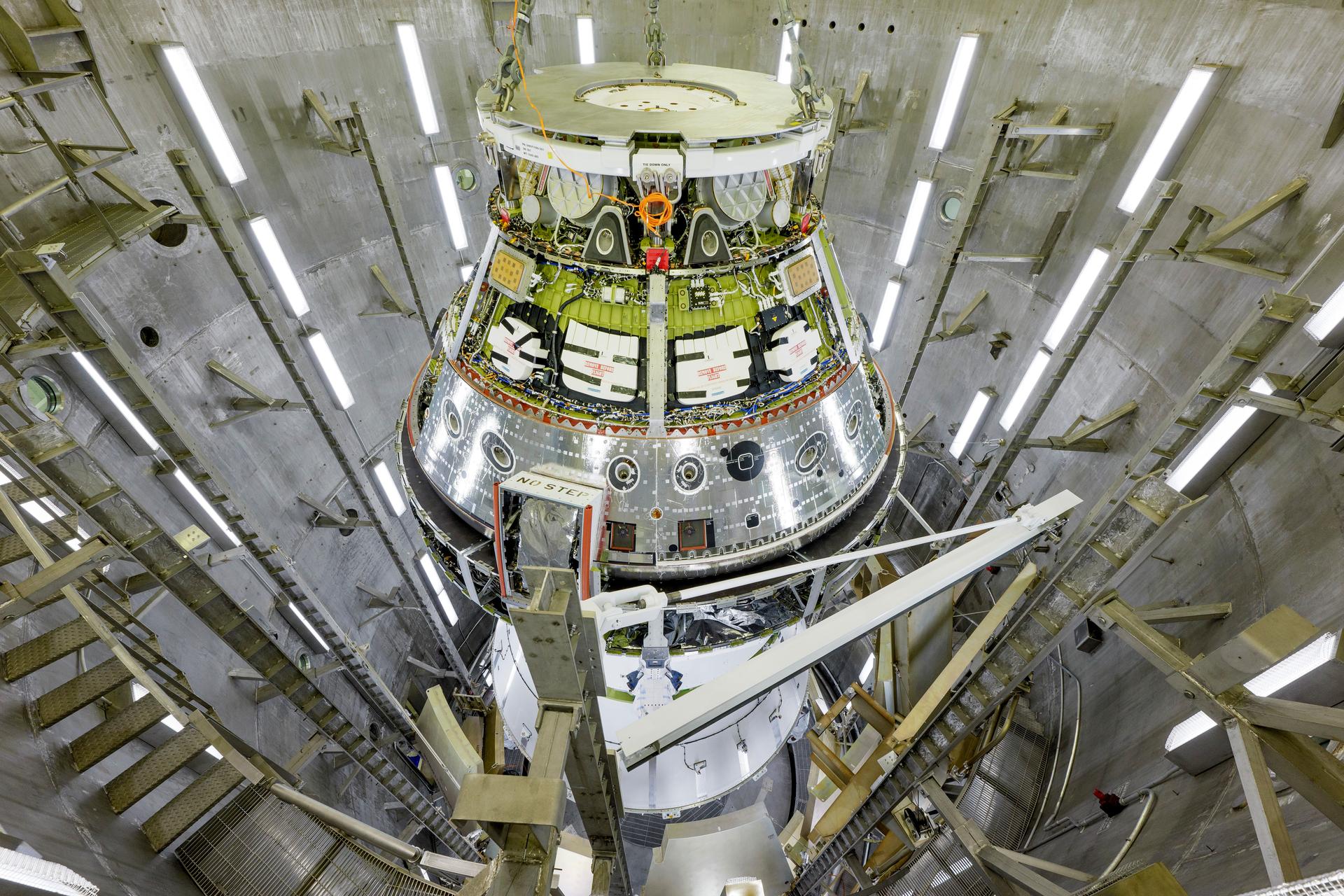
The photograph emerged unexpectedly. Against the deep blue of the Pacific Ocean, the Artemis 2 heat shield appears as a darkened, charred disc, its surface reflecting the faint light filtering through the water. Captured by U.S. Navy divers on April 10 as the Orion capsule was prepared for recovery aboard the USS *John P. Murtha*, the image quickly became a focal point for engineers and spaceflight observers. The shield, intact after enduring extreme re-entry temperatures, represents a key test of NASA’s modern spacecraft design.
This mission marked the first crewed lunar return since 1972. When the Artemis 2 astronauts—Reid Wiseman, Victor Glover, Christina Koch, and Jeremy Hansen—completed their journey, they demonstrated that NASA’s systems could replicate and build upon the achievements of Apollo. Their mission was not just a hardware test but a validation of the agency’s ability to bring humans safely home from deep space.
The Physics of Survival
The heat shield’s function is fundamental to crewed spaceflight. During re-entry, Orion compresses the air in its path, generating a plasma sheath that reaches temperatures exceeding 5,000 degrees Fahrenheit—hotter than the surface of Venus. The shield’s ablative material absorbs and dissipates this heat, gradually eroding to protect the crew module. This process, while well understood, remains a critical area of focus for NASA engineers.
Data from Artemis 1, the uncrewed test flight in 2022, revealed unexpected char loss in the shield. Investigators determined that trapped gases beneath the surface contributed to the issue. Engineers at NASA’s Ames Research Center revised their models and subjected shield materials to rigorous arc jet tests to simulate re-entry conditions. The Artemis 2 shield included embedded sensors to provide real-time data on temperature and pressure, offering insights that could either confirm the adjustments or necessitate further refinements.
The outcome of this analysis carries significant implications. Future missions, including the planned crewed lunar landing, depend on the shield’s performance. Before any landing attempt, NASA must first validate rendezvous and docking operations in Earth orbit, a critical step for integrating commercial landers into the Artemis architecture. The heat shield’s reliability is a prerequisite for these milestones, making its assessment a priority for the program’s progression.
What the Underwater Image Doesn’t Show
The photograph, while striking, captures only a fraction of the story. The visible scorching on the shield’s surface provides an initial indication of its performance, but the detailed analysis will take place in laboratories at Kennedy Space Center. Engineers will examine the shield’s layers, measuring char depth and comparing it to sensor data. They will assess the uniformity of ablation and inspect the 3D-MAT compression pads, which connect the crew module to the service module and must withstand both thermal and mechanical stress.
NASA has emphasized that the analysis is ongoing, with officials noting that conclusions are not yet final. The shield’s performance on Artemis 2 will directly inform the design of the one used for subsequent missions. If the results align with expectations, the program can proceed as planned. If not, adjustments may be necessary, potentially affecting the timeline for future launches. The schedule for upcoming missions is already ambitious, and any delays in validating the shield could have cascading effects.
For more on this story, see NASA’s Artemis 2 Mission: Returning to the Moon After 53 Years — Key Insights, iPhone 17 Pro Max Launch, Orion Heat Shield Test Success & Historic Earth Photos from Lunar Orbit.
The broader context of the Artemis program adds another layer of complexity. The initiative aims to establish a sustainable lunar presence, incorporating commercial partnerships such as those with SpaceX and Axiom Space. NASA has contracted Axiom to develop spacesuits designed for the lunar south pole’s extreme conditions, with testing planned in Earth orbit next year. The success of these suits, along with other commercial contributions, will be as critical to the program’s success as the heat shield’s performance.
The South Pole Looms
Artemis 3’s target landing site presents challenges unlike those faced during the Apollo missions. The lunar south pole is a region of extreme cold and permanent shadow, where temperatures can drop to -400 degrees Fahrenheit and ice deposits may exist in craters untouched by sunlight for billions of years. NASA has identified multiple candidate landing zones, each requiring a balance between scientific value, accessibility, and safety. The terrain is rugged, with steep slopes and uneven lighting that could complicate operations.
The spacesuits being developed by Axiom, known as AxEMU, are designed to address these conditions. They offer improved mobility, thermal regulation, and integrated camera systems to enhance astronaut operations. However, they have yet to be tested in a lunar environment. The first major trial will occur during Artemis 3’s Earth orbit rendezvous, which will also validate SpaceX’s Starship Human Landing System. This vehicle, still in development, will play a central role in the mission’s success. Any issues during testing could delay the program’s timeline.
The south pole’s environment underscores the technical hurdles facing Artemis. The program’s schedule, which includes a crewed lunar landing attempt in the coming years, reflects an ambitious timeline. The heat shield’s performance is just one of many factors that will determine whether NASA can meet its goals. Success will depend on the reliability of commercial partnerships, the robustness of engineering solutions, and sustained congressional support for a program that has already encountered budget and scheduling challenges.
This follows our earlier report, NASA Shares Rare Space Station Photos of Extraordinary Event.
The Unanswered Questions
The underwater image of the Artemis 2 heat shield captures a single moment in a complex engineering process, but it also raises questions that will take months to answer. How much material did the shield lose during re-entry? Were the revised models from Ames accurate? Did the 3D-MAT pads perform as intended? The answers will shape the trajectory of the Artemis program, determining whether it remains on schedule or faces additional delays.
The image also carries symbolic significance. The heat shield represents a link between the Apollo era and the Artemis program, bridging the gap between the last human missions beyond low Earth orbit and the next chapter of exploration. Its condition, once fully analyzed, will indicate whether NASA’s modern engineering can match the achievements of the past while advancing toward a sustainable lunar presence. It will also test the viability of the agency’s vision for collaboration with commercial and international partners.
The divers who photographed the shield were focused on their recovery mission, but the image they captured has become a powerful symbol of the challenges and opportunities in space exploration. It serves as a reminder of the extensive engineering, testing, and perseverance required to reach each milestone. More importantly, it signals that the most difficult phases of the Artemis program lie ahead.
What to Watch
NASA’s analysis of the Artemis 2 heat shield will be released in phases over the coming months. Initial reports, expected by mid-2026, will address the shield’s structural integrity and the performance of its ablative material. Subsequent updates will provide detailed insights from the embedded sensors, offering a comprehensive view of how the shield behaved during re-entry. These findings will influence the design of the shield for future missions and could impact the program’s timeline.
In parallel, Axiom Space will begin testing its AxEMU spacesuits in Earth orbit next year, a critical step before they are approved for lunar use. SpaceX’s Starship Human Landing System will also undergo a series of tests, including an uncrewed lunar landing attempt that could occur in the near future. Each of these milestones will bring the Artemis program closer to its goals—or reveal new challenges that may require additional time and resources to overcome.
The underwater image of the heat shield is a snapshot of a moment in progress, but the story it represents is still unfolding. The next chapter will begin when NASA releases its analysis. Until then, the shield remains a symbol of the program’s ambitions, its challenges, and the ongoing effort to return humans to the moon.