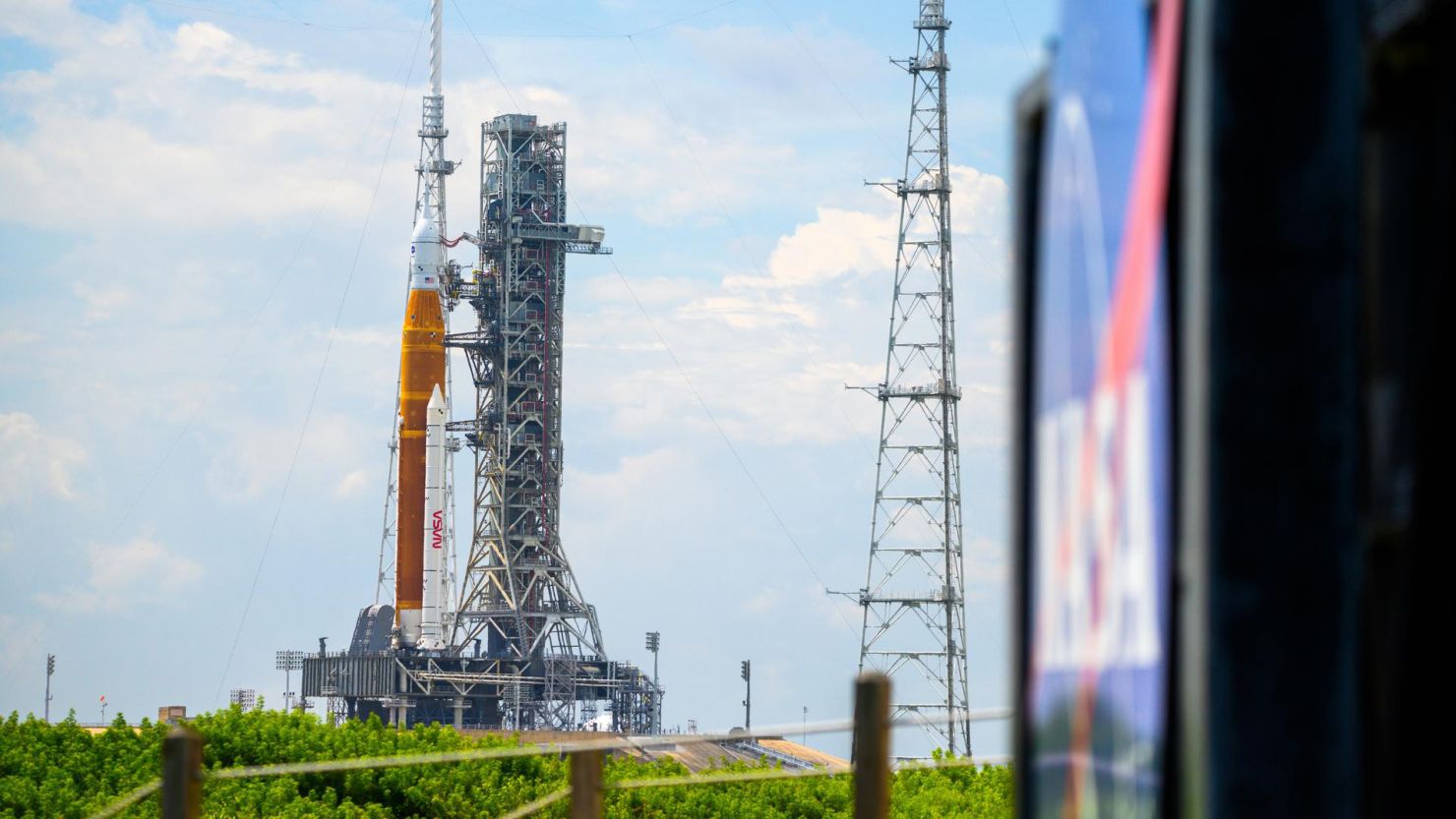
NASA delays Artemis III Moon landing to 2028 over lander hurdles
The Moon Base Dream Slips Further Away
The Artemis program was designed to move beyond the Apollo era, with NASA aiming to create a lasting human presence on the Moon as a stepping stone for deeper space exploration. The latest timeline revision, confirmed by agency officials in congressional testimony, underscores the distance between current progress and that ambition. The original 2025 target for Artemis III has been replaced with a more cautious projection, beginning with a late 2027 rendezvous and docking test in low-Earth orbit. A crewed landing is now expected no earlier than 2028.
During recent discussions, officials described receiving updates from SpaceX and Blue Origin rather than firm commitments. Both companies hold significant contracts to develop human-rated landers, yet neither has fully demonstrated the capabilities required for a lunar mission. Starship and Blue Moon represent a new generation of spacecraft—larger, more complex, and more ambitious than the Apollo lunar module. Critical systems, including life support, human-rated engines, and in-space refueling, remain unproven in the environments where they will be needed most.
The success of these landers is tied to broader objectives. NASA’s long-term plans depend on the ability to transport heavy payloads to the lunar surface at a sustainable cost. Officials have emphasized that the goal extends beyond a single landing, requiring vehicles that can support a permanent outpost. Without these capabilities, the Artemis program could face limitations, potentially reducing its scope to a series of isolated missions rather than a foundation for continuous exploration.
Taxpayers Foot the Bill—But Are They Getting Their Money’s Worth?
NASA’s Human Landing System (HLS) contracts with SpaceX and Blue Origin represent one of the most substantial public-private partnerships in space exploration. The agency has allocated billions to the effort, and officials have noted that both companies are investing additional resources. However, with no crewed landing expected before 2028, questions persist about the tangible returns on this investment.
The financial landscape adds further complexity. The White House’s proposed 2027 budget for NASA included a significant allocation, though lawmakers have indicated they may seek higher funding. The approved 2026 budget reflected a commitment to maintaining science programs that had faced proposed reductions. Even with this support, NASA is navigating competing priorities, as officials have described the need to deliver missions that are both cost-effective and technically viable. The Artemis III delay highlights the challenges of aligning these objectives.
For commercial partners, the financial outlook differs. SpaceX and Blue Origin are pursuing long-term opportunities, including lunar tourism and cargo delivery, with an eye toward eventual Mars missions. However, their timelines have also faced adjustments. Some industry observers have noted a shift in expectations, with recent assessments suggesting that Blue Origin’s uncrewed Blue Moon lander may reach the lunar surface ahead of SpaceX’s Starship. While these projections are not official forecasts, they reflect the evolving dynamics within the sector.
The relationship between public funding and private innovation remains central to Artemis. NASA is no longer developing its own landers but is instead relying on companies to meet its requirements. This model has succeeded in other areas, such as cargo and crew transport to the International Space Station, but the Moon presents unique challenges. The landers must operate in a more demanding environment, where precision and reliability are non-negotiable. While officials have acknowledged the companies’ progress, the delay raises questions about whether the commercial approach can fully deliver on NASA’s most ambitious objectives—or if the agency is navigating uncharted territory in its partnership strategy.
The Human Factor: Safety Can’t Be Rushed
Beyond the technical and financial considerations, a fundamental priority remains: the safety of astronauts. Earlier lunar missions included rigorous testing of critical systems, such as life support and docking, in low-Earth orbit. Artemis III will require similar, if not more extensive, demonstrations. However, unlike past programs where NASA controlled every component, the agency now depends on landers developed by private companies, each with its own development path.
For more on this story, see NASA Invites Media to Artemis III Moon Rocket Stage Rollout Event.
SpaceX’s Starship, for example, has yet to complete a successful orbital refueling test, a capability essential for lunar missions. Blue Origin’s Blue Moon lander has made progress in certain areas but still faces hurdles, including the development of a human-rated cockpit and flight controls. Neither company has provided detailed public updates on the status of these systems, leaving NASA and the public with limited visibility into their readiness.
Officials have indicated a cautious approach to the program’s next steps. The late 2027 rendezvous and docking test will serve as a critical milestone. Success could pave the way for a 2028 landing, while setbacks might necessitate a reassessment of the mission’s scope. One potential adjustment under consideration involves a less ambitious test, such as rendezvous and docking without an independent crewed flight of the lander. While this would reduce risk, it could also delay the program’s ultimate goal of establishing a sustainable human presence on the Moon.
The human dimension extends beyond safety. The delay means a longer wait for the first woman and the next man to walk on the lunar surface, as well as for the scientific discoveries that could emerge from sustained exploration. The south pole of the Moon, the planned landing site for Artemis III, is believed to contain water ice—a resource that could be vital for future missions. Each month of delay represents a delay in uncovering these potential insights.
What Happens Next: The Race to 2027
The coming year will be pivotal for both SpaceX and Blue Origin. For SpaceX, the focus remains on Starship’s development, particularly its in-space refueling capabilities. Progress has been made, but orbital refueling remains a significant technical challenge. Blue Origin, meanwhile, is preparing for an uncrewed landing near the Moon’s south pole with its Blue Moon cargo lander. Success in this endeavor would mark a major achievement, though it represents only one step toward a crewed mission.
NASA’s budget request, expected to be finalized soon, will also shape the program’s trajectory. Congress has already indicated its intent to maintain or increase funding for the agency’s science programs, but the final allocation will determine NASA’s flexibility in adjusting its plans. Officials have described the agency as being in a phase of evaluation, seeking ways to optimize missions for efficiency and cost. While this approach may reassure lawmakers, it also highlights the uncertainties surrounding Artemis.
- Starship’s next orbital test: SpaceX’s ability to demonstrate a successful launch and in-space refueling will be a major indicator of progress.
- Blue Origin’s uncrewed landing: A successful touchdown near the Moon’s south pole would signal that Blue Moon is advancing toward crewed missions.
- NASA’s budget finalization: The agency’s funding levels will influence how quickly the program can move forward.
- Life support and docking system updates: Any news from SpaceX or Blue Origin on the development of human-rated systems will provide critical insights into their readiness.
The delay of Artemis III underscores the complexities of modern space exploration. It serves as a test of whether NASA’s commercial partnerships can meet the agency’s ambitious goals. The vision of a lunar outpost remains alive, but it is further away than initially anticipated. As the program progresses, the pressure to demonstrate the value of both public and private investment will only grow.
This follows our earlier report, NASA Artemis II Mission Successfully Returns to Earth.
Why This Delay Matters Beyond the Moon
The Artemis III delay reflects broader challenges in public-private partnerships within the space sector. NASA’s shift toward commercial providers was intended to reduce costs and accelerate innovation, but the reality has proven more nuanced. SpaceX and Blue Origin are pushing the boundaries of technology, yet they are also confronting the same technical and logistical hurdles that have long defined space exploration.
The situation also highlights the evolving landscape of global space competition. Other nations are advancing their lunar programs, with plans to land astronauts on the Moon in the coming years. While NASA’s Artemis program remains the most ambitious effort to return humans to the lunar surface, delays provide opportunities for others to narrow the gap. The focus for NASA, however, remains on safety and sustainability—objectives that cannot be rushed.
For taxpayers, the delay serves as a reminder of the inherent risks in space exploration. The significant investment in NASA’s 2027 budget reflects a commitment to these goals, and the public deserves clarity on how these resources are being used. Officials have provided some reassurance, but the lack of detailed updates from SpaceX and Blue Origin leaves room for uncertainty. Are the companies on track? Are the landers ready? The answers will become clearer with the late 2027 test, but even then, the path to 2028 remains uncertain.
One certainty is that Artemis III represents more than a single mission. It is a proving ground for the future of lunar exploration. If NASA and its commercial partners can navigate the challenges ahead, the delay may ultimately be a minor setback. If not, it could reshape perceptions of America’s ambitions in space.