
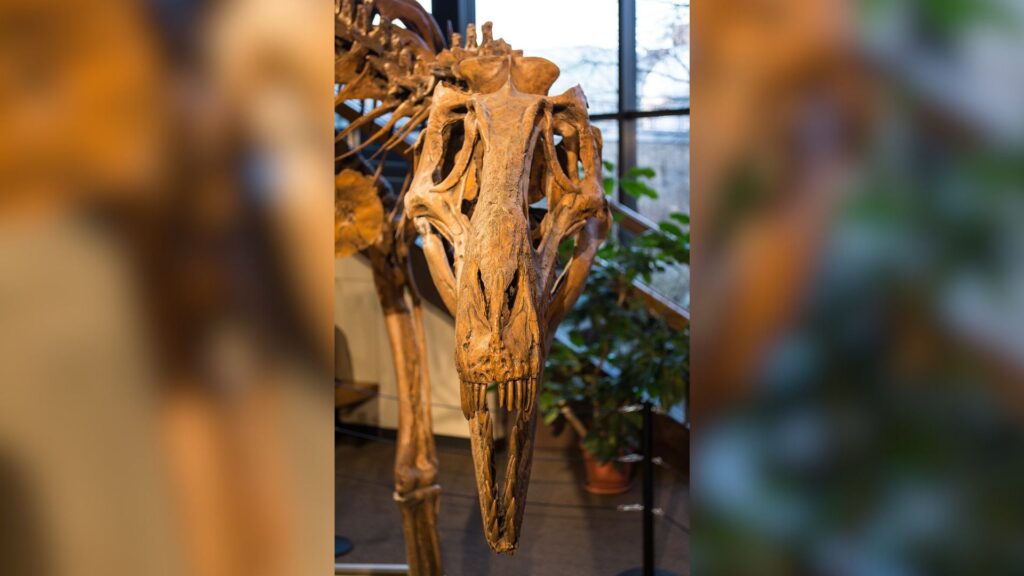
nanotyrannus Officially Recognized as Distinct Species, Resolving Decades-Long Debate
Paleontologists have definitively established Nanotyrannus as a unique genus of tyrannosaur, separate from the iconic Tyrannosaurus rex, ending a long-running controversy over whether the smaller fossils represented juvenile T. rex individuals. The landmark study, recently published, centers on a well-preserved holotype fossil - the first specimen used to describe the species – and confirms Nanotyrannus reached maturity at a considerably smaller size than its larger relative.
For decades, scientists debated whether Nanotyrannus was simply a young T. rex,with its smaller stature attributed to immaturity. This new research, however, demonstrates the fossil exhibits clear signs of maturity, proving it wasn’t a juvenile. The implications extend beyond taxonomic clarification, offering crucial insights into the paleoeocology of Late Cretaceous North America and the factors contributing to dinosaur extinction. Understanding the coexistence of these two carnivorous species-Nanotyrannus, reaching approximately 5 meters in length, and T.rex, averaging around 12 meters-will reshape our understanding of dinosaur ecosystems.
The holotype fossil serves as the foundational evidence for this conclusion. As defined by the Larousse dictionary, a holotype is “the reference individual which is the first of the species to have been described.” Professor Griffin, quoted in a press release, stated, “as this specimen is mature, it definitively proves that Nanotyrannus is distinct from Tyrannosaurus.”
This resolution opens new avenues of research into the ecological roles occupied by each species, the competitive pressures they faced, and how their interactions may have influenced their ultimate fates. The study’s findings are expected to spur further examination into the diversity of tyrannosaurs and the complex dynamics of prehistoric ecosystems.
