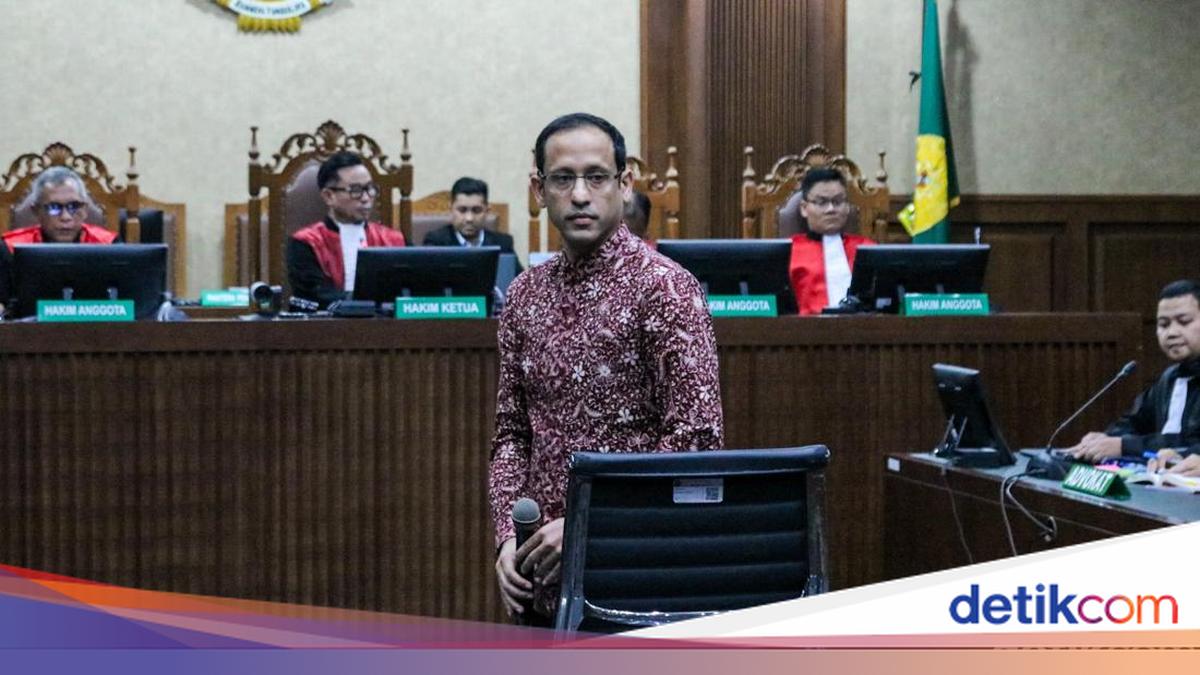
Nadiem Makarim Faces 18 Years Prison in Chromebook Corruption Case
Former Indonesian Education Minister Nadiem Anwar Makarim faces a demanded 18-year prison sentence following corruption allegations involving a state-funded Chromebook procurement program. Currently under house arrest in Jakarta on health grounds, the Gojek co-founder is accused of graft tied to the Ministry of Education’s digitalization initiatives.
The fall of Nadiem Makarim is more than a legal drama; This proves a collision between the “disruptor” ethos of Silicon Valley and the rigid, often perilous, machinery of Indonesian governance. For years, Makarim was the face of Indonesia’s digital leap, transitioning from the helm of Gojek to a cabinet position with the goal of modernizing the nation’s classrooms. Now, that same ambition is being framed by prosecutors as a vehicle for personal gain.
The core of the prosecution’s case rests on the procurement of Chromebooks and management software intended to bridge the digital divide in Indonesian schools. While the program was marketed as a democratic expansion of technology, the Attorney General’s Office (AGO) alleges it was a front for systemic graft.
The Digital Trail: Why 18 Years?
The severity of the 18-year sentence demand signals that prosecutors believe they have an airtight case. The focus has shifted from verbal testimonies to the permanence of data. Public Prosecutor Roy Riady made the prosecution’s stance clear during the proceedings, stating that while people can lie, electronic evidence does not.
This reliance on digital forensics suggests that the AGO has recovered communications or financial logs that directly link the former minister to the irregularities in the procurement process. For those navigating such high-stakes litigation, the role of corporate defense lawyers specializing in white-collar crime has become indispensable, as the battle is no longer fought with witnesses, but with metadata.
The prosecution’s demands include:
- A primary prison sentence of 18 years.
- Strict scrutiny of assets totaling Rp 4.8 trillion, which prosecutors are currently questioning.
- Accountability for a graft claim amounting to Rp 809 billion, a figure Makarim has vehemently denied.
The evidence is digital. The consequences are physical.
House Arrest and the Health Crisis
The legal proceedings have taken a surreal turn with Makarim’s transition from a detention center to residential custody. Presiding Judge Purwanto Abdullah granted the transfer on health grounds, as the former minister required surgery on May 13, 2026.

However, this is far from a luxury retreat. Under the terms set by the Jakarta Anti-Corruption Court, Makarim is subject to 24-hour surveillance and must wear an electronic tracking bracelet. Attorney General’s Office spokesperson Anang Supriatna confirmed that the transition to house arrest is strictly monitored, meaning Makarim cannot leave his residence without explicit permission from both judges and prosecutors.
This level of restriction is common in high-profile Indonesian corruption cases to prevent the tampering of evidence or communication with co-defendants. To manage the fallout of such restrictive legal measures, high-net-worth individuals often rely on wealth management experts to ensure their estates remain stable while the primary principal is incapacitated or detained.
“The use of electronic evidence in the Jakarta Anti-Corruption Court has fundamentally changed the defense strategy in graft cases. We are seeing a shift where the ‘paper trail’ is replaced by a ‘digital footprint’ that is nearly impossible to erase.”
Systemic Failure in Digital Procurement
The Chromebook scandal exposes a recurring problem in the Indonesian bureaucracy: the gap between rapid technological procurement and rigorous oversight. The Ministry of Education’s digitalization program was designed to be a flagship achievement, yet it became a liability.
This case highlights a desperate need for regulatory compliance consultants who can audit government contracts in real-time. When procurement happens at the speed of tech, traditional auditing often lags behind, creating “blind spots” that are easily exploited for graft.
The regional impact is significant. In provinces across Indonesia, thousands of students were promised these tools. The legal freeze on the program doesn’t just affect a former minister; it stalls the educational infrastructure of entire municipalities, leaving a void where digital literacy was supposed to grow.
For more context on the legal framework governing these crimes, the Attorney General’s Office of Indonesia provides the primary guidelines on how state losses are calculated in corruption trials.
Comparison of Allegations vs. Defense
| Point of Contention | Prosecution Claim | Defense Position |
|---|---|---|
| Graft Amount | Rp 809 Billion | Denied |
| Total Assets | Rp 4.8 Trillion (Questioned) | Legitimate Wealth |
| Evidence Base | Electronic/Digital Logs | Contesting Interpretation |
| Requested Sentence | 18 Years Imprisonment | Seeking Full Acquittal |
As the case progresses, the focus will likely shift toward the Rp 4.8 trillion in assets. In Indonesian corruption law, the ability to prove the legal origin of wealth is often the difference between a suspended sentence and a decade behind bars.

The tragedy of the Nadiem Makarim case is the irony of its catalyst. A man who built an empire on the efficiency of apps and digital payments is now being dismantled by the very same digital evidence he once championed. It serves as a stark warning to the new wave of technocrats entering public service: the transparency you demand from the system will eventually be applied to you.
As this trial unfolds in the Jakarta Anti-Corruption Court, it will set a precedent for how Indonesia handles the intersection of private tech wealth and public office. For those seeking to navigate the complexities of Indonesian law or secure their corporate interests against similar regulatory risks, finding verified professionals through the World Today News Directory remains the only way to ensure a defense built on fact, not hope.