
Malaysian Doctors Push Back Against Non-Medical Mandates
Medical Association Decries Government Overreach, Demands Action on GP Fees
The Malaysian Medical Association (MMA) is vehemently opposing recent reports suggesting non-medical bodies are dictating practices within private healthcare. Concerns are mounting over the National Action Council on Cost of Living (NACCOL) potentially mandating itemised billing and prescription requirements, which the MMA states are already standard practice and protected by existing medical laws.
Existing Patient Rights Undisputed
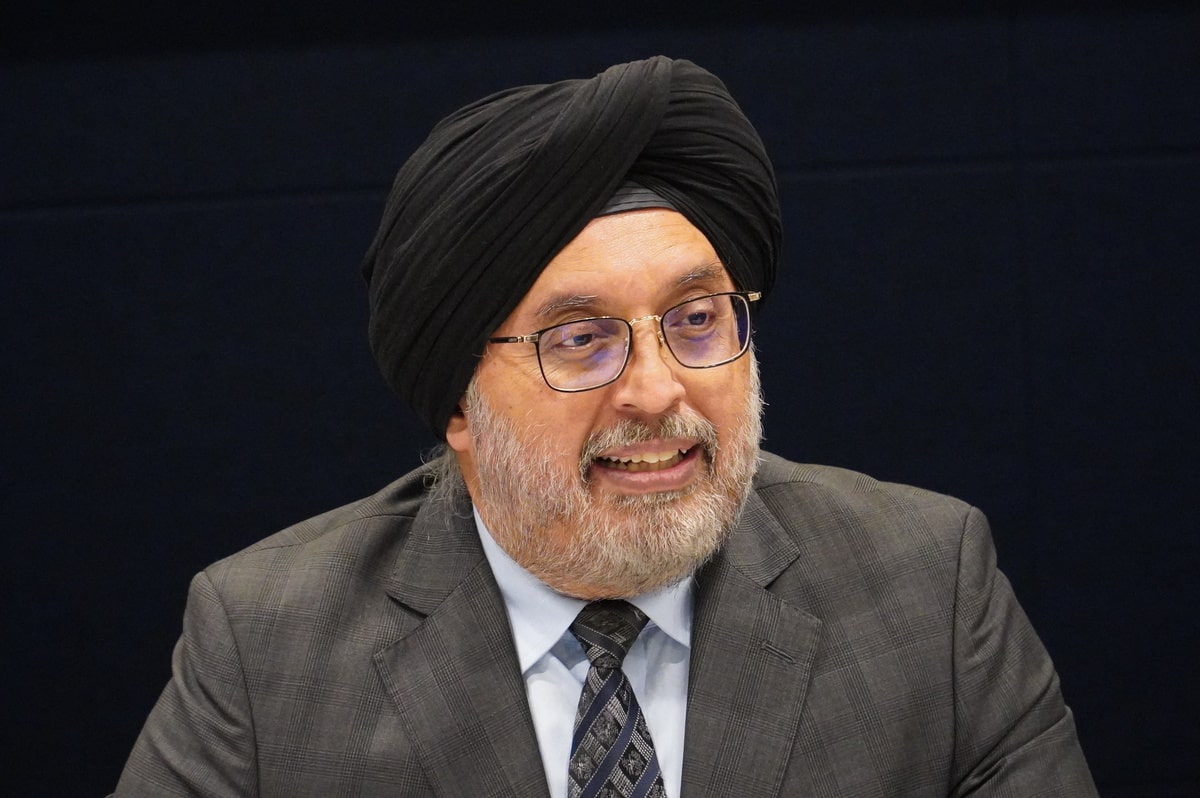
MMA president, Dr Kalwinder Singh Khaira, clarified that itemised billing is a current practice in private clinics, aligned with the Private Healthcare Facilities and Services Act 1998. Similarly, prescription provision is governed by the Poisons Act 1952 and the Guidelines for Good Dispensing Practice, requiring doctors to issue them upon patient request post-consultation.
The association is urging the Health Minister and the Ministry of Health (MOH) to safeguard the medical profession’s integrity and autonomy. They assert that healthcare regulation must remain solely under the MOH’s jurisdiction, free from interference by non-medical acts or other ministries. Policy decisions, they stress, must be driven by medical expertise and professional standards.
“MMA firmly believes that any policy changes affecting clinical practice must be centred around enhancing patient care, safety, and access, not administrative overreach.”
—Dr Kalwinder Singh Khaira, President, Malaysian Medical Association
Urgent Call to Address Stagnant GP Fees
A significant point of frustration for the MMA is the prolonged inaction on revising general practitioner (GP) consultation fees, which have remained static for 34 years. Despite repeated appeals to NACCOL, the MOH, and various government levels, no definitive decision has been made.
This critical issue impacts the sustainability of primary care services provided by GPs. The MMA warns that over-regulation and undue pressure on general practice could have severe consequences for GPs and the nation’s primary healthcare ecosystem. The potential closure of GP clinics would inevitably shift the burden to public healthcare facilities, exacerbating patient backlogs. As of 2023, the average cost of living in Malaysia has increased by 5.3% compared to the previous year, highlighting the financial strain on essential services (Statista, 2023).
The association contends that effective health care regulation should foster trust between patients and doctors and support a robust primary care system, rather than imposing administrative burdens.
