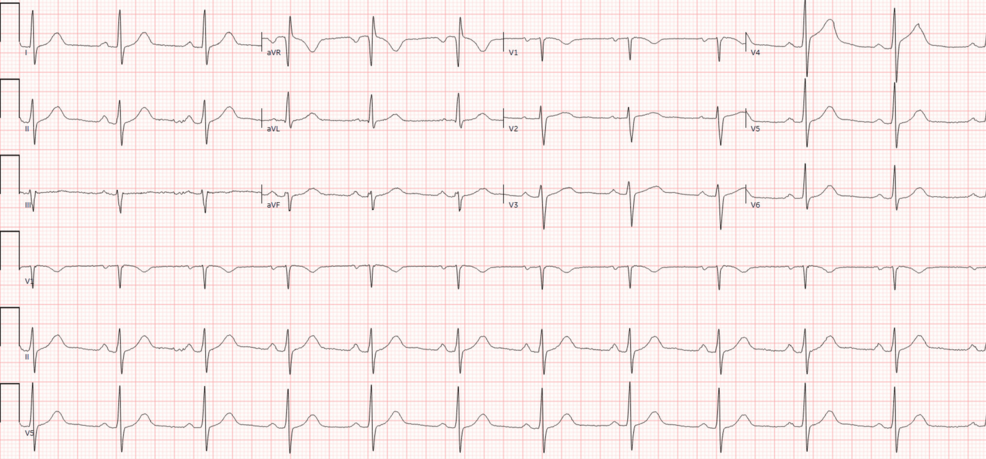
Multiorgan Toxicity From Rifapentine and Isoniazid Therapy: A Case Report
A recent case report published in Cureus details a rare instance of multiorgan toxicity in a patient undergoing treatment for latent tuberculosis infection (LTBI) with a 12-week regimen of weekly rifapentine and isoniazid (3HP). While the 3HP regimen is widely recognized as a shorter, highly effective alternative to daily isoniazid monotherapy, clinicians are advised to maintain vigilance for idiosyncratic drug reactions that can manifest as systemic organ impairment.
Key Clinical Takeaways:
- The 3HP regimen (rifapentine and isoniazid) is a standard, evidence-based treatment for latent tuberculosis, but rare adverse events involving multiorgan systems can occur.
- Clinicians should prioritize early recognition of symptoms such as jaundice, rash, or malaise, which may indicate hepatic or hematologic involvement.
- Systemic toxicity, though rare, requires immediate cessation of the causative agents and supportive care, highlighting the necessity for baseline and follow-up clinical monitoring.
Clinical Context and Pathogenesis of Rifapentine-Isoniazid Therapy
The transition toward short-course regimens for LTBI, such as the 3HP protocol, has significantly improved patient adherence compared to traditional nine-month isoniazid courses. According to guidelines from the Centers for Disease Control and Prevention (CDC), the 3HP regimen is recommended for individuals aged two years and older. The pharmacological mechanism involves the synergistic action of rifapentine—a long-acting rifamycin—and isoniazid. Despite its established safety profile in large-scale clinical trials, the interaction between these potent antimycobacterials and individual metabolic pathways can occasionally lead to idiosyncratic immune-mediated responses.
In the documented case, the patient developed symptoms indicative of acute systemic distress shortly after the initiation of therapy. The presentation of multiorgan toxicity, including liver enzyme elevation and hematological abnormalities, underscores the importance of differential diagnosis in patients presenting with systemic illness during TB prophylaxis. As noted by infectious disease specialists, the metabolism of isoniazid via N-acetyltransferase 2 (NAT2) and the induction of cytochrome P450 enzymes by rifapentine create a complex metabolic environment that may predispose specific patients to adverse drug reactions.
The Role of Vigilance in Preventive TB Care
While the Cureus report highlights a severe reaction, it remains an outlier compared to the broader statistical safety data. The risk of hepatotoxicity associated with isoniazid is well-documented, but the addition of rifapentine necessitates a broader scope of monitoring. For patients beginning this regimen, clinical oversight is essential. Those who experience persistent fatigue, nausea, or abdominal pain should seek immediate consultation with a board-certified infectious disease specialist to determine if the symptoms are treatment-related or indicative of an underlying pathology.
“The rarity of such events should not deter the use of high-efficacy short-course regimens, but it does mandate that providers educate patients on the signs of systemic intolerance,” states a consultant in internal medicine. “Early intervention and drug withdrawal are the primary strategies for preventing the progression of drug-induced systemic injury.”
Navigating Diagnostic and Compliance Hurdles
For healthcare facilities and public health clinics, the management of LTBI is a balance of maximizing treatment completion rates while mitigating potential morbidity. The regulatory framework surrounding TB treatment requires rigorous adherence to testing protocols, including baseline liver function tests for patients with specific risk factors. Organizations managing large-scale TB screening programs often retain healthcare compliance consultants to ensure that treatment protocols align with the latest clinical evidence and reporting requirements.
Furthermore, the diagnostic complexity of drug-induced multiorgan toxicity requires access to sophisticated laboratory infrastructure. Patients requiring specialized diagnostic evaluation for drug-related adverse effects should be directed to comprehensive diagnostic centers capable of performing rapid metabolic and autoimmune panels to confirm or exclude alternative etiologies.
Future Trajectory of LTBI Research
As global health initiatives continue to prioritize the elimination of tuberculosis, the focus remains on refining prophylactic regimens to minimize toxicities while maintaining high efficacy. Current research is increasingly focused on identifying genetic biomarkers that may predict which patients are at a higher risk of developing idiosyncratic reactions to rifamycins. By integrating pharmacogenomic testing into the pre-treatment workup, the medical community aims to transition toward a more personalized approach to TB prevention. Until such tools are standardized, clinical judgment and patient education remain the most effective defenses against the rare but serious complications of standard-of-care TB therapy.
Disclaimer: The information provided in this article is for educational and scientific communication purposes only and does not constitute medical advice. Always consult with a qualified healthcare provider regarding any medical condition, diagnosis, or treatment plan.