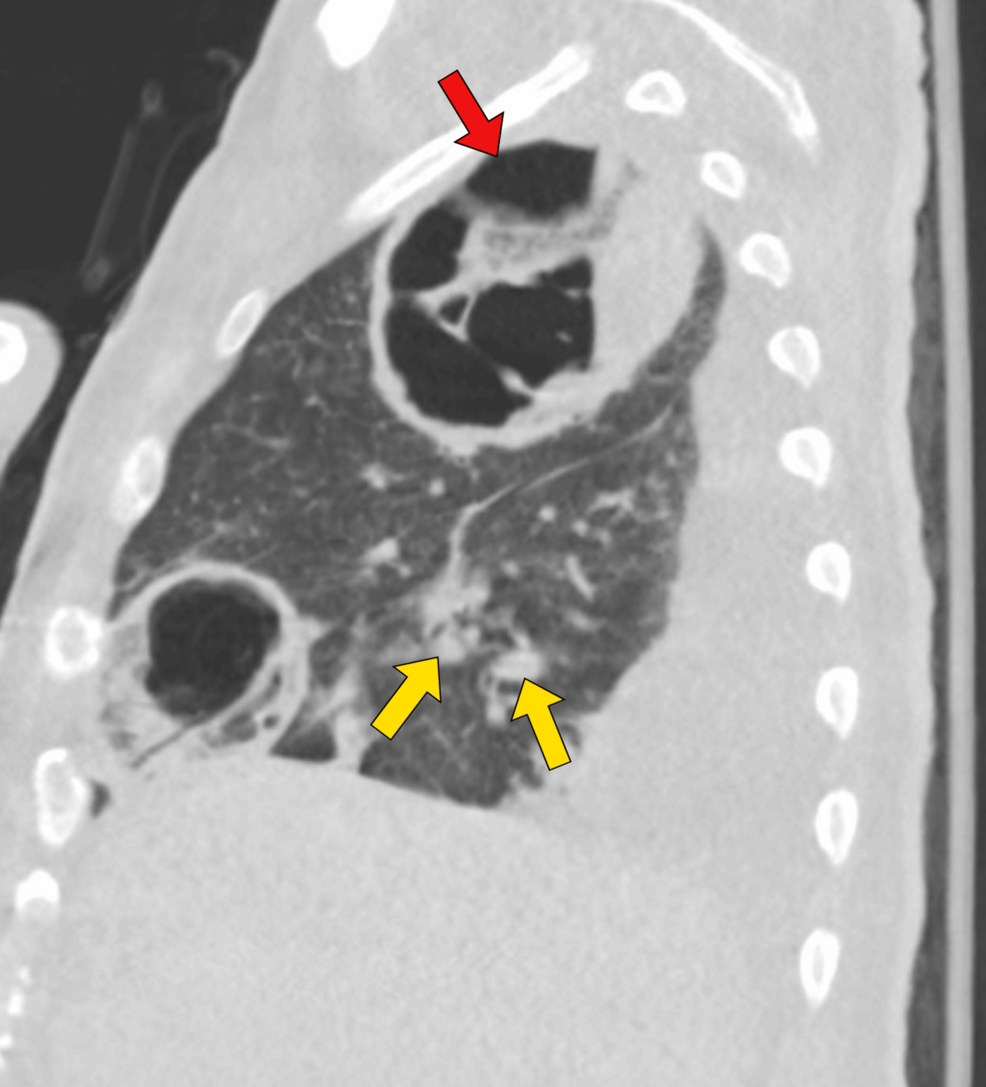
Isolated Pulmonary Mucormycosis in Immunocompetent Patient: A Rare Case Report
Pulmonary mucormycosis, a severe invasive fungal infection typically associated with immunocompromised states, has been identified in an increasing number of immunocompetent patients, presenting a significant diagnostic challenge for clinicians. A recent case report published in Cureus highlights the clinical trajectory of this condition, emphasizing that the absence of rhinocerebral involvement does not preclude a diagnosis of pulmonary mucormycosis. This rare clinical presentation necessitates heightened clinical suspicion to mitigate high mortality rates, which frequently exceed 50% in reported cases.
Key Clinical Takeaways:
- Pulmonary mucormycosis can manifest in patients without traditional risk factors such as diabetes or hematological malignancy, complicating early diagnosis.
- Clinical symptoms, including hemoptysis and pleuritic chest pain, are often non-specific and may be misidentified as community-acquired pneumonia.
- Prompt identification via bronchoalveolar lavage and aggressive treatment with antifungal agents like amphotericin B are essential to preventing fatal outcomes.
Diagnostic Hurdles in Immunocompetent Patients
Mucormycosis is an opportunistic infection caused by fungi within the order Mucorales, including Absidia, Rhizopus, and Mucor species. While these organisms are ubiquitous soil saprophytes, their aerosolized sporangiospores can enter the respiratory tract, leading to invasive disease. Pulmonary involvement is the third most common presentation of the infection. The hallmark of the disease is rapid tissue necrosis, thrombosis, and vascular invasion.
In the specific case of a 32-year-old male patient, initial symptoms—cough, chest pain, and blood in the sputum—mimicked common respiratory infections. The patient was initially managed for community-acquired pneumonia before bronchoalveolar lavage fluid cultures identified the pathogen as Absidia. This diagnostic delay is common; because the infection is rare in the immunocompetent, clinicians may not prioritize fungal pathogens in their initial differential diagnosis.
Pathogenesis and Clinical Management
The pathogenesis of pulmonary mucormycosis involves the inhalation of fungal spores, which, in a susceptible host, germinate into hyphae that invade pulmonary blood vessels. This angioinvasion leads to infarction and tissue death. While immunocompromised individuals are at the highest risk, the Cureus report underscores that the infection’s aggressive nature remains constant regardless of the host’s immune status. The mortality rate remains a primary concern for the medical community, as the infection is notoriously difficult to contain once it progresses to the parenchymal tissues.
Treatment protocols for invasive mucormycosis generally rely on systemic antifungal therapy, most notably amphotericin B. The success of this regimen is highly dependent on the timing of initiation.
Future Trajectories in Fungal Disease Research
The rarity of isolated pulmonary mucormycosis in the immunocompetent makes large-scale clinical trials difficult to execute, yet systematic reviews are providing the necessary evidence base to guide clinical judgment. Clinicians are encouraged to maintain a high index of suspicion for patients who fail to respond to standard antibacterial therapy for pneumonia.
For medical facilities and practitioners, managing the risk of misdiagnosis requires a robust integration of diagnostic imaging and infectious disease consultation. The goal remains to shorten the interval between the onset of symptoms and the initiation of targeted antifungal therapy, thereby improving patient survival rates in these challenging cases.
Disclaimer: The information provided in this article is for educational and scientific communication purposes only and does not constitute medical advice. Always consult with a qualified healthcare provider regarding any medical condition, diagnosis, or treatment plan.