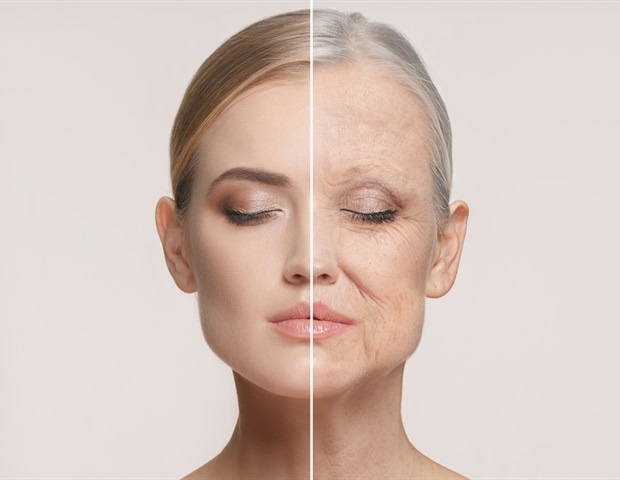
Multifloral Honey Protects Skin from UV Damage and Aging
Recent investigations into the photoprotective properties of multifloral honey suggest that its complex chemical composition may mitigate ultraviolet (UV) radiation-induced cellular damage. Researchers assessing the antioxidant and anti-inflammatory capacity of various honey types have identified specific phenolic compounds that appear to bolster skin cell resilience against oxidative stress and premature senescence. This research, while currently confined to laboratory-based models, provides a foundation for exploring natural adjuncts in dermatological photoprotection.
Key Clinical Takeaways:
- Multifloral honey demonstrates a capacity to neutralize reactive oxygen species (ROS) generated by UV exposure, potentially reducing DNA damage in fibroblasts.
- Specific phenolic acids and flavonoids within the honey matrix are identified as the primary agents responsible for inhibiting collagen-degrading enzymes.
- Clinical application remains in the experimental stage; current findings do not replace standard-of-care sunscreens or established dermatological photoprotective protocols.
Biological Mechanisms of Photoprotection
The pathogenesis of photoaging is fundamentally linked to the overproduction of free radicals following UV-B and UV-A irradiation. According to findings published in the journal Antioxidants, the application of multifloral honey extracts to human dermal fibroblasts resulted in a measurable downregulation of matrix metalloproteinases (MMPs). MMPs are enzymes known to break down collagen and elastin, the structural proteins essential for skin integrity. By inhibiting these enzymes, the honey extracts preserve the extracellular matrix, effectively slowing the biological markers of premature aging.
The efficacy of these compounds is highly dependent on the floral source. Multifloral honey, which contains a broader spectrum of phytochemicals compared to monofloral varieties, exhibits a synergistic effect. “The diversity of phenolic profiles in multifloral samples allows for a multi-targeted approach to oxidative stress,” notes Dr. Elena Rossi, an independent researcher in dermatological pharmacology. This chemical complexity serves to stabilize the cellular redox balance, preventing the cascade of inflammation that typically follows prolonged UV exposure.
Clinical Context and Research Limitations
While the laboratory data are compelling, the jump from in vitro studies to clinical practice requires significant caution. The current body of evidence lacks the rigor of double-blind, placebo-controlled human trials. Dermatologists emphasize that while natural antioxidants are beneficial, they cannot replicate the broad-spectrum coverage provided by FDA-approved mineral and chemical filters. Patients seeking to manage solar lentigines or chronic photo-damage should prioritize evidence-based interventions.
For individuals navigating complex dermatological concerns, such as persistent photodermatitis or early-stage actinic keratosis, self-directed topical applications are rarely sufficient. It is imperative to consult with [Relevant Board-Certified Dermatologist] to establish a baseline for skin health and to discuss the integration of high-grade, clinically validated antioxidants into a comprehensive skin care regimen.
Regulatory and Safety Considerations
Research into the therapeutic applications of honey is often supported by national agricultural research councils and university-based grants focused on apiculture and pharmacology. These studies must adhere to strict purity standards to ensure that the honey used is free from environmental contaminants, such as heavy metals or pesticide residues, which could exacerbate skin irritation rather than soothe it. The lack of standardized concentrations for topical honey use presents a significant hurdle for clinical integration.
Practitioners must remain wary of the distinction between food-grade honey and medical-grade products. Medical-grade honey, sterilized via gamma irradiation, is specifically formulated for wound care and differs significantly from commercial products found in grocery outlets. Engaging with [Relevant Medical Supply and Pharmacy Services] ensures that patients utilize products that meet the safety profiles required for human tissue application. Furthermore, patients with known allergies to bee products or pollen must exercise extreme caution, as the risk of contact dermatitis or systemic hypersensitivity remains a contraindication for topical use.
Future Trajectories in Dermatological Science
The future of this research lies in identifying the precise bioavailability of honey-derived polyphenols when applied to the stratum corneum. Ongoing studies are investigating whether these compounds can effectively penetrate the lipid barrier to reach the deeper layers of the dermis where UV-induced damage is most severe. As the clinical landscape evolves, the objective remains the identification of potent, natural, and low-cost adjunctive therapies that can augment the standard of care.
Patients interested in exploring emerging, science-backed treatments for skin aging or those seeking professional assessment for sun-damaged skin are encouraged to review the clinical profiles of providers available through [Relevant Specialized Skin Care Clinic]. Professional guidance remains the standard for addressing the complexities of dermal health in an era of increasing environmental stressors.
Disclaimer: The information provided in this article is for educational and scientific communication purposes only and does not constitute medical advice. Always consult with a qualified healthcare provider regarding any medical condition, diagnosis, or treatment plan.