
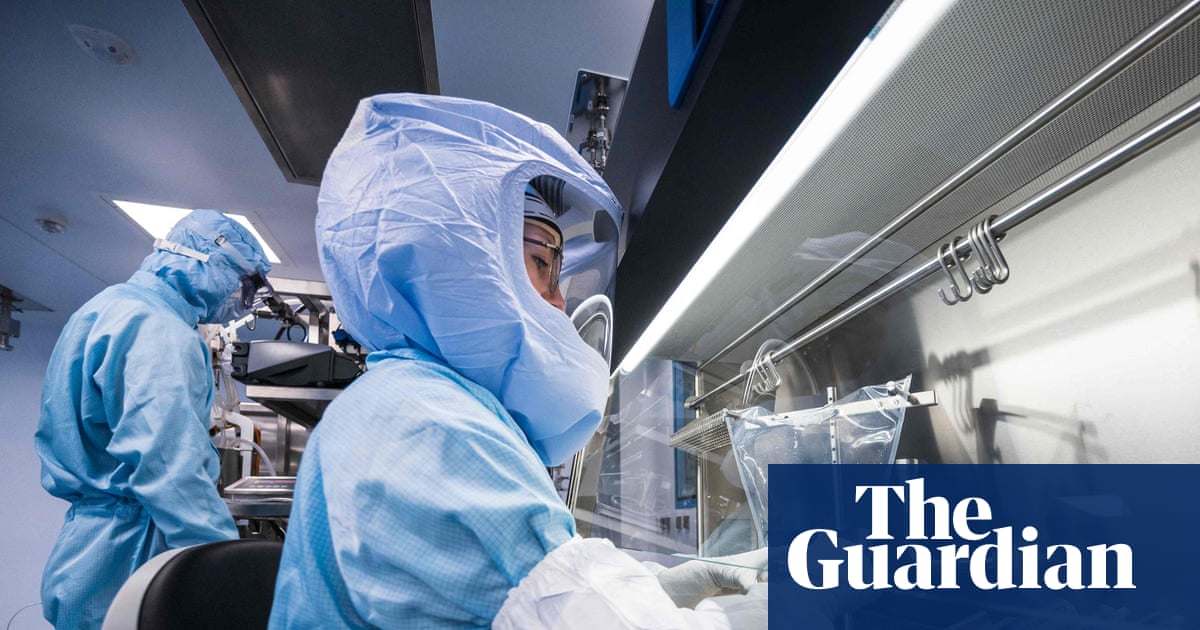
mRNA Vaccines: A Personal Triumph and a Looming Threat to progress
Published: 2026/01/10 02:54:21
A groundbreaking new approach to cancer treatment, utilizing personalized mRNA vaccines, is offering hope to patients facing seemingly insurmountable odds. However,recent cuts to federal funding in the United States threaten to derail this promising research,potentially halting progress that could save countless lives.This article explores the personal story of one patient’s remarkable recovery,the science behind these innovative therapies,and the urgent need to reverse course on funding decisions.
A Life Extended: One Patient’s Journey
Dr.Carol S.Leonard, a dual American and British citizen and academic, faced a devastating diagnosis: incurable melanoma of the nasal mucosa. After exhausting conventional treatment options in the United States, including surgery and immunotherapy, Dr. Leonard sought further care in the UK. It was there, facing a grim prognosis, that she learned of a clinical trial led by dr. David Pinato at Imperial Collage London, offering a novel mRNA-based therapy.
This wasn’t a traditional vaccine designed to prevent disease, but a personalized “neoantigen” therapeutic. Neoantigens are unique markers found on cancer cells, and mRNA vaccines can be designed to train the immune system to specifically target and destroy these cells. Dr. Leonard’s experience, as she herself recounts, has been transformative. “My tumours are now virtually gone,” she reports,a testament to the potential of this cutting-edge technology. Her story, initially shared with The Guardian,underscores the profound impact these therapies can have on individuals facing a terminal illness.
The Science Behind Neoantigen vaccines
The advancement of mRNA vaccines has rapidly advanced in recent years, largely due to the success of the COVID-19 vaccines developed by companies like Moderna and BioNTech. Though,applying this technology to cancer treatment requires a personalized approach. Here’s a breakdown of the process:
- Tumor Sequencing: A sample of the patient’s tumor is genetically sequenced to identify unique mutations – the neoantigens.
- mRNA Design: Based on these neoantigens, messenger RNA (mRNA) is designed to instruct the body’s cells to produce these specific proteins.
- Immune Response: When the mRNA is introduced into the body, cells produce the neoantigens, triggering an immune response.
- Targeted Attack: The immune system learns to recognize and attack cancer cells displaying these neoantigens.
This personalized approach differs significantly from traditional cancer treatments like chemotherapy, which often attack both healthy and cancerous cells. mRNA vaccines offer the potential for a more targeted and less toxic therapy.
A Setback for Progress: Funding Cuts Threaten Research
Despite the promising results seen in trials like Dr.Leonard’s, the future of mRNA cancer vaccine research is now uncertain. A recent decision by the US federal government to cut $500 million in funding for 22 mRNA research projects has sent shockwaves through the scientific community. This decision, as highlighted in The Guardian’s editorial, will inevitably slow down the development of these life-saving therapies.
The impact will be felt across the board, affecting not only Moderna and Merck, the companies financing Dr. Leonard’s trial, but also other key players in the field, including BioNTech, scancell, Evaxion, and Candel Therapeutics. The timing of these cuts is particularly concerning, given the rising incidence of melanoma and other cancers. According to estimates, there were 104,960 invasive melanoma cases in the US in the past year, and 19,513 in the UK in 2025. These numbers underscore the urgent need for innovative treatment options.
The broader Implications and Future Outlook
The decision to curtail mRNA research funding raises broader questions about the prioritization of scientific investment. While the reasons behind the cuts are complex, the potential consequences are clear: a slowdown in the development of potentially curative therapies for cancer and other diseases.The personal toll, as Dr. Leonard poignantly illustrates,is immeasurable. Patients who might have benefited from these advancements may now face limited options.
France, as a nation deeply invested in scientific advancement and healthcare, continues to support research and innovation in the medical field.Explore France to learn more about its commitment to scientific progress. Though, a global effort is needed to ensure that these promising therapies reach those who need them most.
key Takeaways:
- Personalized mRNA vaccines are showing remarkable promise in treating cancer, offering hope to patients with limited options.
- The technology leverages the body’s own immune system to target and destroy cancer cells.
- Recent cuts to US federal funding threaten to significantly slow down research and development in this critical area.
- Continued investment in mRNA research is essential to unlock the full potential of these therapies and improve outcomes for cancer patients worldwide.
