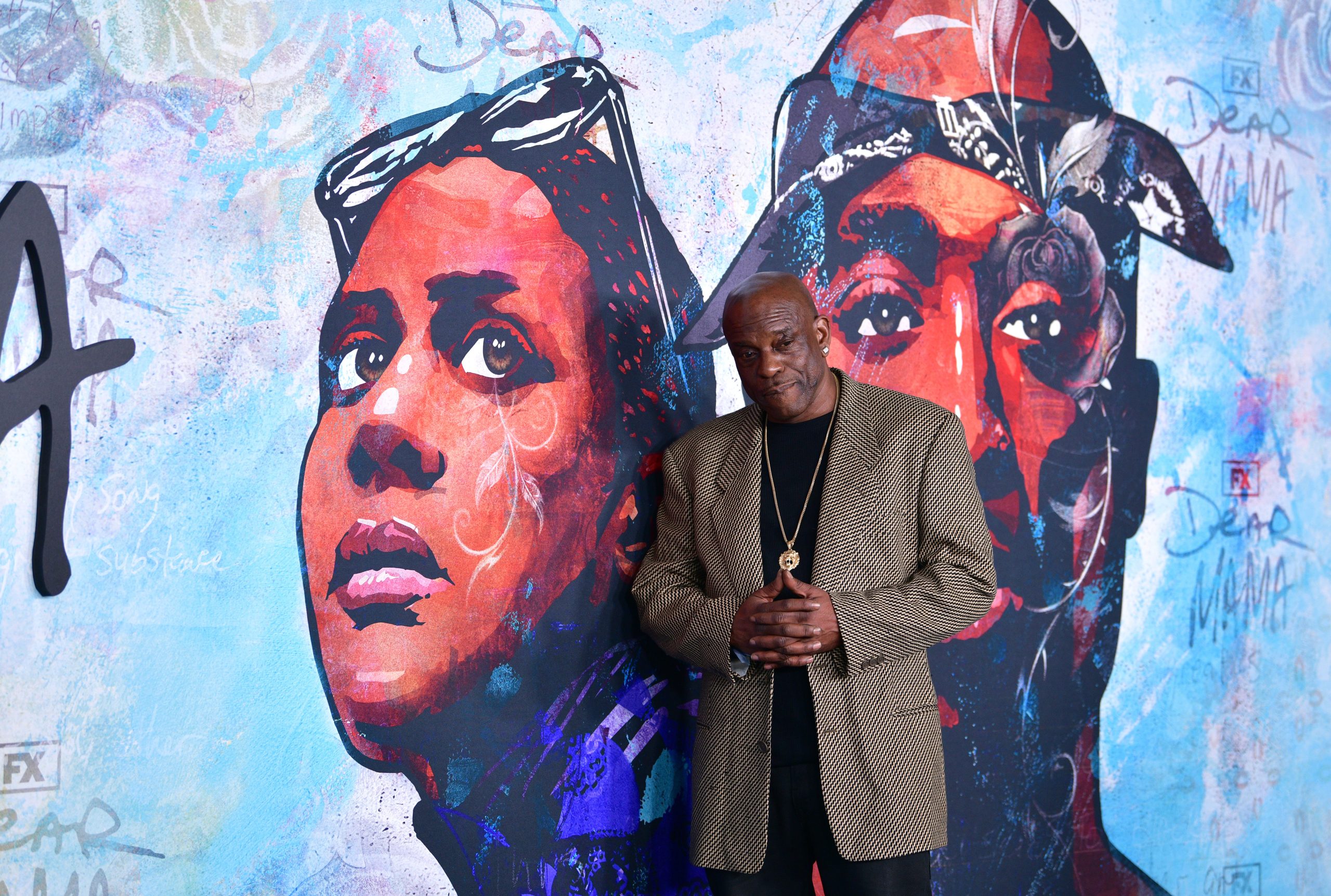
Mopreme Shakur on Black Power, Hip Hop, and the Legacy of the Shakur Family
<>
Mopreme Shakur, a producer and artist, has released his memoir This Thug’s Life, detailing his upbringing as a “Panther Cub” and his career spanning the rise of the Black Liberation Movement and the evolution of hip-hop. The book serves as a primary narrative for preserving the history of the Shakur family and their contributions to social justice and music, following the 2023 passing of his father, the political prisoner Matou Shakur.
Tracing the Lineage of the Black Panther Party
Mopreme Shakur—son of the late Dr. Matou Shakur and stepson of Afeni Shakur—positions his memoir at the intersection of political activism and artistic expression. According to Shakur, the memoir was born from a need to document the personal and collective sacrifices of his family, particularly as many of those who lived through the era pass away.
The historical significance of the Shakur family extends beyond music. Matou Shakur, a prominent figure in the Black Panther Party, was involved in the Lincoln Detoxification Clinic in the Bronx.
The Evolution of Hip-Hop as a Political Tool
Shakur describes hip-hop not merely as entertainment, but as a “vehicle” for social commentary and community outreach. He notes that the “Thug Life” concept, developed in collaboration with his brother Tupac Shakur and their peers, was designed as an acronym: “The Hate U Give Little Infants Fucks Everyone.” This philosophy aimed to address the cycle of systemic neglect that often leads to social instability.
He explicitly links this era of censorship to the broader historical use of programs like COINTELPRO, which sought to neutralize civil rights leaders.
Preserving Legacy in a Shifting Political Climate
The urgency to publish This Thug’s Life stemmed from a desire to control the family narrative amidst the loss of key figures, including Tupac Shakur and more recently, Matou Shakur. Shakur emphasizes that as public figures, the family has often been subject to misinformation. By authoring his own account, he seeks to provide an authoritative source for the history of both his family and the broader struggle for Black liberation.

The Ongoing Struggle for Social Justice
Shakur’s perspective remains firmly rooted in the idea that the struggle for justice is continuous. He frames his musical and literary contributions as a continuation of the work started by his elders. “As long as our people still struggling, the struggle continues,” Shakur stated during a recent discussion on the rooftop of a Washington D.C. hotel.

The legacy of the Shakur family serves as a reminder of the link between artistic expression and political resistance. Whether through the lens of music history or the study of civil rights, the preservation of these stories remains a critical task.
>