Monte Verde Site Age Dispute: New Study Challenges Early Americas Settlement Timeline
A landmark archaeological site in Chile, long considered key evidence for pre-Clovis settlement of the Americas, may be thousands of years younger than previously believed, according to a study published Thursday in the journal Science. The findings, if validated, could reshape understanding of how and when humans first populated the Western Hemisphere.
The site, Monte Verde, located near Puerto Montt in southern Chile, has been central to the argument that people lived in South America more than 1,000 years before the Clovis culture, which emerged around 13,000 years ago. Previous dating of Monte Verde suggested human occupation between 13,980 and 14,220 years ago, and later refined to approximately 14,500 years ago, challenging the “Clovis first” model of migration.
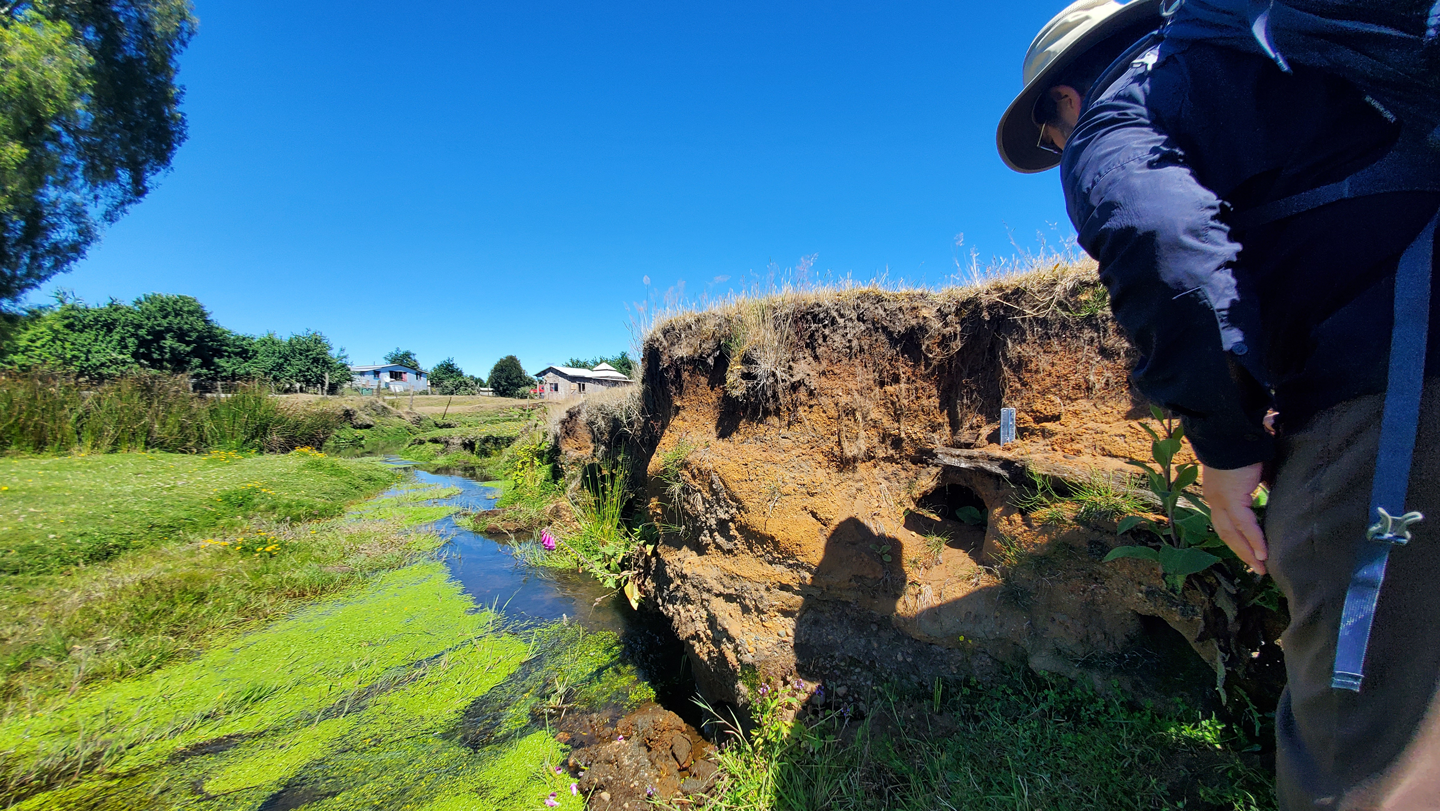
However, the novel analysis suggests Monte Verde was occupied between 4,200 and 8,200 years ago, placing it firmly within the post-Clovis period. The research team, led by Todd Surovell of the University of Wyoming, based their conclusions on the discovery of a layer of volcanic ash from the Michinmahuida volcano in Patagonia, dated to approximately 11,000 years ago. The ash layer lies beneath the evidence of human occupation, indicating the site was inhabited *after* the volcanic eruption.
“Some archaeologists will say our findings change everything about our understanding of the peopling of the Americas, [but] some archaeologists will tell you it hardly changes anything,” Surovell said, anticipating the controversy. “I think that disagreement speaks to the nature of the discipline and really shows how much we don’t know.”
Monte Verde was discovered in 1975 by archaeologist Tom Dillehay, then at the Universidad Austral de Chile. Excavations revealed remarkably well-preserved remains of wooden structures, tools, and plant matter, suggesting a sophisticated campsite. The site’s preservation was attributed to its location within a peat bog.
Dillehay strongly disputes the new findings, calling them “a mixture of inventions and misunderstandings.” In a statement, he criticized the study’s methodology, arguing that the researchers sampled from areas outside the original excavation and spent insufficient time at the site to properly assess its complex geological and ecological context. “We stand by our work, which is highly regarded and has stood the test of time,” Dillehay stated.
Other archaeologists have also expressed skepticism. Michael Waters of Texas A&M University questioned the study’s interpretation of sediment layers, stating that the proposed arrangement was geologically improbable. Jon Erlandson, an emeritus professor at the University of Oregon, acknowledged the possibility of some materials being redeposited by a creek, but argued the study failed to definitively prove volcanic ash lay directly beneath the artifacts excavated by Dillehay’s team.
The debate centers on whether organic materials previously interpreted as evidence of a pre-Clovis presence were, in fact, washed down from higher layers, creating a misleading impression of age. Surovell’s team suggests this process occurred at Monte Verde, skewing earlier radiocarbon dating results.
The implications of the revised dating extend beyond Monte Verde itself. If confirmed, it would cast doubt on other sites proposed as evidence of pre-Clovis occupation in the Americas, leaving the Clovis culture as the earliest widely accepted evidence of human presence on the continent.