
Federal Judge Revives Legal Challenges to South Fork Coal’s Mining in monongahela Forest
WILMINGTON, Del.
– A federal judge in Delaware has breathed new life into efforts to protect the Monongahela National Forest from South Fork Coal Company’s mining activities. The ruling, issued Tuesday, lifts an “automatic stay” imposed due to the company’s bankruptcy filing in February 2025, allowing conservation groups to pursue legal and administrative actions against the company. The decision enables these actions to proceed despite the company’s financial difficulties.
The legal challenges aim to address alleged illegal coal hauling operations through the national forest, holding the federal government accountable for permitting these activities. The case highlights the ongoing tension between resource extraction and environmental protection in the Appalachian region.
Court Decision Allows Lawsuit and Appeals to Proceed
The court’s decision specifically allows a lawsuit against the U.S. Forest Service and ongoing administrative appeals within the Department of the Interior to move forward. These actions were previously stalled due to South Fork Coal’s bankruptcy proceedings.The conservation groups argue that the company’s activities violate the Endangered Species Act and other key environmental laws.
Did You Know? The Monongahela National Forest encompasses over 921,000 acres of diverse ecosystems in West Virginia, providing habitat for numerous plant and animal species.
Andrew Young, staff attorney for the Allegheny-Blue Ridge Alliance, stated that the ruling reaffirms that “Bankruptcy is not a free pass to ignore environmental laws or silence public oversight.” He emphasized the importance of protecting public lands from short-term profit motives.
South Fork Coal’s Environmental Violations
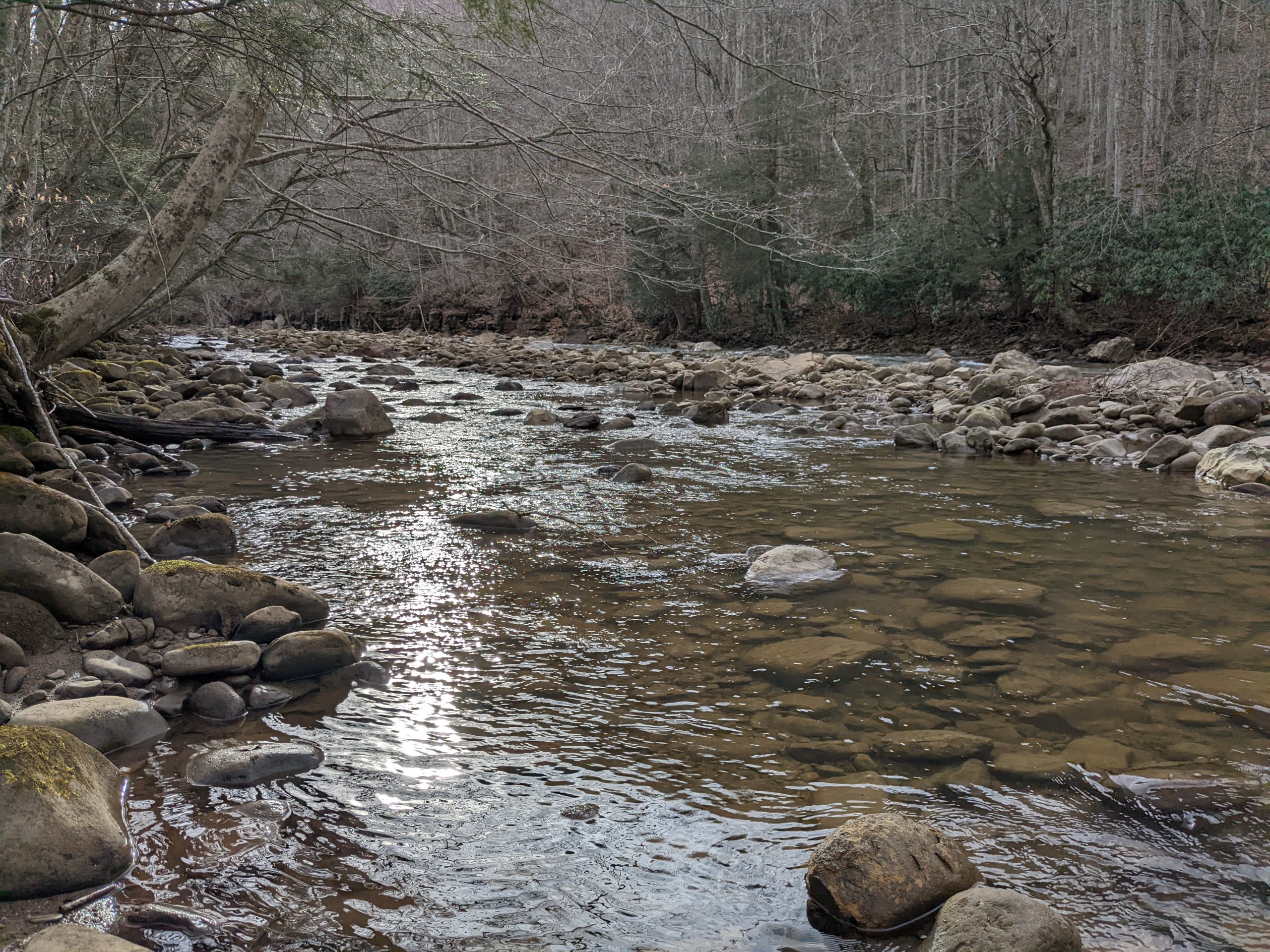
South Fork Coal has faced scrutiny for its environmental record.Since 2019, the company has been cited for more than 140 environmental violations, primarily in the Cherry river watershed. This area is a critical habitat for the endangered candy darter and a vital headwater of the gauley River, a important contributor to the region’s ecotourism economy.
Pro Tip: Monitoring water quality and enforcing environmental regulations are crucial for protecting aquatic ecosystems and the species that depend on them.
The company’s permit, issued in 2013, was based on claims that its operations would not impact the national forest. However, evidence suggests that coal hauling through the forest began as early as 2021 and continued largely unchecked until early 2025. In January, federal regulators temporarily halted coal hauling after conservation groups presented evidence of illegal activity, but this decision was later reversed without public notice.
Conservation groups respond
Willie Dodson, Coal Impacts Program Manager at Appalachian Voices, emphasized the deep concern of local residents who “fish and paddle the Cherry River and hike in the Monongahela National Forest.” He asserted that conservation groups are drawing a line against companies that “steamroll public lands and clean water.”
West Virginia Highlands Conservancy and Appalachian Voices also filed a separate lawsuit against South Fork Coal in December 2024 for repeated violations of the Clean Water Act. This case remains on hold due to the company’s bankruptcy.
Key Metrics: South Fork Coal and Monongahela National Forest
| Metric | Value | Source |
|---|---|---|
| Environmental violations Since 2019 | Over 140 | Appalachian Voices Press Release, July 18, 2025 |
| Monongahela National Forest Size | 921,000+ acres | U.S. Forest Service |
| Endangered Species Impacted | Candy Darter | Appalachian Voices Press Release, July 18, 2025 |
| Year Coal Hauling Began | 2021 (estimated) | Appalachian Voices Press Release, July 18, 2025 |
The Broader Context: Coal Mining and Environmental Regulations
The conflict between coal mining operations and environmental protection is a long-standing issue in the Appalachian region. Coal mining,while providing economic benefits,can have significant environmental consequences,including water pollution,habitat destruction,and air quality degradation.
Federal laws like the Clean Water Act and the Endangered Species Act aim to mitigate these impacts, but enforcement can be challenging, particularly when companies face financial difficulties. Bankruptcy proceedings can further complicate matters, as they can temporarily halt legal actions and administrative oversight.
The Monongahela National Forest, like many other national forests, faces ongoing pressure from resource extraction industries. Balancing economic development with environmental stewardship requires careful planning,robust regulations,and active public engagement. according to the EPA, mining activities are a leading cause of water quality impairment in the United States, affecting aquatic life and human health. EPA
Frequently asked Questions About the South Fork Coal Case
What are the main arguments of the conservation groups against South Fork Coal?
Conservation groups argue that South Fork Coal’s activities violate the Endangered Species Act and the clean Water Act, and that the company’s coal hauling operations are causing significant environmental damage to the Monongahela National Forest.
How does the bankruptcy of South Fork Coal affect the legal challenges against the company?
The bankruptcy initially imposed an “automatic stay” that temporarily halted legal and administrative actions. However, the recent court ruling lifted this stay, allowing the challenges to proceed.
What is the role of the U.S. Forest Service in this case?
The U.S. Forest Service is being sued for allegedly allowing coal trucks and heavy equipment to be transported through the Monongahela National Forest in violation of environmental laws.
What is the importance of the Cherry River watershed in this case?
The Cherry River watershed is a critical habitat for the endangered candy darter and a vital headwater of the Gauley River. South Fork Coal’s environmental violations in this area pose a significant threat to the region’s ecosystem.
What can individuals do to support the protection of the Monongahela National Forest?
individuals can support conservation groups working to protect the forest,advocate for stronger environmental regulations,and engage in responsible recreation practices.
What are your thoughts on balancing economic interests with environmental protection? How can communities ensure responsible resource management? Share your comments below!
Disclaimer:
This article provides general information and should not be considered legal or environmental advice. Consult with qualified professionals for specific guidance.
stay informed about environmental issues and support responsible resource management.Share this article and subscribe to our newsletter for the latest updates!
