Mobile Genetic Elements Shape Microbial Diversity in Thawing Permafrost
Mobile Genetic Elements Reshape Permafrost Microbial Functionality as Thawing Accelerates
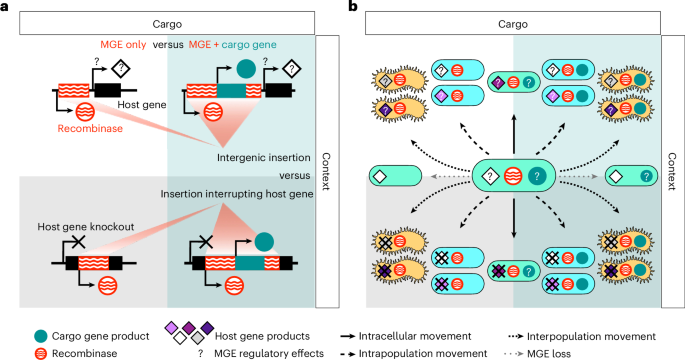
Recent research published in Nature confirms that mobile genetic elements (MGEs)—sequences of DNA capable of moving within and between genomes—are primary drivers of microbial adaptation in thawing permafrost soils. As global temperatures rise, these elements facilitate rapid horizontal gene transfer, allowing soil microbiomes to reconfigure metabolic pathways in response to changing carbon availability. This microbial flux introduces significant variables for climate modeling and soil-based sequestration projects, necessitating high-resolution metagenomic monitoring.
The Tech TL;DR:
- Microbial Evolution: MGEs drive rapid adaptation in permafrost, shifting microbial metabolic output as soil thaws and organic matter becomes accessible.
- Data Complexity: The high turnover of microbial genomes requires advanced bioinformatics pipelines to maintain accuracy in metagenomic assembly and annotation.
- Infrastructure Needs: Enterprises managing environmental monitoring or carbon-credit verification must integrate specialized genomic sequencing workflows to account for rapid horizontal gene transfer.
The Architectural Challenge of Metagenomic Flux
The Nature study highlights that MGEs—including plasmids, transposons, and viruses—function as a decentralized network for horizontal gene transfer. For data scientists and bioinformatics engineers, this creates a “moving target” problem. When the underlying microbial population shifts its genetic architecture in near real-time due to thaw-induced stress, standard reference-based assembly often fails to capture the emergent metabolic functions.

According to the Nature findings, the diversity of these elements directly correlates with the functional capacity of the soil microbiome, specifically regarding carbon decomposition. For organizations utilizing Bioconda or similar bioinformatics infrastructure, this necessitates a transition toward dynamic, assembly-free k-mer analysis to track MGE prevalence without relying on static reference databases that may be months or years out of date.
Implementation: Tracking MGE Activity in Metagenomic Datasets
To quantify the impact of MGEs on soil microbial diversity, engineers must deploy robust containerized workflows. Below is a simplified example of how one might initiate a rapid screening for specific MGE markers using a standard CLI-based approach:
# Example: Screening metagenomic reads for MGE-associated transposase markers

# Utilizing a containerized environment (Docker/Singularity)

docker run --rm -v $(pwd):/data biocontainers/hmmer:v3.3.2

hmmsearch --cpu 8 --tblout /data/mge_hits.txt /data/transposase_db.hmm /data/sample_reads.fasta
By leveraging high-performance compute clusters, research teams can identify these elements before they trigger significant changes in the local ecosystem’s carbon output. Organizations struggling with the overhead of these large-scale genomic datasets should consult with a specialized bioinformatics infrastructure firm to ensure their compute pipelines are optimized for high-throughput genomic assembly.
Cybersecurity and Data Integrity in Genomic Sequencing
The rapid mobilization of genetic material in permafrost is not just an ecological issue; it is a data integrity concern. As high-throughput sequencing data flows from field sensors to centralized cloud repositories, the potential for “genetic drift” in the data—where MGE-driven changes are misinterpreted as sequencing artifacts or noise—increases. Maintaining strict SOC 2 compliance in data handling is essential for firms managing climate-sensitive datasets.

If your organization is currently ingesting large volumes of environmental genomic data, ensuring that your cybersecurity auditor is familiar with the nuances of scientific data pipelines is critical. Unauthorized access to raw genomic datasets or the corruption of these files can lead to catastrophic errors in climate-impact reporting and long-term research projections.
Future Trajectory: The Convergence of Ecology and Computing
The integration of MGE-aware modeling into climate software signals a shift toward more responsive, AI-driven ecological forecasting. As we move closer to 2030, the ability to predict soil microbial behavior at scale will determine the viability of various carbon-offset initiatives. Firms that fail to account for the fluid nature of microbial genomes will likely find their predictive models drifting significantly from observed realities. Engaging with IT infrastructure specialists to harden data pipelines against these complexities is no longer optional—it is a baseline requirement for any organization operating at the intersection of Big Data and environmental science.
Disclaimer: The technical analyses and security protocols detailed in this article are for informational purposes only. Always consult with certified IT and cybersecurity professionals before altering enterprise networks or handling sensitive data.