
Organoid Technology Revolutionizes Drug Development, Reducing reliance on Animal Testing
Table of Contents
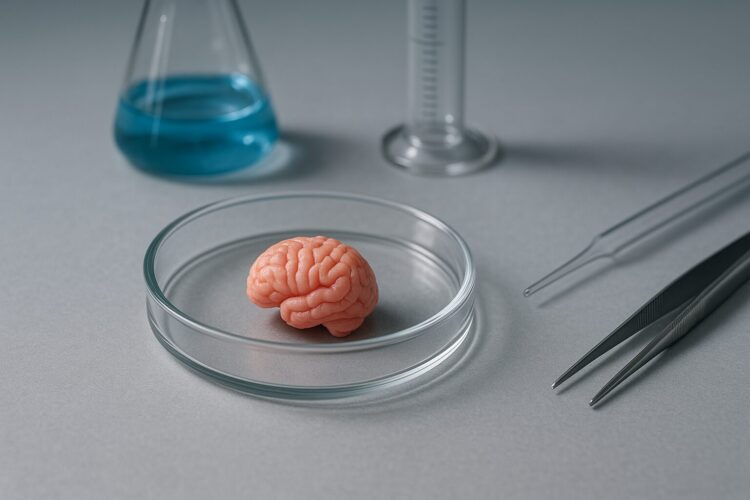
The pharmaceutical industry is entering a new era of drug development, driven by the rise of organoid technology and the diminishing reliance on animal testing. Following the US Food and Drug Administration’s (FDA) announcement to phase out animal experiments, organoids, or “mini organs,” are rapidly gaining prominence as a viable choice. This shift has prompted domestic pharmaceutical and biotechnology companies to strategically integrate organoids into their research and development pipelines.
What are Organoids and Why are They Vital?
Organoids are three-dimensional, miniature artificial organs cultivated from stem cells or tissue-derived cells, closely mimicking the structure and function of real organs. These models offer several advantages over traditional animal testing methods. Notably, organoids exhibit an 85% similarity to human patients, making them more predictive of drug responses in humans [1]. Furthermore, they present a more cost-effective and ethically sound alternative to animal experimentation.
The FDA’s decision in April to phase out animal testing requirements has accelerated the adoption of organoids by global pharmaceutical companies, who are actively exploring their use in early drug screening. Market research firm research & Market projects considerable growth in the global organoid market, forecasting an increase from $3.9 billion in 2024 to $4.83 billion in 2025, representing an average annual growth rate of 21.3%.
Did You Know? Organoids can be derived from patient-specific cancer cells, allowing researchers to study the unique characteristics of an individual’s tumor and predict their response to different treatments.
Key Players Embracing Organoid Technology
Several companies are at the forefront of integrating organoid technology into their operations:
- Samsung Biologics: On June 16th, Samsung Biologics launched “Samsung Organoid,” a drug screening service utilizing organoids. This strategic move leverages their GMP-based production expertise to provide high-quality organoid services. By expanding their portfolio from CDMO (consigned development production) to CRO (CRO),Samsung Biologics aims to enhance collaboration with customers from the early stages of new drug development,establishing a seamless connection to production.
- CG Cell: CG Cell has partnered with NeXT & Bio, an organoid company, to develop a platform that combines a micro-pathology system (MPS) with patient-derived organoids to simulate the tumor microenvironment. This platform will enable more precise evaluation of cell therapy effects compared to traditional animal experiments.
- Daewoong: Daewoong is focusing on the mass production of organoids.Selected as the general manager of the Ministry of Trade, Industry and Energy’s “organoid regeneration Treatment Mass Production Technology Development Project,” Daewoong is working to localize and develop automated production systems, including dedicated culture containers, cell external air quality (ECM), and growth factors, to accelerate the global commercialization of organoid treatments.
Government Support and standardization efforts
Government policies are also playing a crucial role in fostering the growth of the organoid industry. The anticipated enactment of the ‘Animal Alternative Test Activation Act’ will further institutionalize the use of alternative testing methods.
The Ministry of Food and Drug Safety (KFDA) is actively pursuing international standardization of toxicity evaluation methods using organoids.The KFDA has established the Organoid examination Act International Standardization Promotion Committee, bringing together industry and academic experts to discuss strategic directions. Furthermore, the KFDA is collaborating with the OECD to develop the world’s first toxicity test guidelines using liver organoids.
Pro Tip: Keep an eye on regulatory updates and standardization efforts in the organoid field, as these will substantially impact the development and adoption of this technology.
The Future of Drug Development with Organoids
The integration of organoid technology into drug development represents a significant step towards more efficient, ethical, and personalized medicine. As the FDA and other regulatory bodies worldwide continue to reduce reliance on animal testing, organoids are poised to become an indispensable tool for pharmaceutical and biotechnology companies.
| Company | Focus Area | Strategy |
|---|---|---|
| Samsung Biologics | Drug Screening | Offering organoid-based screening services |
| CG Cell | Cell Therapy Evaluation | Combining organoids with micro-pathology systems |
| Daewoong | organoid Production | Developing mass production technologies |
The Rise of Organoids: A Historical Outlook
The concept of growing cells in three dimensions to mimic organ function dates back several decades. However, significant advancements in stem cell biology and biomaterials have propelled the development of sophisticated organoid models in recent years. The increasing regulatory pressure to reduce animal testing, coupled with the growing demand for personalized medicine, has further accelerated the adoption of organoid technology.
The global organoid market is expected to continue its rapid expansion, driven by ongoing research and development efforts, increasing investments from pharmaceutical companies, and supportive government policies. As organoid technology matures, it is likely to play an increasingly important role in drug finding, disease modeling, and regenerative medicine.
Frequently Asked Questions About Organoids
Disclaimer: This article provides general facts about organoid technology and should not be considered medical or professional advice. Consult with qualified professionals for specific guidance.
What are your thoughts on the potential of organoid technology to revolutionize healthcare? Share your comments below and subscribe for more updates!
