
Indonesia Focuses on Skilled Migrant Workforce, Combats Human Trafficking
Jakarta, Indonesia – The Indonesian Ministry for the Protection of Indonesian Migrant Workers (P2MI) is prioritizing skills development and protection measures for its citizens seeking employment abroad, according to Minister Mukhtarudin. This initiative aims to capitalize on Indonesia’s current demographic bonus – a period with a large working-age population - and ensure a productive workforce contributing to national economic growth.
Minister Mukhtarudin emphasized the importance of vocational training programs, job training centers, and identifying global market demands to prepare Indonesian migrant workers for competitive employment opportunities. This effort directly aligns with President Prabowo Subianto’s directive to prioritize both the safety and skill enhancement of Indonesian citizens working overseas.
A key component of the P2MI’s strategy is the development of a “Golden Migrant Village” ecosystem. This program focuses on ensuring safe migration processes, starting at the village level, and supporting triumphant reintegration of returning workers as entrepreneurs. The goal is to equip migrant workers with the knowledge, skills, and mindset necessary for success.
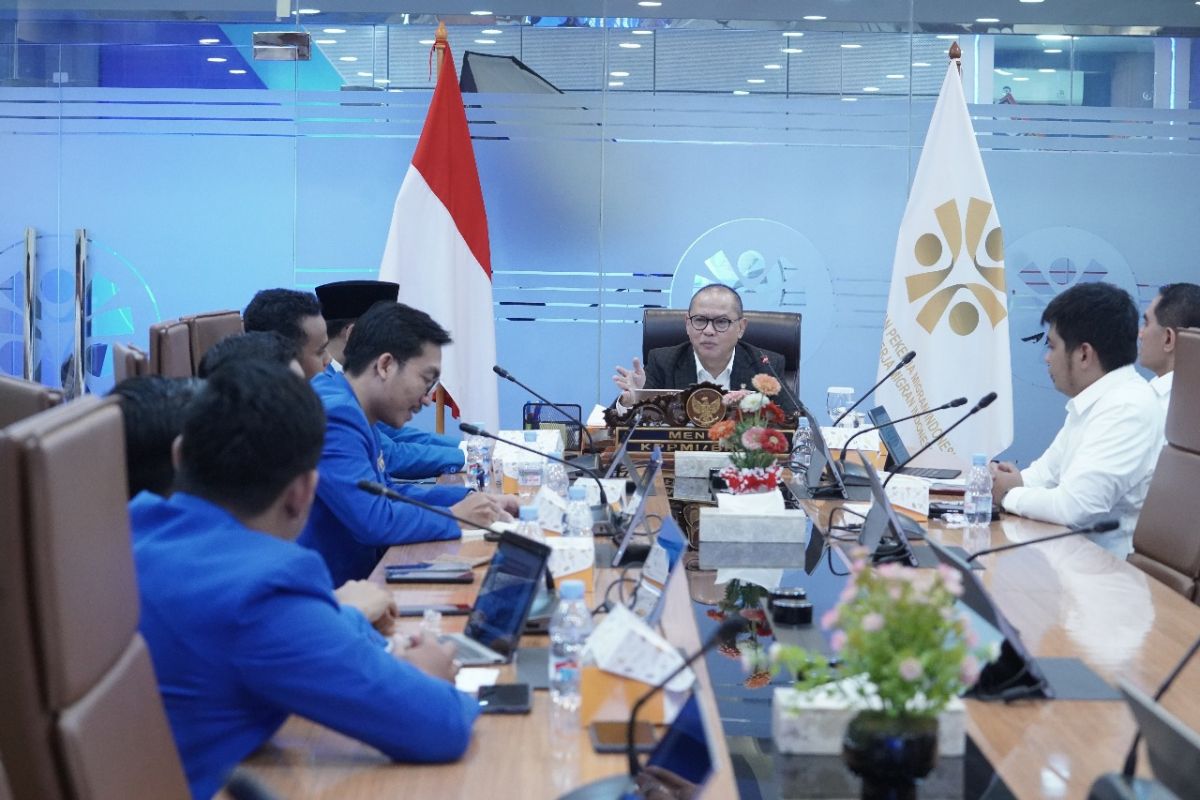
Recognizing the need for broad collaboration, P2MI is actively seeking partnerships with organizations like the Indonesian Islamic Student Movement (PB PMII) to promote safe migration practices. PB PMII’s Manpower Division Head, M. Razik Ilham, highlighted the critical need for increased awareness, particularly among Generation Z, regarding the risks of unsafe migration and human trafficking.
ilham noted a concerning trend of human trafficking cases involving young people and stressed the importance of education and literacy programs extending from campuses to migrant-sending villages. PB PMII has pledged to collaborate with P2MI on literacy programs, training initiatives, safe migration campaigns, and advocacy efforts to protect migrant workers. Both organizations believe that engaging the younger generation will be crucial in reducing the incidence of human trafficking and illegal worker placement.
