
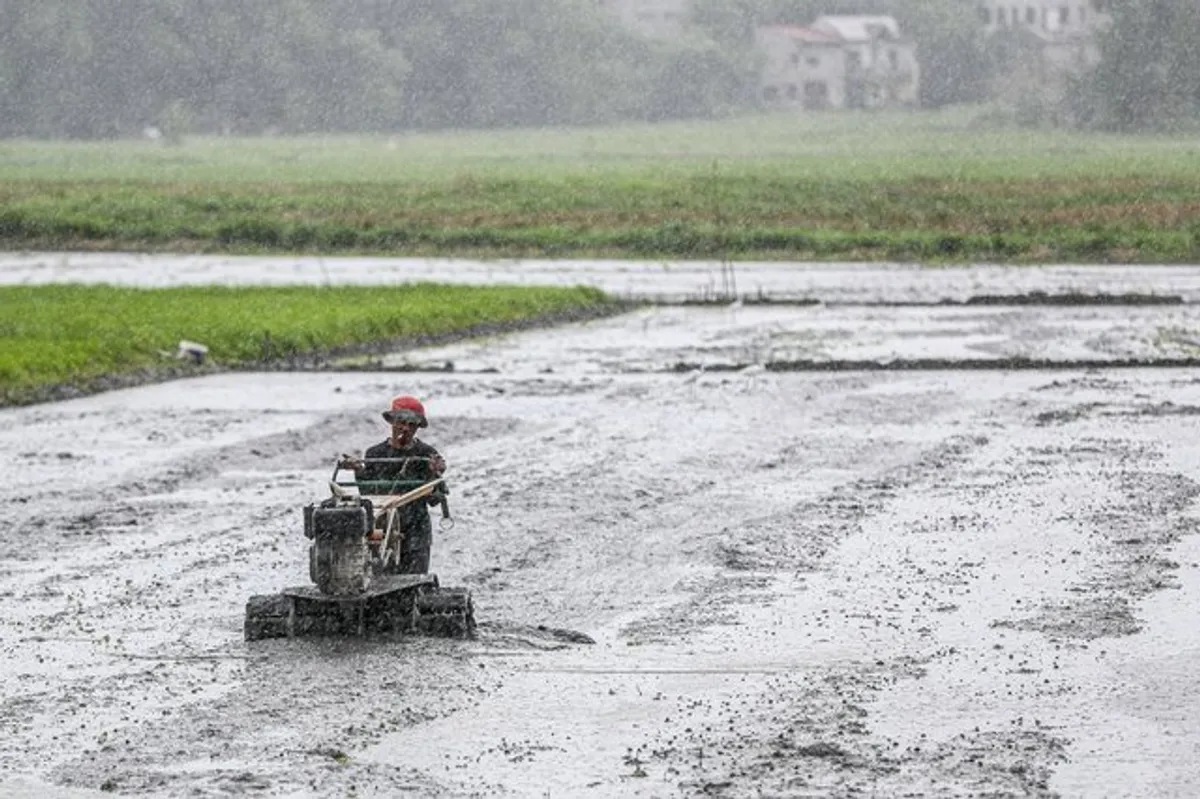
Mideast Conflict May Halve Philippines Rice Production
The Philippines faces a potential 50 percent reduction in rice production if the ongoing conflict in the Middle East escalates further, according to an official from the Department of Agriculture.
The warning centers on the volatility of global fertilizer markets. The Middle East serves as a critical corridor for the transport and supply of essential agricultural inputs. Disruptions in these shipping routes or a surge in regional instability threaten to restrict the availability of fertilizers and drive prices beyond the reach of local farmers.
Agriculture officials indicate that a sharp decline in fertilizer access would lead to lower crop yields, directly impacting the national output of rice, the country’s primary staple. The projected 50 percent drop represents a worst-case scenario tied to prolonged logistical bottlenecks and sustained price spikes in the international market.
Supply Chain Vulnerabilities
The Philippine agricultural sector relies heavily on imported inputs to maintain productivity. When geopolitical tensions rise in the Middle East, shipping costs typically increase and delivery timelines are extended. This creates a ripple effect that begins with the inability of farmers to secure necessary nutrients for their crops, eventually manifesting as a decrease in the total volume of harvested grain.

The Department of Agriculture is currently monitoring the situation to determine the extent of the risk to domestic food security. The focus remains on the stability of the supply chain and the potential for alternative sourcing to mitigate the impact of Middle Eastern instability.
Impact on Food Security
A significant drop in rice production would increase the Philippines’ reliance on rice imports to meet domestic demand. Even as the government manages import quotas to stabilize prices, a sudden halving of local production would place unprecedented pressure on the national budget and the availability of affordable rice for consumers.
The agency is assessing the current stockpiles of fertilizers and evaluating the feasibility of diversifying suppliers to reduce dependence on regions prone to geopolitical volatility.
The Department of Agriculture has not yet announced a formal contingency plan or a specific timeline for the implementation of emergency subsidies to offset rising fertilizer costs.