Middle East oil exports reached 24 million barrels per day, says Libertatea
Middle Eastern oil exports reached 24 million barrels per day in the week ending October 18, 2026, surpassing pre-conflict levels of 23.3 million despite the war involving Iran, Libertatea reported. Even with high export volumes bypassing traditional maritime chokepoints, Brent crude traded at 108 dollars per barrel on October 21, 2026, up from 72 dollars in February 2023.
Infrastructure Shifts Around the Strait of Hormuz
The share of crude oil exports bypassing the Strait of Hormuz climbed from 17 percent before the conflict to 40 percent in September 2026. Saudi Arabian exports through the Red Sea expanded from 750,000 to millions of barrels daily.
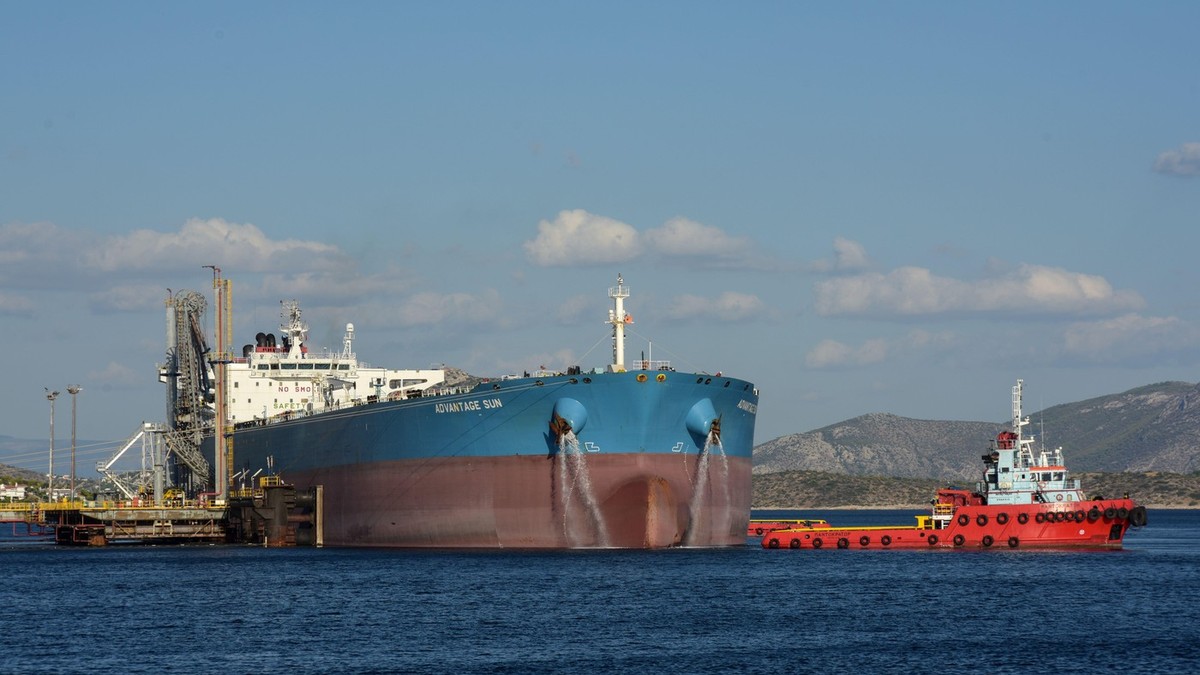
Superpetroliers now execute short transit routes across the strategic waterway before transferring cargoes to secondary vessels offshore. According to Kpler data noted in the reporting, over 70 percent of oil traversing Hormuz in August underwent ship-to-ship transfers off the coast of Oman or near Fujairah. These operations carry severe physical hazards. An October missile strike on a fully laden tanker carrying two million barrels prompted crews to don tactical body armor during transit.

Logistical Overhead Drives High Consumer Energy Expenses
The primary driver of high consumer energy expenses has shifted from crude scarcity to exorbitant logistical overhead. Moving a single barrel of oil from the Gulf to China currently costs 37.37 dollars, consuming 25 percent of the commodity’s market value compared to just 5 percent under normal conditions. Transporting a standard two-million-barrel cargo now totals a substantial amount.
Goldman Sachs data highlights this inflationary pressure, placing the average maritime shipping rate above 20 dollars per barrel, up from 3 dollars a year prior. War risk insurance premiums for crossing the Strait of Hormuz contributed approximately 7 dollars to that increase, while external offshore transfers added another 4 dollars. These maritime expenses narrow refinery margins across Asia and sustain elevated retail fuel costs worldwide.
Oil and Gas Prices Rise Amid Supply Anxiety
Energy markets faced broad upward momentum across multiple commodities during the third week of October 2026. West Texas Intermediate futures for November delivery rose 5.73 percent to 109.60 dollars per barrel on October 20, according to Agence France-Presse figures. Brent crude contracts for December delivery climbed to 111.69 dollars per barrel, staying near five-month highs. European natural gas contracts traded at nearly 88 euros per megawatt-hour at the Dutch TTF hub, reflecting persistent anxiety over Middle Eastern supply chains, Mediafax reported.
Export bottlenecks extend beyond crude oil into refined products. Refinery capacity in the Middle East sustained damage during the conflict, suppressing output of refined fuels. Kpler assessments indicate that regional refining operations cannot return to pre-war output baselines before the second quarter of 2027, leaving global fuel markets vulnerable to prolonged price volatility.