Middle East Conflict Impacts Singapore’s Economy and Fuel Security
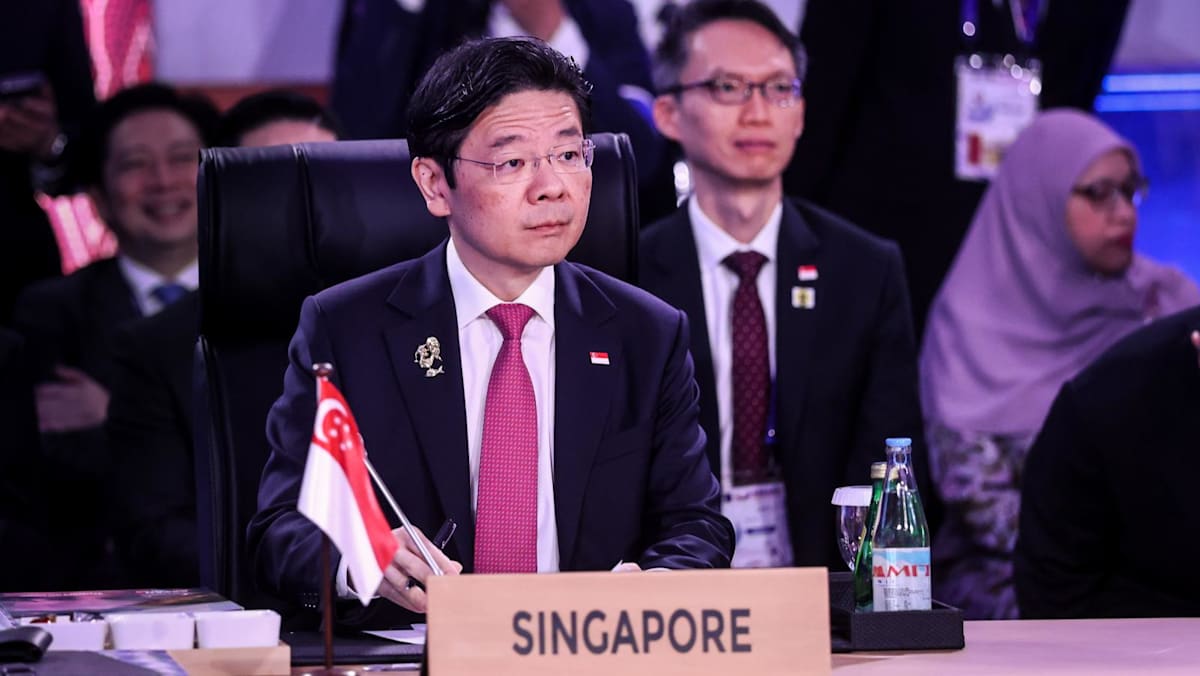
Prime Minister Wong has called for the swift ratification of ASEAN petroleum and trade agreements to mitigate the economic risks posed by the ongoing conflict in the Middle East.
The Prime Minister warned that the situation in West Asia may intensify, a development that would likely increase the economic burden on Singapore. This instability is already impacting the energy sector, with warnings issued that fuel disruptions are far from over.
The industrial consequences of the volatility are evident in the country’s refining sector. Refineries are currently operating at half capacity, a shortfall that threatens Singapore’s economic growth outlook of 2% to 4%.
While the broader economy faces these headwinds, the impact has been disproportionately felt by small and medium-sized enterprises. Reports indicate that SMEs are experiencing the most significant strain resulting from the Middle East conflict, as they often lack the diversified resources of larger corporations to absorb sudden shocks in energy costs and supply chain disruptions.
The push for the rapid finalization of ASEAN trade and petroleum agreements is positioned as a strategic measure to stabilize energy procurement and trade flows. The administration continues to monitor the escalation in West Asia as it seeks to secure these regional commitments.