
Green Transformation Accelerates: “Old for New” Drives Energy Savings
Consumers and Industry Embrace Eco-Friendly Upgrades
China’s economy is undergoing a significant green shift, with “old for new” initiatives proving a powerful catalyst. This program incentivizes the adoption of energy-efficient appliances, bolstering consumption while curbing energy waste and emissions.
Cutting-Edge Labs Reveal Stark Efficiency Gains
An experiment at a leading appliance firm’s research center highlighted the dramatic efficiency improvements of new air conditioners. A 1.5 horsepower unit, tested under controlled conditions to cool a room from 30°C to 26°C, demonstrated remarkable energy savings.
While a decade-old unit struggled for nearly nine hours, consuming 5 kilowatt-hours, a modern equivalent achieved the same cooling in just 44 minutes, using only 1 kilowatt-hour. This translates to substantial savings for households.
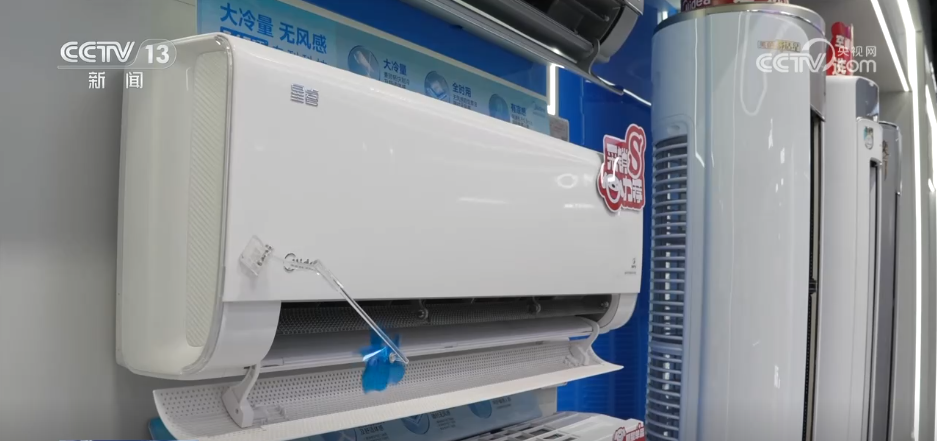
A British energy think tank estimates that “new” air conditioners could save Chinese consumers approximately 6.7 billion yuan annually on electricity bills. This initiative is directly impacting consumers like **Ms. Zhou** in Jiangxi and **Mr. Liao** in Hunan, who report lower energy costs despite larger living spaces.

Manufacturers Pivot to Green Production Lines
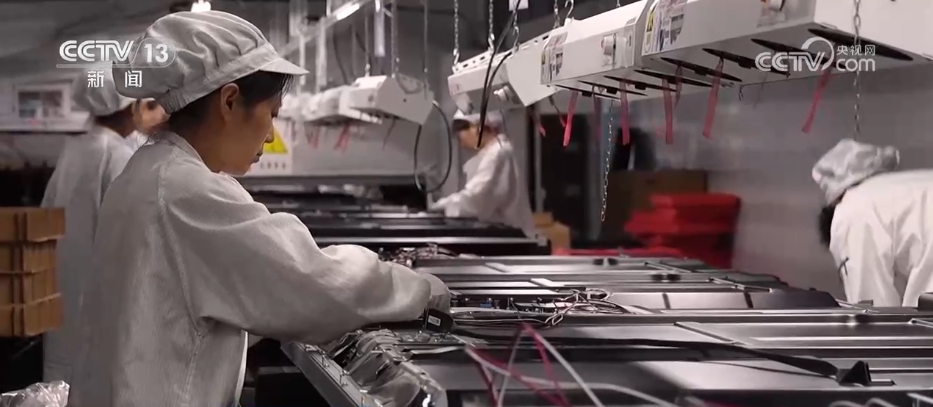
Consumer demand for energy-saving appliances is reshaping manufacturing. Companies are prioritizing the production of first-level energy-efficient products, driven by government subsidies that favor higher efficiency ratings.

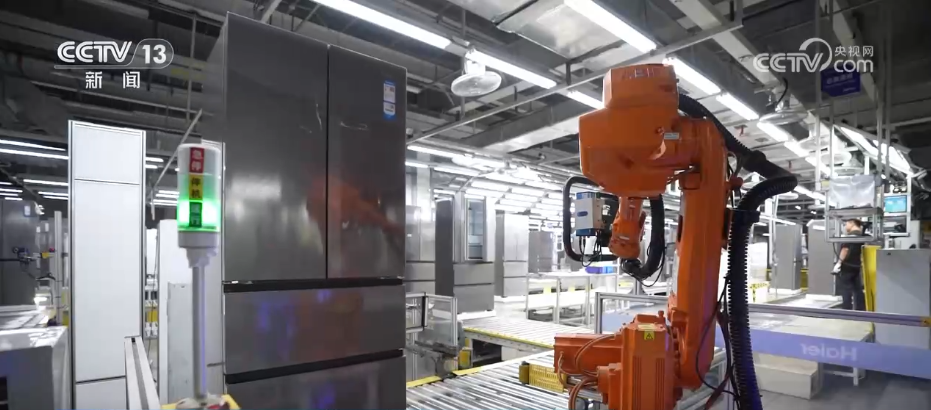
At Changhong’s Smart Display Factory in Sichuan, production of 85-inch energy-efficient TVs is running at full capacity, with over 2,000 units produced daily. Similarly, Qingdao Haier’s refrigerator factory has upgraded its entire production line to prioritize first-level energy efficiency, experiencing a 10% order increase this year.
Industrial Equipment Upgrades Spur Green Productivity
Beyond consumer goods, industrial sectors are also benefiting from equipment renewal. Investment in advanced manufacturing technology is crucial for energy conservation and carbon reduction efforts. Traditional industries are actively transforming their facilities.
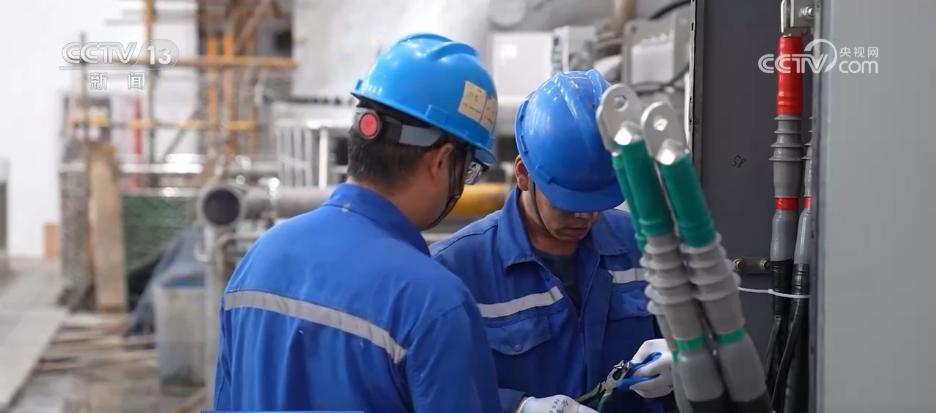
In Jiangsu, Xingcheng Special Steel is undertaking a significant steam-to-electricity conversion project, replacing outdated steam blowers with electric alternatives. This modernization, supported by government bond funds, is expected to save 125,200 tons of standard coal annually and reduce carbon dioxide emissions by 333,000 tons. This aligns with China’s goal to reach peak carbon emissions before 2030, as reported by the National Bureau of Statistics (National Bureau of Statistics 2022).
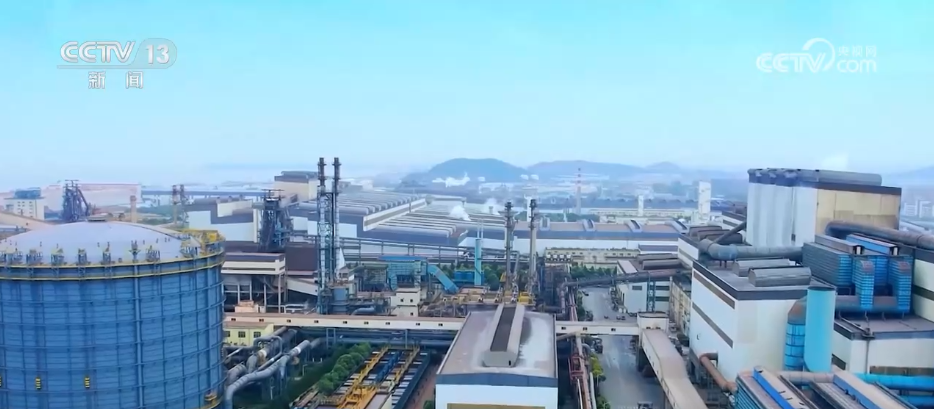
The company anticipates these emission reductions will generate over 20 million yuan in carbon asset value through the national carbon trading market. In Hubei, the Tongshankou Mine has implemented a “Smart Mine” project, significantly boosting copper output and halving its electricity consumption per unit. This initiative is part of a broader 206 million yuan investment by Daye Nonferrous Metals Group in modernizing three mines.
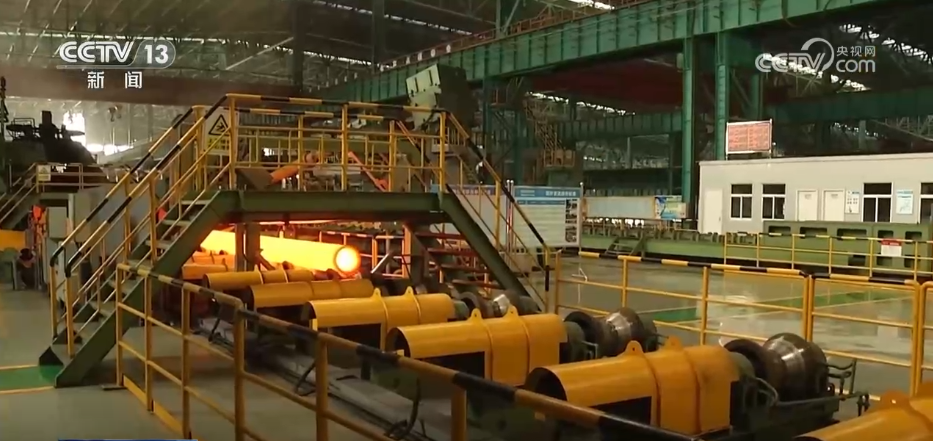
Huangshi city has leveraged 510 million yuan in national equipment renewal funds for energy-saving transformations across its mining and manufacturing sectors. This investment has led to a 5.9% decrease in energy consumption per GDP and a 5% reduction in carbon dioxide emissions year-on-year.
