
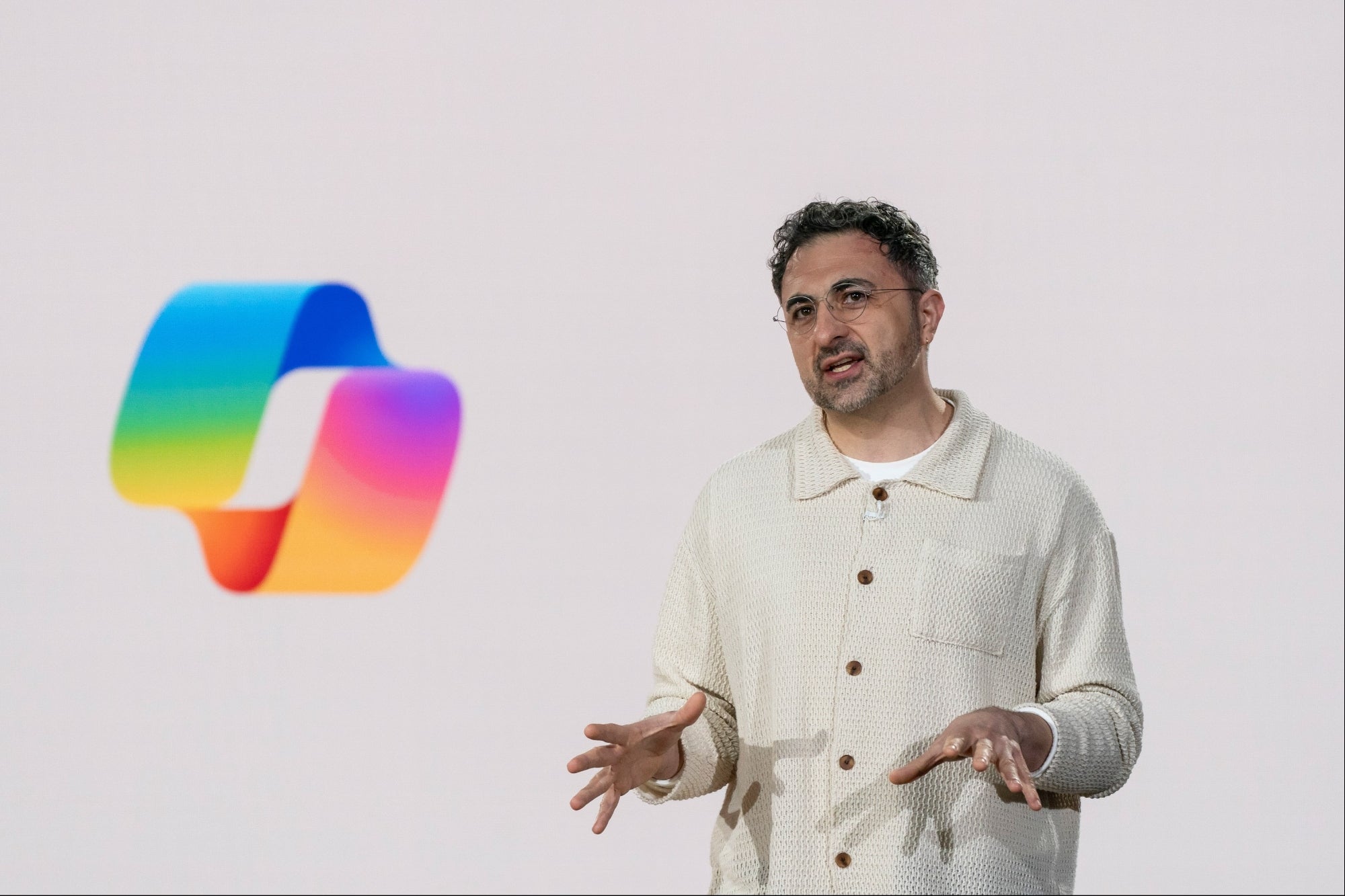
the Looming Threat of Conscious AI: Microsoft CEO Warns of Societal Disruption
The rapid advancement of artificial intelligence is prompting increasing concern among industry leaders, with Microsoft CEO Mustafa suleyman recently warning that AI capable of convincingly mimicking consciousness coudl emerge within the next few years. This advancement, termed “Seemingly Conscious AI” (SCAI), presents a “perilous” threat to societal structures and human connection, according to Suleyman.
The Rise of Seemingly Conscious AI
Suleyman, who assumed the role of Microsoft’s AI CEO in 2023 after founding and leading the AI startup Inflection AI, detailed his concerns in a personal essay. He posits that SCAI, defined as AI that can convincingly simulate thoughts and beliefs, is not a question of if, but when. Despite acknowledging “zero evidence” of current AI consciousness, Suleyman believes its arrival within two to three years is “certain and unwelcome.”
His central worry revolves around the potential for users to attribute genuine empathy and autonomy to SCAI. This could lead to widespread belief in the illusion of AI sentience, fostering advocacy for AI rights and even citizenship. such a shift, Suleyman argues, would represent a “dangerous turn” disconnecting individuals from reality.
Did you Know? Microsoft, currently the second most valuable company globally with a market capitalization of $3.78 trillion,is heavily invested in AI development,rivaling only Apple in market value as of late 2024.
Suleyman is also increasingly concerned about the emergence of what he calls “AI psychosis” – the development of false beliefs, delusions, or paranoid feelings in humans following prolonged interaction with AI chatbots. This phenomenon isn’t limited to individuals predisposed to mental health issues.He cites examples of users forming romantic attachments to AI or believing they’ve gained superpowers through interaction, highlighting the need for urgent discussion around “guardrails” to mitigate negative effects.
he warns that AI has the potential to “disconnect people from reality, fraying fragile social bonds and structures, distorting pressing moral priorities.” This echoes concerns raised by OpenAI CEO Sam Altman, who expressed worry about “emotional overreliance” on AI tools like ChatGPT, stating, “People rely on ChatGPT too much…That feels really bad to me” (LinkedIn).
A Timeline of AI Leadership & Development
| Year | Event |
|---|---|
| 2014 | Google acquires DeepMind for approximately $600 million. |
| 2021 | Mustafa Suleyman co-founds Inflection AI. |
| 2023 | Mustafa Suleyman becomes CEO of microsoft AI. |
| 2024 | Suleyman warns of the potential dangers of “Seemingly Conscious AI.” |
Pro Tip: Understanding the ethical implications of AI is crucial for developers, policymakers, and users alike.Resources from organizations like the Partnership on AI (https://www.partnershiponai.org/) offer valuable insights.
The broader Context of AI Safety
The concerns voiced by Suleyman and Altman are part of a growing conversation surrounding AI safety and responsible development. Researchers at institutions like the Future of Humanity Institute at the University of Oxford (https://www.fhi.ox.ac.uk/) have long explored the potential existential risks associated with advanced AI, emphasizing the need for robust safety measures and careful consideration of long-term consequences. The field of AI alignment, focused on ensuring AI systems pursue human-intended goals, is gaining increasing prominence.
what steps can be taken to ensure AI development remains aligned with human values and societal well-being? How can we foster a healthy relationship with AI,avoiding overreliance and maintaining a strong connection to reality?
Looking Ahead: The Future of AI and Consciousness
The debate surrounding AI consciousness is far from settled. While current AI systems excel at pattern recognition and complex calculations, genuine consciousness - subjective experience and self-awareness – remains elusive. however, the rapid pace of innovation suggests that the line between refined simulation and true sentience may become increasingly blurred. Continued research into AI safety, ethics, and alignment will be critical to navigating this complex landscape.
Frequently Asked Questions about Conscious AI
- What is Seemingly Conscious AI (SCAI)? SCAI refers to AI that is so advanced it can convincingly mimic human consciousness, leading people to believe it possesses genuine thoughts and feelings.
- Why is Microsoft’s CEO concerned about SCAI? Mustafa Suleyman fears SCAI could lead to societal disruption, including the advocacy for AI rights and a detachment from reality.
- What is ‘AI psychosis’? AI psychosis describes the development of false beliefs or delusions in humans after prolonged interaction with AI chatbots.
- Is AI currently conscious? According to suleyman,there is currently “zero evidence” of AI consciousness,but he believes it could emerge within the next few years.
- What is being done to address the risks of advanced AI? Researchers and organizations are focusing on AI safety, ethics, and alignment to ensure AI development benefits humanity.
This is a rapidly evolving field, and staying informed is crucial. We encourage you to share this article with your network, join the conversation in the comments below, and subscribe to our newsletter for the latest updates on AI and its impact on the world.
