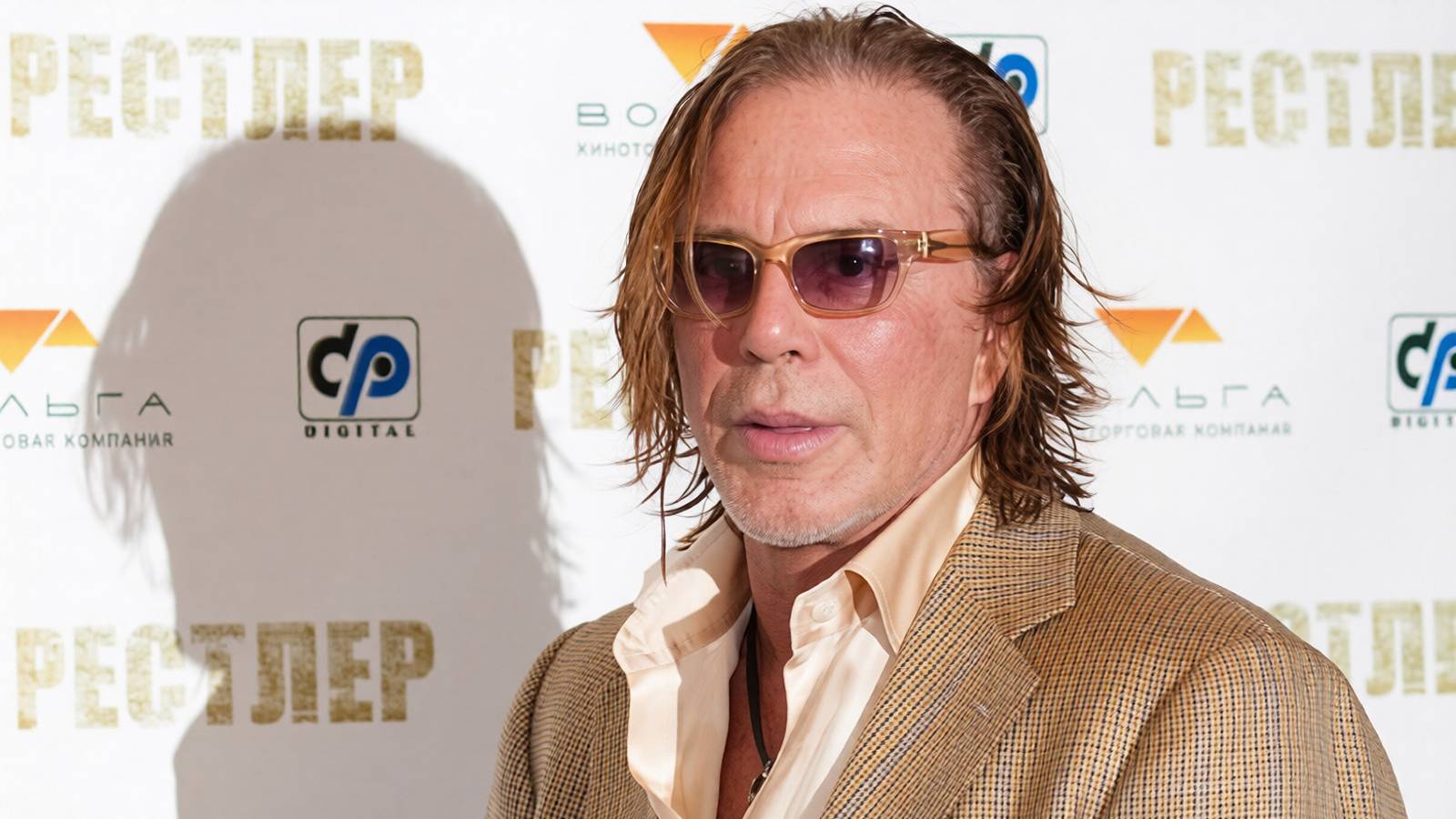
Mickey Rourke Now: The Dramatic Transformation of a Hollywood Legend
From Liberty City to Box Office Stardom
Born in Schenectady, New York, in 1952, Rourke relocated to a rough neighborhood in Liberty City, Florida, after his father left the family when Mickey was six years old. According to an interview with The Guardian cited by Dotyk.cz, Rourke recalled that environment as a place where he had to learn to defend himself, prompting an early dedication to boxing where he compiled an amateur record of 27 victories and 3 losses. After trying his hand at local theater, Rourke secured his first cinematic role in Steven Spielberg’s 1979 war comedy 1941. Reflecting on that early break to Entertainment Weekly, Rourke admitted he was nervous yet recognized it as his opportunity. His major breakout arrived with the 1986 erotic drama 9 and 1/2 Weeks, co-starring Kim Basinger, which propelled him to international recognition as a defining cinematic sex symbol of the decade.
The Career Pivot That Altered a Legacy
At the apex of his 1980s film career, Rourke stepped away from Hollywood to pursue professional boxing in 1991, citing personal struggles and a desire to return to his first athletic love. That athletic pivot carried steep physical consequences. When he attempted to re-enter the film industry, he sought corrective procedures for his facial injuries. In retrospective comments, Rourke expressed deep regret over those surgical attempts, explaining that poor medical interventions compounded the damage over time and subjected him to intense public scrutiny and tabloid ridicule.
The Financial Fallout and Academy Award Redemption
The convergence of physical transformation, professional missteps, and personal struggles with addiction and depression triggered a severe downward spiral. Rourke acknowledged that he lost his home and his industry standing, forcing him to rebuild his life from scratch. That personal turbulence ultimately mirrored his most acclaimed later role. In Darren Aronofsky’s 2008 drama The Wrestler, Rourke portrayed Randy “The Ram” Robinson, a washed-up athlete attempting to reclaim his dignity. The performance earned Rourke an Academy Award nomination and a brief return to critical acclaim. Reflecting on his past behavior, Rourke admitted in source materials that he recognizes his historical shortcomings as a partner and colleague, noting that he no longer concerns himself with public judgment regarding his appearance, focusing instead on internal peace.
