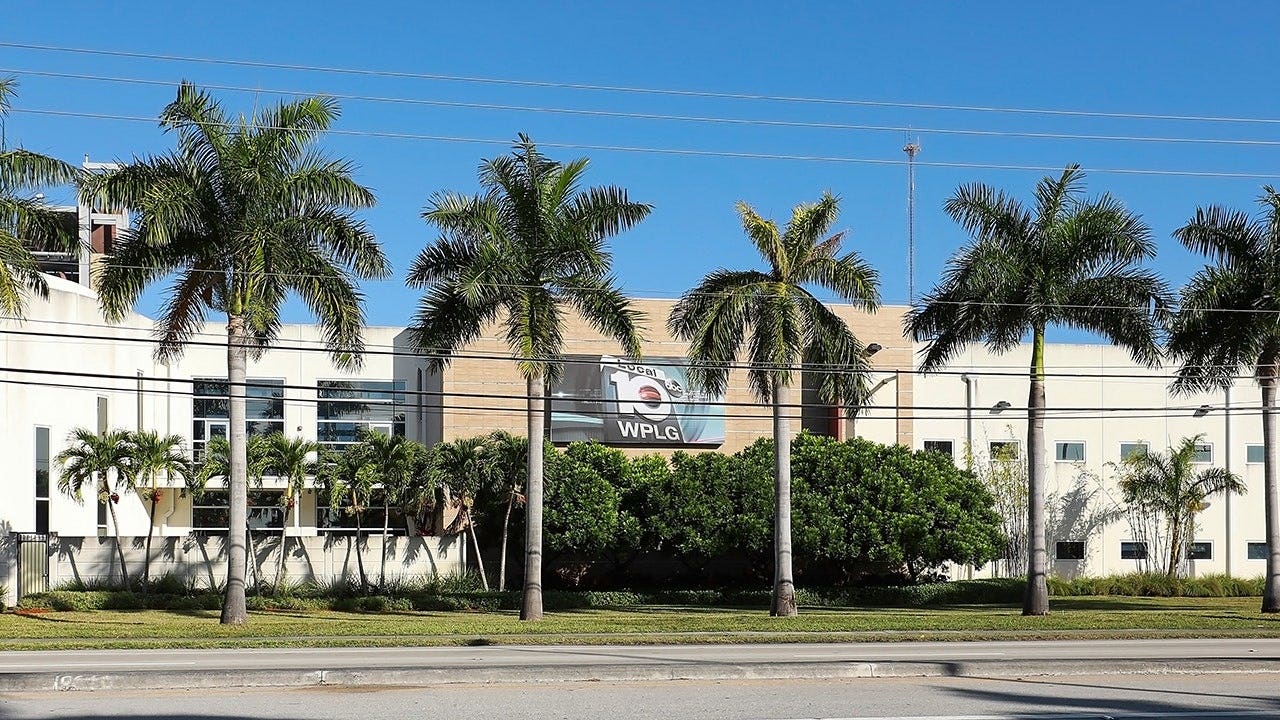
Miami News Director Slams Foolish Nonsense in Social Media Memo
WPLG Vice President of News Bill Pohovey issued an internal memo to Miami newsroom staff demanding an end to “foolish nonsense” on social media to protect journalistic credibility. The directive follows a public debate over Instagram posts by anchor and reporter Jenise Fernandez, though Pohovey maintains the memo was sent many months before the specific photos in question were posted.
The tension at the Miami station highlights a growing friction between the “influencer” content and traditional news standards. In an era where personal branding can eclipse institutional trust, the boundary between a journalist’s private life and their professional persona has become a point of contention for news executives.
Pohovey Targets ‘Foolish Nonsense’ in Newsroom
Bill Pohovey’s internal memo, first reported by FTVLive, explicitly forbids staff from producing “dance videos,” “fashion shows,” or “outfits of the day” that detract from their roles as journalists. The Vice President characterized such content as “foolish nonsense” that fuels the perception of the media as “not serious.”
Pohovey’s most stringent restriction concerns the physical workspace. He stated that staff are not permitted to film social media content inside the station, specifically citing the newsroom and studios as off-limits for background use.
Pohovey wrote in the memo that the likes and follows are not worth eroding the credibility of the staff or the credibility of the news organization.
The Controversy Over Jenise Fernandez’s Fiji Posts
The memo resurfaced in the public eye as Jenise Fernandez, a WPLG anchor and reporter since 2014, shared vacation photos from Fiji on her verified Instagram account. The images, viewed by approximately 28,000 followers, featured Fernandez in a red bikini on a resort boat and at a floating bar.

Fernandez, a former Miss Miami and fourth runner-up in the Miss Florida Pageant, captioned one image, “Now I know what it feels like to be on @cloud9_fiji.”
While some reports indicated the memo was a direct reaction to these posts, Pohovey disputed this timeline in a statement to the New York Post. He clarified that the memo was “not a response to one individual post” and had been circulated “many months ago.”
Pohovey further defended the photos themselves, noting that because the station operates in Florida, beachwear is standard. “These photos were tasteful and completely fine,” he told the Post, emphasizing that the directive does not ban vacation photos or daily life activities.
The ‘Fake News’ Narrative and Institutional Trust
Pohovey’s directive is rooted in a broader fear: the erosion of public trust. According to the memo, the “fake news” label sticks more easily when journalists behave in ways that appear unprofessional. This reflects a struggle within news organizations to balance the need for digital engagement with the requirement for credibility.
The conflict is not unique to Miami.
The disparity in how these posts are viewed—as “tasteful” by a VP but “cringeworthy” in a general sense—shows the line journalists must walk. One person’s personal branding is another executive’s liability.
Comparative View of Newsroom Social Media Policies
The WPLG approach differs from several modern digital-first outlets. However, Pohovey’s stance aligns with a school of thought that prioritizes the institution over the individual.

- The Influencer Model: Encourages “outfits of the day” and behind-the-scenes reels to drive engagement and loyalty.
- The Pohovey Model: Views such content as a distraction that actively damages the credibility of the news organization.
- The Compromise: Allows personal accounts for lifestyle content but prohibits the use of the news set or professional equipment for non-news content.
The ultimate cost of “likes” may be the very authority that allows a journalist to be heard in the first place. If the public ceases to view the messenger as a serious arbiter of truth, the message itself becomes irrelevant.