
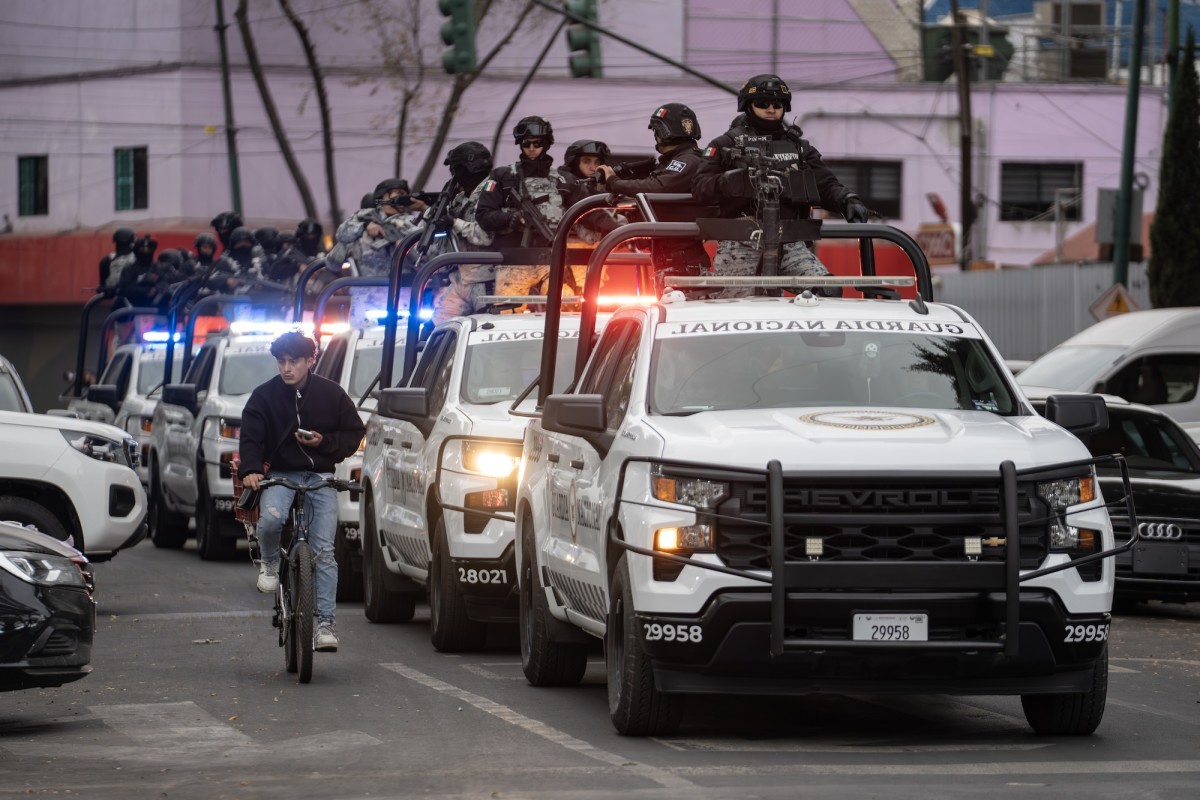
The leader of the Jalisco New Generation Cartel (CJNG), Nemesio Rubén Oseguera Cervantes, known as “El Mencho,” was killed by the Mexican army on Sunday, February 22, 2026, triggering a wave of violence across western Mexico and raising concerns for tourists in popular destinations.
The operation to capture El Mencho unfolded in the town of Tapalpa, in the state of Jalisco, according to Mexico’s Ministry of Defense. He was initially wounded during the raid and died whereas being transported to Mexico City. The death of the cartel boss, described by U.S. Deputy Secretary of State Christopher Landau as “one of the bloodiest and most ruthless drug kingpins,” prompted retaliatory attacks and widespread unrest.
At least 25 members of the National Guard were killed in Jalisco in six separate attacks following the announcement of El Mencho’s death, according to Mexican security officials. The violence extended beyond Jalisco, with reports of burning vehicles and blockades in the states of Michoacán and Guanajuato. Images circulating online showed charred vehicles obstructing roads and convenience stores ablaze.
The CJNG, based in Jalisco, is a major player in the trafficking of fentanyl and other drugs into the United States. The U.S. Government has acknowledged providing intelligence support for the operation that led to El Mencho’s death. White House press secretary Karoline Leavitt stated the U.S. “provided intelligence,” and a U.S. Defense official confirmed the U.S. Military’s involvement through the Joint Interagency Task Force-Counter Cartel, working in conjunction with the Mexican military via the U.S. Northern Command. However, the official emphasized that the operation was “a Mexican military operation, so the success is theirs.”
Increased U.S.-Mexico counter-cartel cooperation, particularly under Mexican President Claudia Sheinbaum, was cited as a key factor in the success of the raid, with intelligence sharing markedly expanded in recent months. No American personnel were reportedly on the ground during the operation.
The violence has prompted travel advisories and concerns for tourists, particularly in areas like Puerto Vallarta. Jesús “Chuy” Salazar, a Baja surf photographer, advised people to “stay place,” noting that schools have been closed and that roads leading to airports and the border appear to be targeted for visibility. A Canadian surfer traveling through Mexico reported that while the situation appeared calmer in La Saladita, south of Puerto Vallarta, businesses in Zihuatanejo had closed early due to unrest. He noted that major highways remained unpredictable.
Former President Trump called on Mexico to increase its efforts against drug cartels following the raid, posting on social media, “Mexico must step up their effort on Cartels and Drugs!”
As of Tuesday, February 24, 2026, the full extent of the cartel’s response and the Mexican government’s strategy for maintaining order remain unclear. The U.S. State Department has not issued a blanket travel ban, but continues to monitor the situation.
