Mexico IMSS Admits Emergency Drug Purchases Amid 94.7% Fill Rate Claim
The Mexican Social Security Institute (IMSS) acknowledged emergency purchases of 5 million medication units and 2.9 million medical supply pieces to address shortages, even as officials reported a 94.7% national prescription fill rate, Reforma reported.
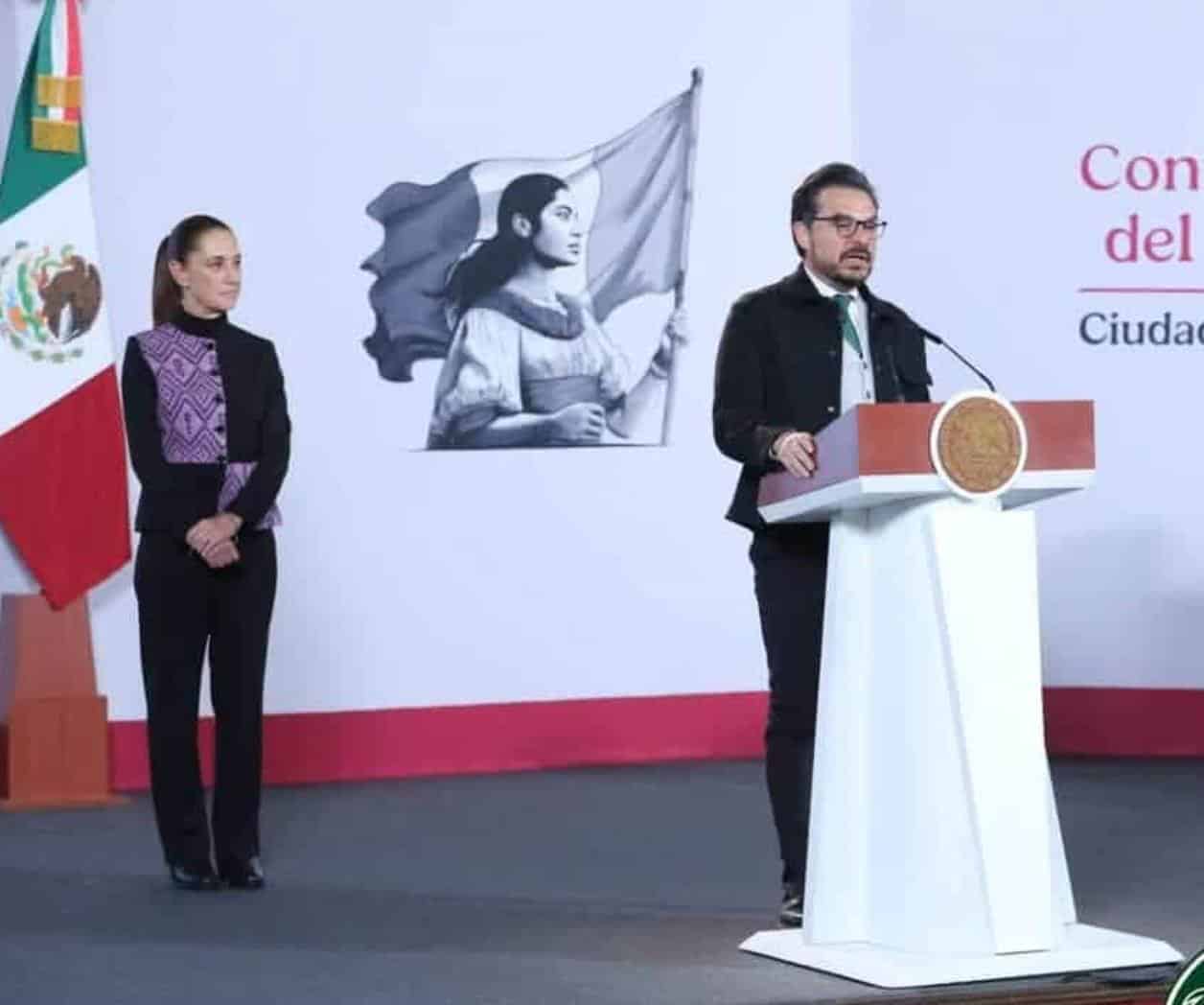
Zoé Robledo Aburto, disclosed the emergency procurements Monday during President Claudia Sheinbaum Pardo’s morning press conference while presenting a 28-day progress report on the institute’s “12 actions in 120 days” plan, according to Gob MX. The extraordinary purchases targeted diabetes and hypertension drugs — the two chronic conditions with highest demand — along with gauze, syringes, solutions and other basic hospital materials, Robledo said.
“Also we made an emergency purchase of 5 million pieces of medications, mainly for the most common ailments, diabetes and hypertension,” Robledo told the briefing. He added that the institute bought 2.9 million pieces of healing material to improve supply on hospital floors.
The admission contrasts with the official fill-rate figure. El Imparcial said that the simultaneous claims — emergency buying to cover critical gaps and a 94.7% national fill rate — reflect two coexisting realities in the public health system. The emergency acquisitions were triggered by protests over shortages, the outlet reported.
After 28 days, the IMSS reported basifying 4,119 workers, reaching 36% of its target, and hiring 332 of 2,500 planned specialists, or 13% of that goal, according to the federal government’s official summary. The call for specialists remains open. Seventy-four of 125 high-technology units are operating, including eight CT scanners, two linear accelerators and 63 mammography machines that have provided about 57,000 exams, Milenio reported. New medical equipment, including ultrasound machines, electrocardiographs and vital signs monitors, reached 35% deployment.

Surgical backlog reduction reached 10,170 procedures during nights and weekends toward a target of 31,000. Specialty consultations rose 17% in November and are slated for a 20% increase in December versus the prior year. A text-message service for families of hospitalized patients has sent 215,000 messages to 17,094 users, the IMSS said.
ISSSTE Director General Martí Batres Guadarrama reported an overall 38.8% advance on its parallel 120-day plan. Inauguration of works stands at 91%, new works at 20%, and 100 new ISSSTE-SUS consulting rooms at 30%. Priority surgeries increased 34% and telemedicine 32%, while medical and nursing hiring reached 6% ahead of an intensive phase set for January and February 2027, Imagen Radio reported.
IMSS-Bienestar Director General Alejandro Svarch Pérez said his agency distributed 13.3 million medication pieces in the period and advanced digitalization of the supply chain with Birmex. Certeza laboral reached 30%, specialist and nurse hiring 20%, high-tech equipment 25%, and daily-use equipment 20%. Maintenance and new hospitals each stood at 20%, while digital medical records reached 40% and the “Todo en tu Clínica” program 60%, the government summary showed.
Sheinbaum said a Health Sector Digital Transformation Advisory Council will present an automated distribution process for IMSS-Bienestar medications on Dec, according to Reforma. 1, aimed at strengthening “Las Rutas de la Salud.”

Additional health system measures
The IMSS salary increase of 8% reached 100% compliance, benefiting 499,158 workers and 370,537 retirees. The institute also acquired 6,194 hospital beds, 5,851 stretchers and 1,321 new reclining chairs for emergency areas, with delivery starting in December. Maintenance crews completed 381 repairs at medical units.
IMSS-Bienestar is preparing positions for more than 117,000 workers. The institute inaugurated the Comprehensive Renal Health and Primary Care Center in Toluca, State of Mexico. The IMSS also delivered 341 positions for the State of Mexico at Hospital 200 in Tecámac.
Workforce basification details
At the president’s direct question about how many beneficiaries were already providing services on a casual basis at the institution, Jorge Gaviño detailed that “approximately 60 percent” corresponds to casual personnel from schemes 08 and 02 who are now being incorporated permanently into the institute. The official explained that a good part of the beneficiaries had worked with temporary contracts identified within the institute as 08, 012 and 02.
Economic context
Sheinbaum highlighted INEGI data placing Gross Domestic Product (GDP) growth at 3.3% year-on-year and 0.0% quarterly during the July-September 2026 period.