
Mexican Registry of Rare Diseases Aims to Reduce Diagnostic Delays and Improve Patient Care
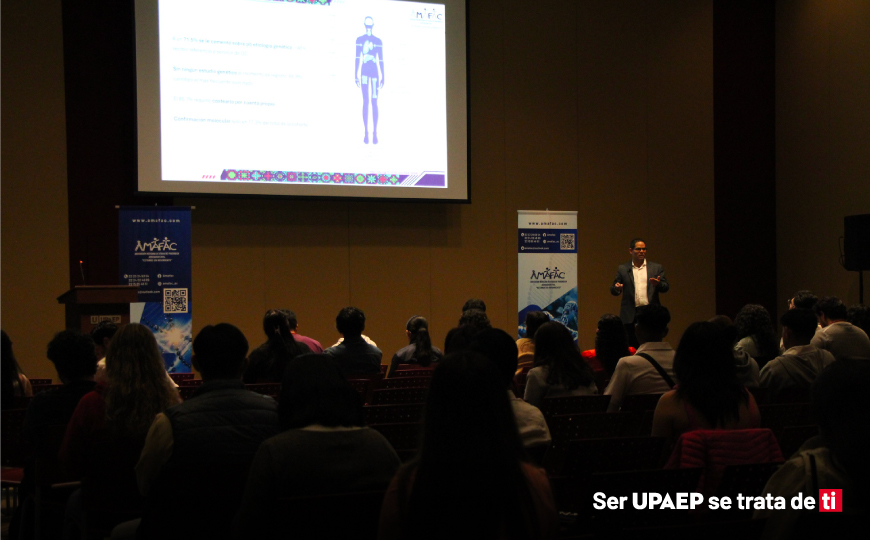
At the 1st National Congress of Rare Diseases and Disability 2025, Dr. José Alfredo Ramírez González, a specialist in medical genetics and translational research from UNAM and IPN, presented the Mexican Registry of Rare Diseases (REMEXER) to medical students. REMEXER is a collaborative network established in 2020 with the goal of increasing knowledge, research, and access to molecular diagnosis for rare diseases (RD) of genetic origin in Mexico.
Dr. Ramírez highlighted REMEXER’s dual focus: raising awareness of various conditions within both scientific and public spheres, and conducting genomic sequencing programs to study neurodevelopmental and other genetic diseases. The registry itself aims to characterize the landscape of RD in Mexico, documenting the number of patients, diagnostic rates, financial burdens, and challenges faced by individuals and families.
Data collected during the registry’s initial phase (February 2023 – February 2024) revealed a important diagnostic delay, with patients averaging eight years to receive a clinical diagnosis. Of the 144 patient records collected, 85% received a clinical diagnosis, with the majority of registered patients being adult women. The registry also highlighted the financial strain on families, with 85.7% bearing the cost of treatment themselves.
Dr. ramírez emphasized the crucial role of physicians in navigating the complexities of RD, urging students to proactively “educate their doctors” as thorough coverage of rare diseases is limited in medical curricula. He stressed the importance of open communication regarding treatment options, even if expensive, empowering families to make informed decisions.
Looking forward, REMEXER aims to analyze collected data to identify trends in access to diagnosis, care, and treatment, ultimately improving health service planning. The ultimate goal is to reduce the “prolonged diagnostic odyssey” experienced by patients, address associated disabilities, advocate for financial support and improved health policies, and ensure access to necessary, yet often unavailable or expensive, treatments.crucially, Dr. Ramírez underscored the need for continuous education and awareness of rare diseases among health professionals – from undergraduate students through continuing medical education - to improve patient outcomes.
