Mexican Bishops Mark Cristero Centenary with Call for Reconciliation Over Division
Mexican bishops are calling for the memory of the 1926 Cristero uprising to serve as a foundation for national reconciliation, rather than a catalyst for further division, according to Fides.
- The Mexican Episcopal Conference released a pastoral letter on November 21 marking the centennial of the Cristero resistance.
- An official Jubilee Year, granted by Pope Leo XIV, began on November 22 to honor the historical period.
- Bishops explicitly rejected armed violence as a modern solution to current national issues like corruption and poverty.
Seeking Peace Through Historical Memory
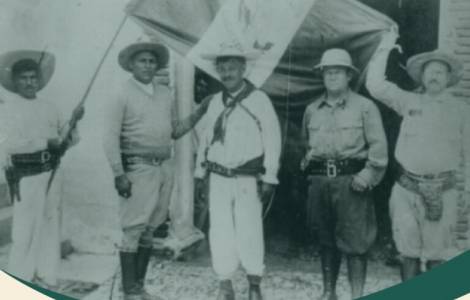
One hundred years after the start of the “Cristiada,” church leaders are looking to the past to address modern instability. According to fides.org, the bishops issued a 43-page pastoral letter titled “¡Viva Cristo Rey! On their faith, our memory; on their witness, our mission,” which examines the rural resistance against the anticatholic policies of the government under General Plutarco Elías Calles.
The conflict, which triggered a three-year war after the “Calles Law” took effect on July 31, 1926, remains a sensitive subject. The bishops stated in the document that their goal is not to glorify armed struggle. “We do not celebrate the armed conflict that gave rise to this religious conflict and we do not seek revenge,” they wrote.
A Legacy of Silent Resistance
The episcopal letter emphasizes that the Cristero movement was not initially an armed insurrection, but rather a progression of petitions and peaceful protests that eventually fractured. The bishops highlight the role of laypeople who maintained religious life in secret once churches were closed.
“The Church survived not only because there were priests willing to stay, but because there were people capable of assuming the responsibility of their own faith,” the document said. The bishops specifically credited women—mothers and grandmothers—for preserving the faith through clandestine prayer and support networks during the period of persecution.
Church Uses Martyr Memory to Bridge Divides
The church’s current focus is on using this historical reflection to bridge modern divides, including violence, forced disappearances, and social polarization. This effort aligns with the National Dialogue for Peace, an initiative launched in April 2023 by the Episcopal Conference and the Jesuits to coordinate local peace-building efforts.
The bishops argue that the church must act as a force for unity in the face of ongoing national struggles.
“A Church that keeps the memory of its martyrs is called to be a Church of reconciliation,” the letter asserts.
The path forward, according to the bishops, requires a shift away from a static view of history. “We are not betting on a memory locked in the past, but on a living memory, capable of illuminating the present and opening the way to a new future,” the bishops concluded.