
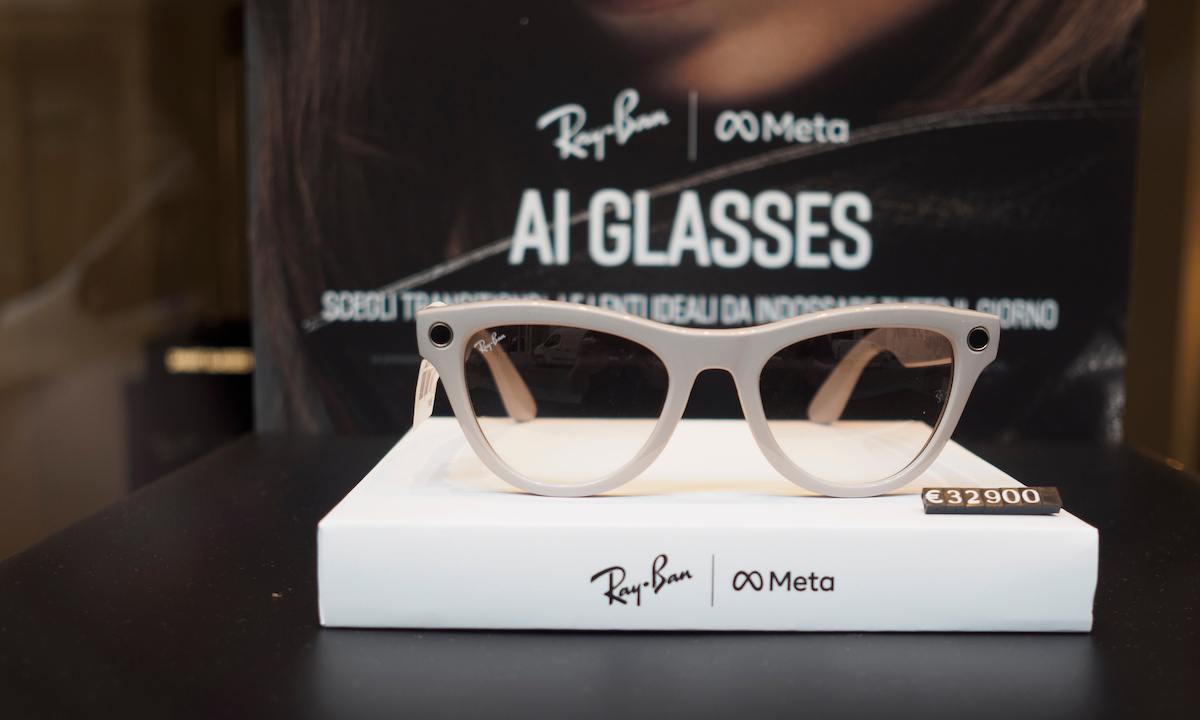
Meta Aims to Share Success Stories With Wearables Retailers
Meta is strategically leveraging its Meta Lab retail stores – currently in Honolulu, Burlingame, Las Vegas, Los Angeles, and New York City – as real-world R&D centers to refine the customer experience for its AI-powered smart glasses and VR headsets. This move aims to translate in-store learnings into improved retail strategies for its partners, addressing key challenges in the nascent wearables market, particularly around user engagement and product demonstration. The company’s commitment is underscored by a new 10-year lease on Fifth Avenue in New York City.
The core problem here isn’t simply selling hardware; it’s establishing a viable discovery economy around wearables. Meta’s initial struggles with international smartglass launches, paused due to “unprecedented demand and inventory,” highlight a critical supply chain vulnerability. But more fundamentally, the company is grappling with how to move beyond early adopter enthusiasm to mainstream adoption. This requires a deep understanding of how consumers *interact* with these technologies, something a purely online experience can’t fully deliver. Retailers, lacking this granular data, are facing significant risk in inventory management and marketing spend. They need sophisticated supply chain optimization solutions to navigate these volatile demand patterns.
Decoding the Meta Lab Experiment: Beyond the Demo
Nicola Mendelsohn, Head of Global Business Group at Meta, articulated the strategy succinctly at Shoptalk: “We want to bring people together not just to browse but to participate.” This isn’t about creating showrooms; it’s about building immersive environments where potential customers can genuinely experience the utility of AI and VR. The company is meticulously tracking what draws customers in, identifying confusing layouts, and iterating on the retail experience in real-time. This data-driven approach is a departure from traditional consumer electronics retail, where product placement and marketing campaigns often rely on broad assumptions.

The implications for the broader retail landscape are substantial. Meta’s success – or failure – in this endeavor will serve as a bellwether for the entire wearables category. If Meta can demonstrate a clear path to profitability and sustained consumer interest, it will incentivize other tech companies to invest in similar experiential retail models. Conversely, a lackluster performance could reinforce the perception that wearables are a niche market with limited long-term potential.
The Inventory Conundrum and the Rise of Agile Logistics
The paused international launch of Meta’s smartglasses, as reported in January, wasn’t merely a logistical hiccup. It exposed a fundamental tension between hype and scalability. While pre-orders exceeded expectations, Meta’s supply chain couldn’t retain pace. This isn’t unique to Meta. The entire consumer electronics industry is grappling with supply chain disruptions, exacerbated by geopolitical instability and fluctuating raw material costs. According to a recent report by Gartner, supply chain resilience is now the top priority for CIOs across all industries.
“The biggest challenge isn’t just securing components; it’s predicting demand accurately enough to avoid both stockouts and excess inventory. The old forecasting models simply aren’t equipped to handle the volatility we’re seeing.”
— Dr. Anya Sharma, Lead Analyst, Global Tech Insights
This demand forecasting challenge is particularly acute for innovative products like smartglasses and VR headsets, where consumer preferences are still evolving. Retailers need access to real-time data analytics and predictive modeling tools to optimize their inventory levels and minimize the risk of obsolescence. This is where specialized data analytics and business intelligence firms become invaluable. They can provide retailers with the insights they need to make informed decisions about product sourcing, pricing, and promotion.
Financial Implications: Beyond the Headline Numbers
Meta’s investment in physical retail is a significant departure from its historical focus on digital advertising. While the company hasn’t disclosed the specific financial performance of its Meta Lab stores, analysts estimate that the cost of operating these locations is substantial. The Fifth Avenue lease alone is likely to cost Meta millions of dollars per year. Yet, the company argues that the long-term benefits – including improved product development, enhanced brand awareness, and increased sales – outweigh the short-term costs.
The key metric to watch is the return on investment (ROI) of these retail locations. Meta needs to demonstrate that the incremental revenue generated by the stores exceeds the operating expenses. This will require a careful analysis of foot traffic, conversion rates, and average transaction values. Meta needs to assess the impact of the retail experience on online sales. If the stores can effectively drive traffic to Meta’s website and app, the ROI will be significantly higher.
The Legal Landscape of Experiential Retail
Expanding physical retail presence also introduces new legal and compliance challenges. Data privacy regulations, consumer protection laws, and accessibility requirements all need to be carefully considered. Retailers operating in multiple jurisdictions must navigate a complex web of regulations. This is where specialized corporate legal counsel with expertise in retail law becomes essential. They can help retailers ensure compliance with all applicable laws and regulations, minimizing the risk of costly fines and lawsuits.
The Future of Wearables Retail: A Hybrid Approach
Meta’s strategy suggests that the future of wearables retail will be a hybrid model, blending the convenience of online shopping with the immersive experience of physical stores. Retailers will need to invest in both digital and physical channels to reach a wider audience and cater to diverse consumer preferences. The key will be to create a seamless omnichannel experience, where customers can easily transition between online and offline touchpoints.
The success of this hybrid model will depend on the ability of retailers to leverage data analytics and artificial intelligence to personalize the customer experience. By understanding individual consumer preferences and behaviors, retailers can deliver targeted recommendations, customized promotions, and tailored product demonstrations. This level of personalization will be crucial for driving sales and building customer loyalty.
Meta’s experiment is a high-stakes gamble. The company is betting that it can crack the code of wearables retail and unlock a new era of growth. The outcome will have far-reaching implications for the entire tech industry. As the wearables market matures, the demand for specialized B2B services – from supply chain optimization to data analytics to legal counsel – will only increase. The World Today News Directory is your trusted resource for identifying and vetting the leading providers in these critical areas. Don’t navigate this evolving landscape alone; connect with proven partners who can help you thrive in the discovery economy.