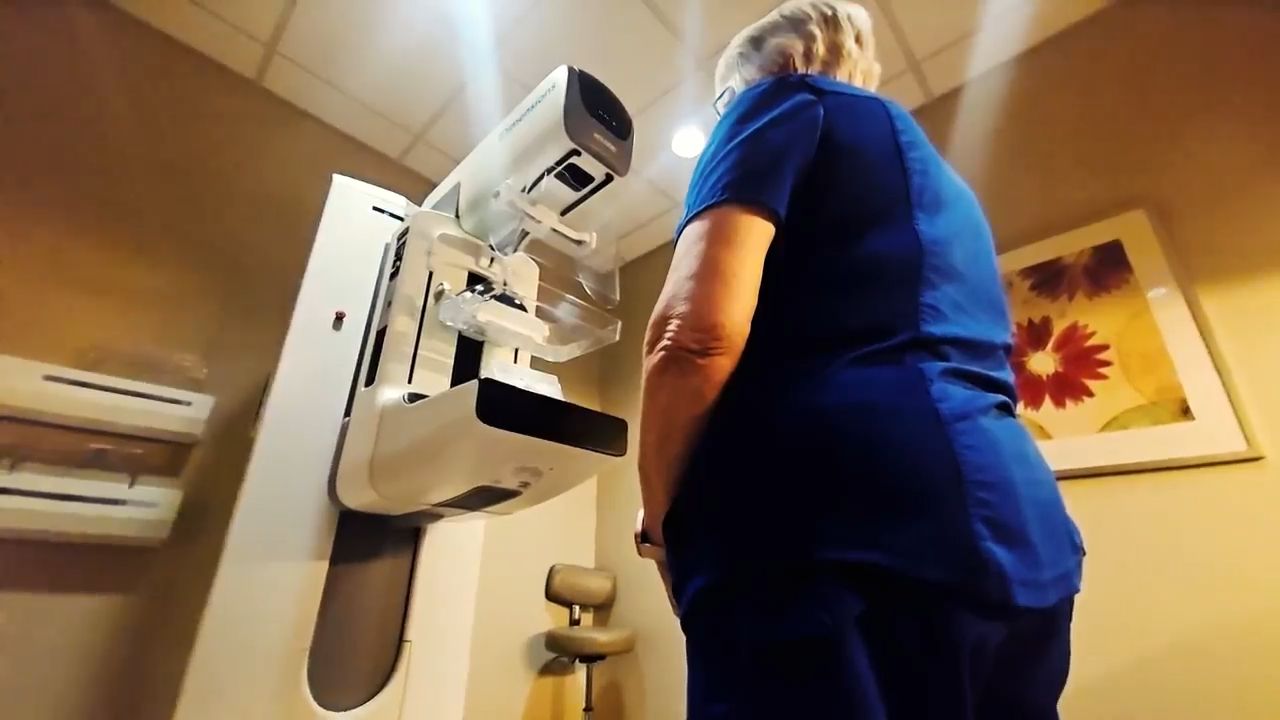
Meriter Employee Shares Cancer Survivor Story to Encourage Mammograms
“The advantage of working in a clinic is when you were due for something, you just come in and tell someone, ‘I need an order for a mammogram,’” Nola Carrel said as she shared her personal diagnosis with patients at a Monona clinic during Breast Cancer Awareness Month.
-
Key Clinical Takeaways:
- Routine screening found Stage 1 breast cancer in a Meriter Hospital Clinic medical assistant who experienced no prior symptoms, lumps, or pain.
- Early detection allowed the patient to avoid chemotherapy and complete treatment through five radiation sessions.
- Clinic staff now use personal survivor experiences to encourage hesitant patients to complete their mammograms on-site.
Monona Clinic Employee Uses Personal Diagnosis to Shift Patient Screening Habits
As the first medical assistant hired for family medicine at Monona’s Meriter Hospital Clinic, Carrel maintained regular health checks simply due to her workplace environment. A routine mammogram a few years prior detected her cancer before any physical signs appeared. Because she felt and looked entirely healthy, the diagnosis felt surreal. Catching the disease at Stage 1 enabled her to bypass chemotherapy and undergo just five radiation treatments.
Now, when patients hesitate or decline to schedule a mammogram, Carrel uses her own experience to encourage them to complete the screening while they are already in the building. Scheduler Amy Metzler noted that Carrel serves as an invaluable resource for both patients and staff throughout the facility. While acknowledging that taking time off work for an appointment presents an inconvenience, Carrel points out that an afternoon spent securing a clean bill of health prevents far more disruptive interventions later.

Young Mother Faces Aggressive Diagnosis Amid National Rise in Under-50 Cases
A separate case highlights the expanding demographic impact of the disease. Chelsea Piazza Willsey discovered a lump in her left breast by accident in 2024 at age 37. Her diagnosis aligns with broader epidemiological findings: the rate of women under 50 diagnosed with breast cancer increased by 1.4 percent each year in the United States between 2012 and 2022, according to data cited from the Breast Cancer Research Foundation.
Willsey’s diagnostic timeline moved swiftly after she found the mass. Five days after discovering it, she consulted her OB-GYN, who immediately ordered a same-day mammogram and ultrasound, followed by a biopsy five days later. Confirmed as stage two, hormone positive, and HER2 negative, her rigorous treatment regimen included a double mastectomy, seven rounds of chemotherapy, 28 rounds of radiation, and a subsequent hysterectomy. In March 2025, she completed her active treatments and rang the bell to mark the milestone.
Willsey Finds Support Through Mentoring and Writing
Transitioning out of active care introduced new psychological hurdles for Willsey. The immediate joy of finishing treatment gradually gave way to the realization that returning to a pre-diagnosis normal was impossible. To process this transition, she joined a community of survivors and became a mentor with To Life!, a nonprofit breast cancer resource center located in the Capital Region. She also authored a published book detailing her medical journey to help her children and caregivers better understand the realities of the disease.
For individuals currently facing a new diagnosis or undergoing treatment, Willsey emphasizes that a full and joyful life remains possible. She also advises women who have not yet reached the age for routine screenings to perform regular self-examinations and review their family health history to identify potential elevated risks.
Disclaimer: The information provided in this article is for educational and scientific communication purposes only and does not constitute medical advice. Always consult with a qualified healthcare provider regarding any medical condition, diagnosis, or treatment plan.