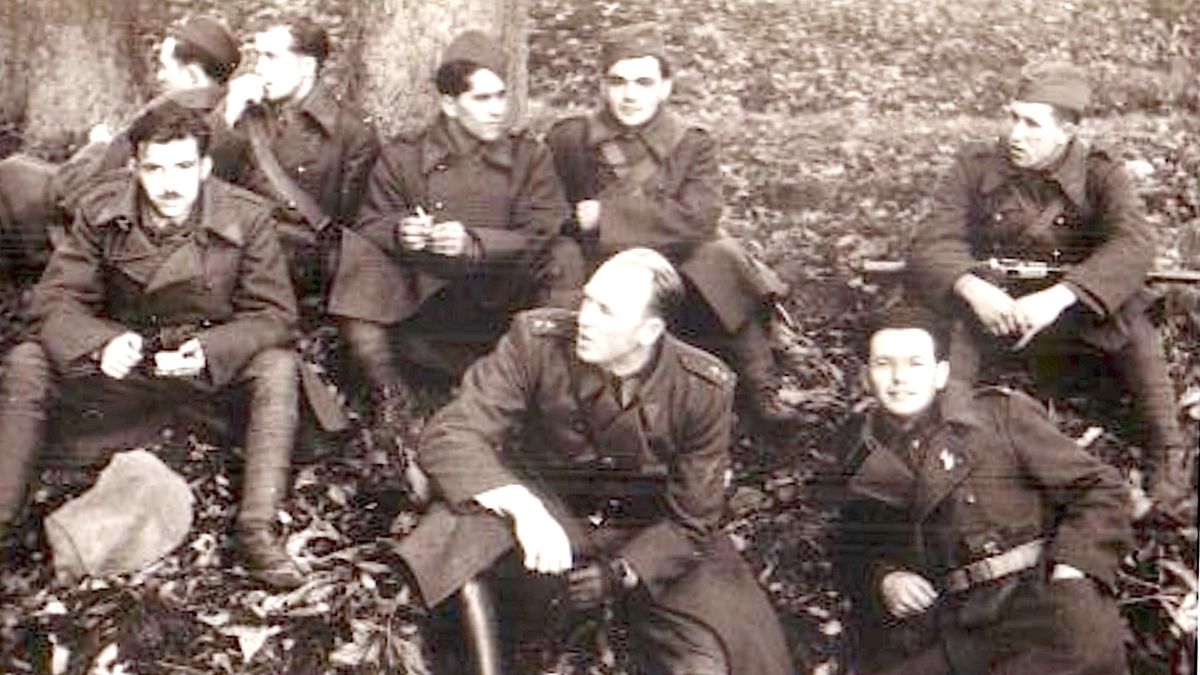
Memories of the 1938 Czechoslovak Mobilization: Courage and Farewell
When the Czechoslovak government ordered a general mobilization on September 23, 1938, in response to Nazi German aggression, the initial public reaction among young recruits was characterized by high spirits and defiant humor, quickly giving way to profound grief and widespread anxiety as families faced the grim reality of impending war.
The mobilization called 18 age cohorts to arms, assembling roughly 1,100,000 soldiers across 37 infantry divisions and four fast divisions. These forces possessed 350 tanks, 950 aircraft, and 5,000 artillery pieces to defend the young republic established just two decades prior in 1918. Despite intense pressure from Nazi Germany, which demanded the cession of all border regions with more than 50 percent German inhabitants, and the diplomatic maneuvering of France and Great Britain urging compliance, domestic resolve remained fierce.
Defiant Spirit and Humor Among Young Recruits
Eduard Marek, who was 21 years old at the time and had served as a volunteer at the aviation regiment in Hradec Králové since 1936, recalled the prevailing atmosphere.
“The mood was great. At twenty, a person is enthusiastic. We were joking: ‘See you in Berlin on Hitlerplatz!'” Marek remembered.
Public support manifested in spontaneous ways along roadsides and railway stations. Children poured freshly ripened plums into military trucks, while local women cooked large pots of soup and sauces when field kitchens fell behind schedule. Ervín Sedláček noted that girls in Běchovicích, a village outside Prague, shouted encouragement to departing soldiers, calling out, “Bring me Hitler’s ear!”
Civilians integrated themselves into the mobilization effort wherever possible. School-aged children, mindful of poison gas attacks from the First World War, practiced using protective equipment. Anita Franková recalled learning to put on gas masks equipped with hoses, describing them as terrifying and strange. Meanwhile, older teenagers trained through scouting organizations.
Tears and Quiet Resolve Across Communities
Beneath the surface bravado, however, deep sorrow gripped the civilian population. Ludmila Sochorová, who experienced the mobilization as a four-year-old child in Bohdalov on the Vysočina highlands, observed that the entire town was awake and gathered in public spaces. “Nobody was laughing or rejoicing; on the contrary, people were crying,” Sochorová said, describing women wringing their hands and holding small children as they bid farewell to their loved ones.
Similar scenes unfolded in major urban centers. Kamila Čepeláková, then seven years old in Brno, remembered men looking pale yet entirely disciplined as they reported to assembly points while women quietly wiped their eyes with handkerchiefs. Rudolf Žák, a first-grader in Kolovrati near Prague, walked with his mother to the railway station to accompany his father. His mother wept, having lost both her father and brother in the First World War, while an older passenger looked out a train window and offered a grim prediction: “Lady, don’t cry. Everyone will abandon us and they’ll have to call off this circus anyway.”
Journalists and eyewitnesses captured the chaotic yet orderly rush to the front. Marie Ustohalová, working as a journalist and living in the Women’s Dormitories in Smíchov, received constant phone calls from friends shouting, “Hello, hello, keep your fingers crossed for us, hold out, we are going to the front.” Young men rushed to the dormitories with suitcases for hasty farewells.
The Collapse of Defense and the Aftermath
The military readiness, which included participation from roughly 40 percent of Sudeten Germans despite Konrad Henlein’s orders and Nazi propaganda, was ultimately dismantled by political decisions.

The rapid descent from enthusiastic mobilization to the abandonment of the frontier territories left an indelible mark on the generation that lived through September 1938. The emotional weight of those days—balancing a fierce desire to protect a hard-won independence against the harsh geopolitical isolation imposed by former allies—remains a defining chapter in the historical memory of the nation.